


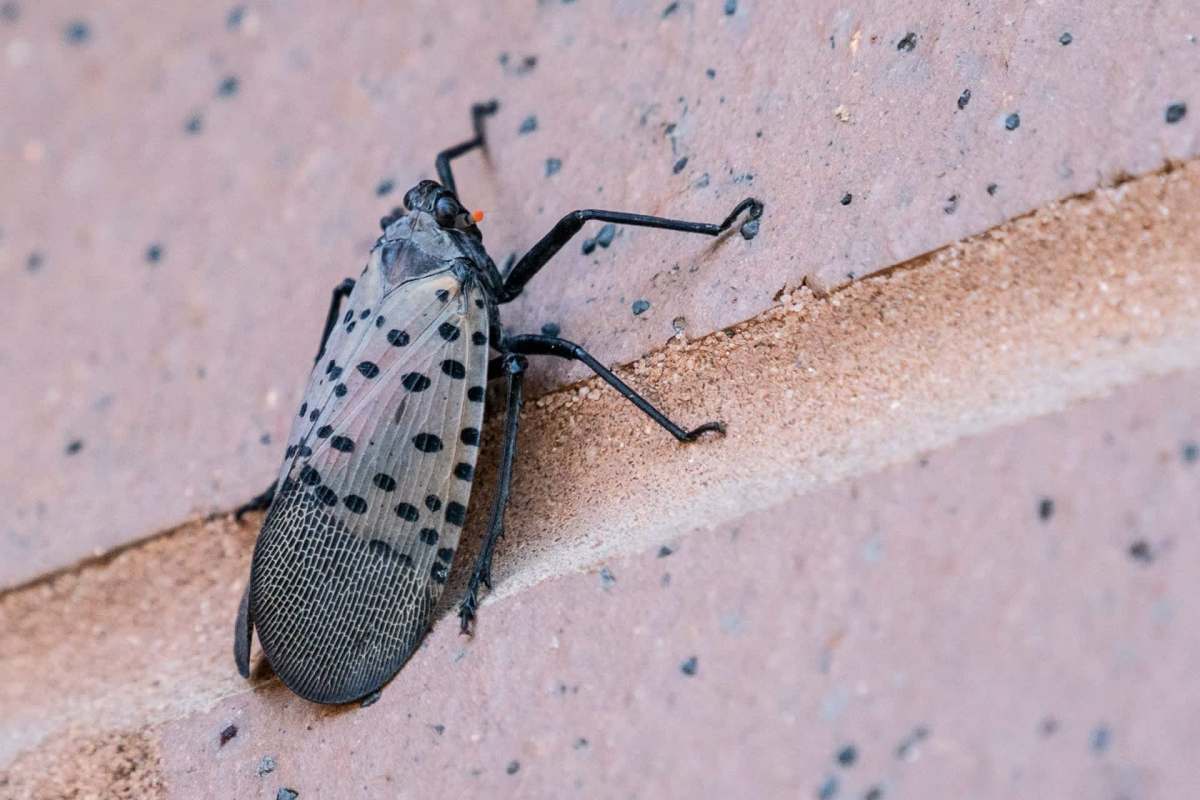
A short first-person TikTok is making an invasive-species warning feel more immediate. New York-based creator maddy (@nosidamwoknes) has apparently adopted a near-daily ritual of hunting for spotted lanternflies.
Here's what to know
Shot from the creator's own viewpoint, the TikTok video shows a familiar routine of hurrying after spotted lanternflies and stomping them.
@nosidamwoknes me chasing them is a daily occurrence #fyp #spottedlanternflies #invasive #invasivespecies ♬ original sound - maddy
Making Maddy's handiwork (or more accurately, footwork) more impressive is that the creator does the damage in heels.
"They have no chance under your nice shoes," a user commented.
In places where these invasive insects have spread, residents are often told to destroy them whenever they are seen. So Maddy's impressive efficiency is actually encouraged and potentially helping in a small way.
Spotted lanternflies are invasive planthoppers native to Asia. In the United States, they are known to damage plants, which can especially do damage to orchards and vineyards.
TCD Picks » Quince Spotlight
💡These best-sellers from Quince deliver affordable, sustainable luxury for all




"Love the crunch sound - good shoes!" a user exclaimed.
More background
The spotted lanternfly has spread widely enough that agriculture departments and extension offices issue regular guidance on how to identify, report, and destroy the insects.
Large infestations can stress plants, reduce crop productivity, and create messy outdoor conditions around homes, decks, patios, and vehicles. Even though the bugs are not known to bite people, their sheer numbers can make outdoor spaces frustrating to use.
This isn't Maddy's first rodeo in this space.
"The greatest lantern fly squisher is back!" a user wrote. "Thank you so much"
What can be done?
In areas where spotted lanternflies are established, state agriculture agencies and cooperative extension offices commonly advise residents to learn the insect's life stages, destroy egg masses, and kill adults when local guidance recommends it.
They also commonly advise checking cars, lawn furniture, grills, firewood, and outdoor gear before traveling, since the insects and their egg masses can hitch rides to new places. Reporting sightings in places where they are not yet established can also help officials respond more quickly.
Regional advice may also include monitoring vulnerable plants and using traps or treatments. Because recommendations can vary by state, official local resources are usually the best place to start.

Get TCD's free newsletters for easy tips, smart advice, and a chance to earn $5,000 toward home upgrades. To see more stories like this one, change your Google preferences here.







