


Less comfortable summers may be only one effect of warmer weather in North Carolina.
Experts say the higher temperatures could also make it easier for destructive invasive insects to survive, reproduce, and move into new areas. The plants they feed on may also be more vulnerable to attacks.
What's happening?
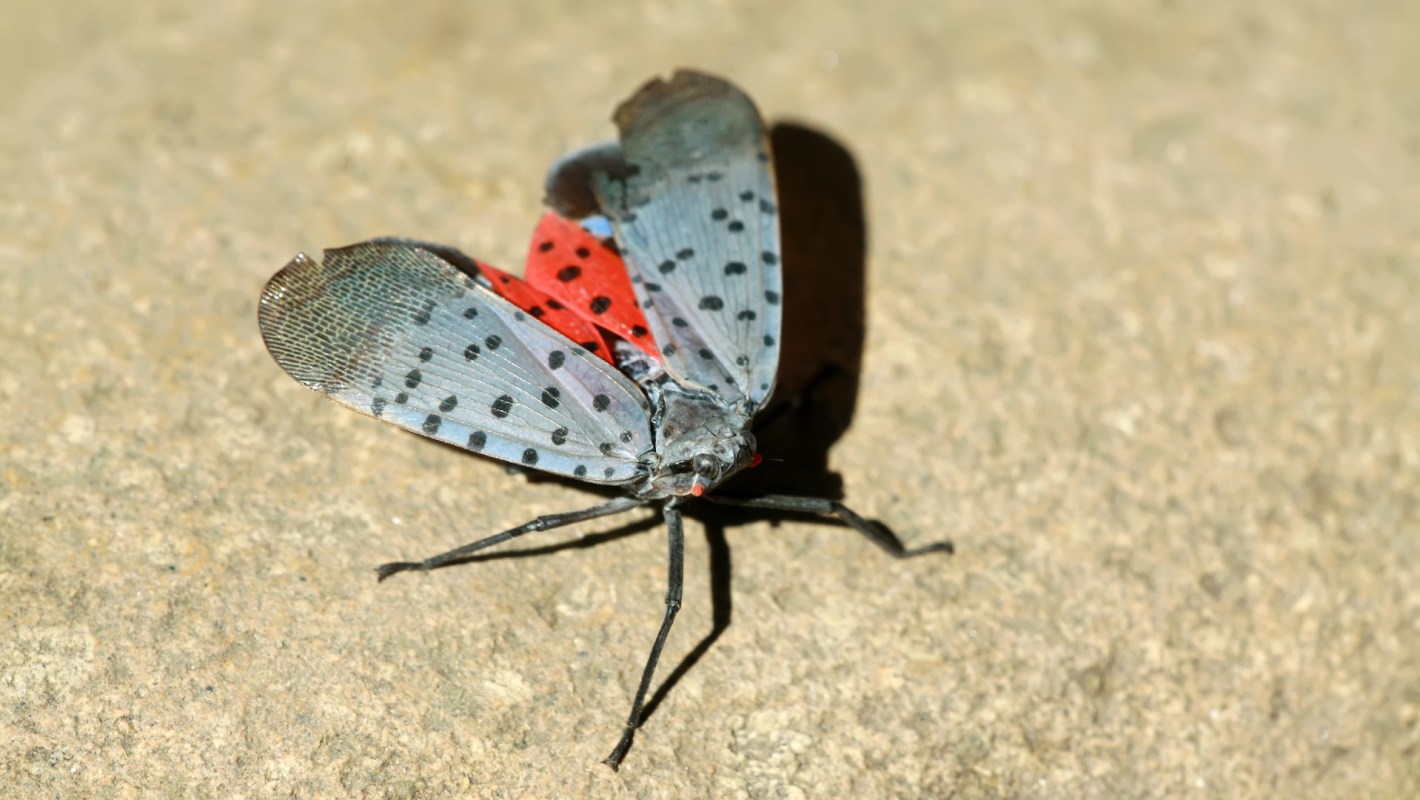
Kelly Oten, an assistant professor at North Carolina State University and an extension specialist in forest health, told WWAY that temperature directly affects how quickly invasive insects, such as spotted lanternflies, mature and spread.
Oten explained to the outlet that, "Insects in general they are cold blooded, so their development is completely dependent on the temperature around them. So, what that means is when it's warmer outside, your insect will likely develop at a faster rate."
Unfortunately, WWAY also reported that the spotted lanternfly, first identified in North Carolina in 2022, is among the invasive insects now present in the state. The pest feeds on more than 100 plant species, including grapevines and common landscaping plants.
The insect can become a major nuisance around homes, farms, and businesses. One Pennsylvania State University estimate claimed that these insects are so damaging to agricultural industries that they could cost Pennsylvania roughly $324 million every year.
TCD Picks » Quince Spotlight
💡These best-sellers from Quince deliver affordable, sustainable luxury for all




And after feeding, spotted lanternflies excrete honeydew, which attracts wasps, making their presence even more alarming.
Why does it matter?
In addition to the spotted lanternfly, animal experts across North Carolina are also concerned about the invasive Emerald Ash Borer, as WWAY reported. Its larvae burrow beneath the bark of ash trees and disrupt the movement of water and nutrients, and more than 150 million ash trees across North America have been killed due to them, per WWAY.
But beyond warmer temperatures, Oten told the outlet that drought, extreme heat, storms, and flooding, all impacts of our warming climate, can stress trees and weaken their natural defenses.
"If there's stress, then one, they're giving off attractive signals to pests, so they are going to be more attracted. Insects really want to attack trees that are weaker naturally, and they are unable to defend themselves as well," Oten explained to WWAY.

Get TCD's free newsletters for easy tips, smart advice, and a chance to earn $5,000 toward home upgrades. To see more stories like this one, change your Google preferences here.






