


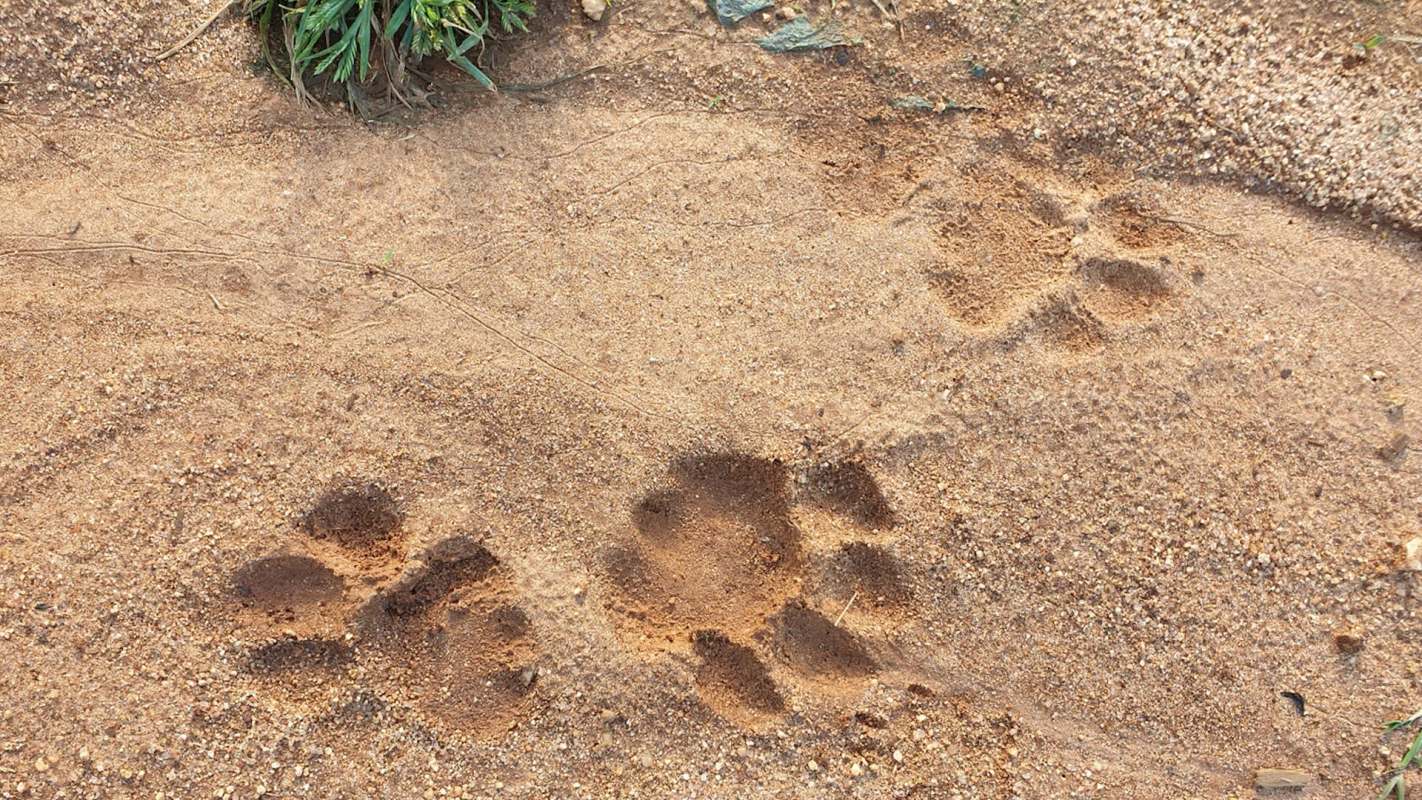
A viral video of an Asiatic lion calmly walking through one of India's most sacred pilgrimage sites has sparked an online conversation.
While the moment appears peaceful, conservation experts say it reflects a growing problem: wild animals are increasingly being pushed into human spaces as their natural habitats shrink.
What's happening?
The video, shared on X by Rohan (@Rohan_Choksi), shows an Asiatic lion strolling past pilgrims on the stone steps of Shatrunjaya Hill in Palitana, Gujarat — a major Jain pilgrimage destination that attracts more than half a million visitors each year. As devotees chant prayers, the lion appears unfazed by the crowd.
Lions 🦁 are everywhere in Gujarat. This is at our Jain tirth Palitana. 😭 pic.twitter.com/jMIDbkRPgm
— Rohan (@Rohan_Choksi) December 22, 2025
According to the Free Press Journal, officials said this was the second lion sighting in the area in the past two months. Forest authorities temporarily halted pilgrim movement and advised visitors to remain calm, avoid sudden movements, and refrain from filming wildlife.
In a separate but similar incident, Republic World (@RepublicWorld) shared a video of a lion entering a home in Gujarat's Amreli district, climbing onto a kitchen wall and peering inside. The footage underscores that these encounters aren't limited to tourist sites.
Why is this animal encounter concerning?
As human development expands and tourism grows around forested and culturally significant areas, animals are losing access to food, water, and safe territory.
Rising global temperatures, shifting rainfall patterns, and prolonged dry seasons are placing additional stress on ecosystems.
A 2024 BBC analysis on human-wildlife conflict explained that animals often enter populated areas not out of aggression, but due to resource scarcity and shrinking habitat.
While the Palitana lion appeared calm, such encounters can quickly become dangerous for both people and animals.
What can be done about human-wildlife encounters?
India has made progress in Asiatic lion conservation, with protected areas and population monitoring helping numbers rebound. However, experts stress that long-term success depends on preserving connected habitats beyond designated reserves.
TCD Picks » Quince Spotlight
💡These best-sellers from Quince deliver affordable, sustainable luxury for all




Efforts such as wildlife corridors, habitat restoration, and improved tourism management can reduce risky encounters while protecting biodiversity. Supporting responsible tourism and habitat protection helps keep both animals and people safer.
|
Do you think America does a good job of protecting its natural beauty? Click your choice to see results and speak your mind. |
 Definitely 👍
Get TCD's free newsletters for easy tips to save more, waste less, and make smarter choices — and earn up to $5,000 toward clean upgrades in TCD's exclusive Rewards Club.
Cool Picks






