


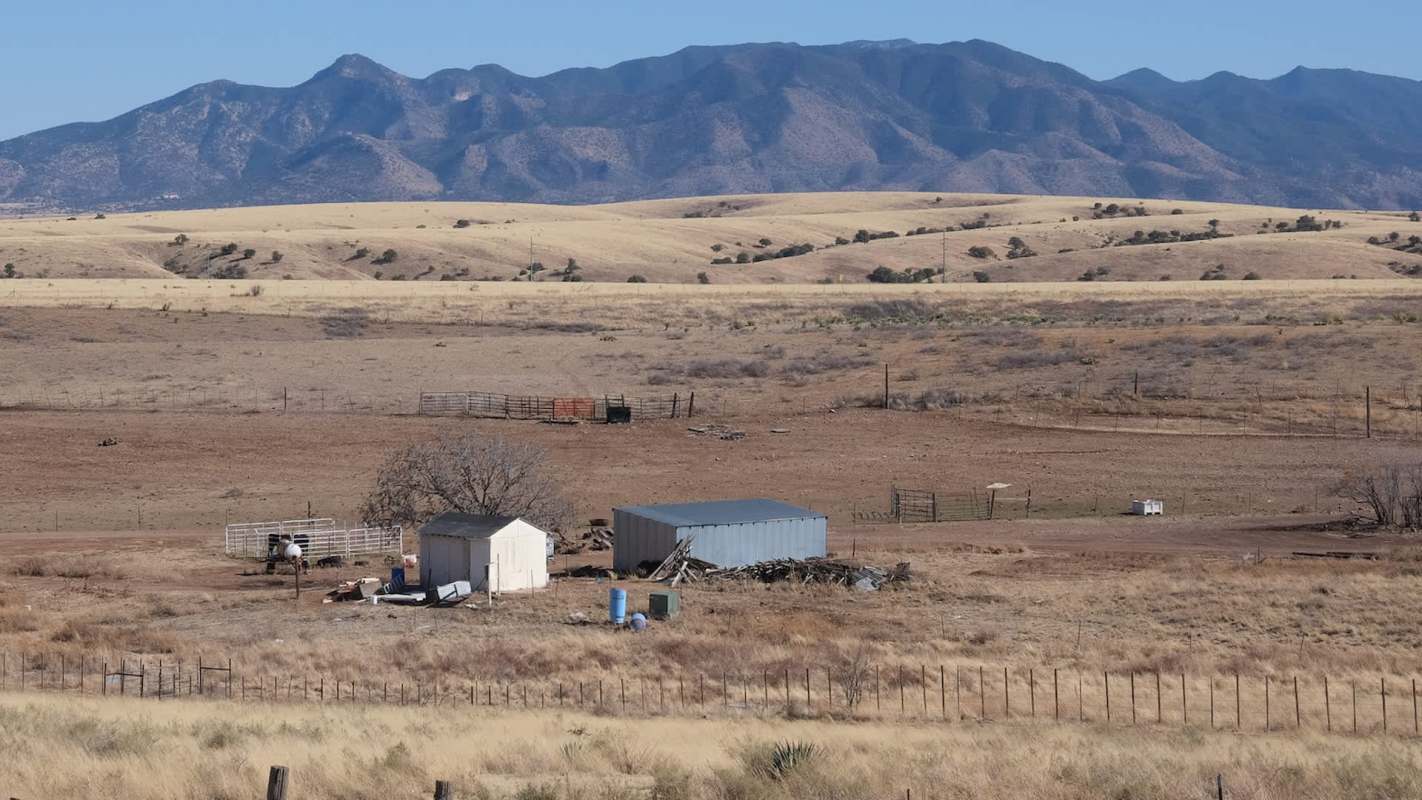
Drought conditions in Arizona have become so extreme that officials are moving to regulate groundwater use along the western edge of the state, the Associated Press has reported.
What's happening?
Wells have been running dry, prompting the Arizona Department of Water Resources to sharpen its water conservation efforts. The new plan includes conservation by large agricultural corporations like Fondomonte, which is owned by Saudi Arabia.
The company has been described by Arizona Attorney General Kris Mayes as a public nuisance for excessive groundwater pumping, according to the AP.
The plan won't reverse groundwater decline, but it could preserve what is left while communities wait for rain. Falling water levels have already caused land in the Ranegras Plain Groundwater Basin to sink, potentially shrinking its future capacity to store groundwater, the AP reported.
"We can no longer sit idly by while our rural communities go without help," said Arizona Governor Katie Hobbs in her annual address to the state legislature as its term began on January 13. "They deserve solutions and security, not another decade of inaction and uncertainty."
Why is this plan important?
Locals have already noticed worrying signs of drought. Birds unaccustomed to such behavior search backyards for food, ancient saguaro cacti struggle, and cattle ranchers are forced to haul in water, hay, and other resources they can't find close by.
Prolonged drought can have serious ripple effects. Rising global temperatures, driven by human activity and pollution, are altering rainfall patterns across the Southwestern United States and around the world, making dry periods longer and more intense.
As soils dry out and reservoirs shrink, farms face declining crop yields and increasing costs, while rural communities struggle to maintain reliable drinking water supplies. Drier landscapes also increase the risk of wildfires, which threaten homes, worsen air quality, and strain emergency resources.
Corporate water use can exacerbate these pressures. Arizona's groundwater regulations, established in 1980, primarily apply to urban areas such as Phoenix and Tucson, where developers must demonstrate they have a 100-year water supply before building.
In rural regions, looser rules have allowed larger agricultural entities to pump vast amounts of groundwater with limited oversight. Maps from the state's Department of Water Resources show severe land subsidence — land sinking, essentially — near industrial farming sites. This is set to reduce the land's ability to store water in the future, along with other potential consequences.
TCD Picks » Quince Spotlight
💡These best-sellers from Quince deliver affordable, sustainable luxury for all




|
Would you install water-collecting hydropanels on your home?
Click your choice to see results and speak your mind. |
 Definitely 👍
 According to the AP, some lawmakers have previously indicated that they feel rules similar to the new plan could hamper local economies and food production. Impacts on jobs and food supplies may indeed require consideration — but so too does water availability for residents, especially the most vulnerable, who don't stand to profit from corporate operations.
While major corporations see scrutiny, the impacts extend to families, small farmers, and rural towns. These groups often feel the effects first, as they have fewer resources to adapt when water becomes scarce.
What's being done?
New groundwater regulations for western Arizona are set to limit groundwater pumping and require water-use reporting. Officials aim to slow groundwater depletion while longer-term solutions are developed.
Conservation programs, water-efficiency upgrades, and water reuse projects around the state are crucial steps. But ultimately, stronger groundwater rules may need to expand statewide and, if necessary, nationwide.
Protecting our environment now is crucial to ensure water supplies, food systems, and livable temperatures — not only for current but also future generations.

Get TCD's free newsletters for easy tips to save more, waste less, and make smarter choices — and earn up to $5,000 toward clean upgrades in TCD's exclusive Rewards Club.
Cool Picks






