As polar sea ice continues to shrink, small-scale churning and mixing in the Arctic Ocean are becoming stronger. Experts believe this phenomenon may have far-reaching impacts on our planet, according to DongA Science.
What's happening?
In a recent study published in the journal Nature Climate Change, researchers at the Institute for Basic Science examined the future of mesoscale horizontal stirring in the Arctic Ocean. In simple terms, MHS is the swirling and mixing of ocean water that can spread heat, nutrients, carbon, and other materials.
However, current system models aren't detailed enough to completely capture this small-scale process. Because of this, previous studies were unable to fully understand how this type of mixing will change as the planet warms from increased pollution.
To overcome this obstacle, the team of IBS researchers utilized ultra-high-resolution simulations using the Community Earth System Model version 1.2.2. They discovered that as polar sea ice continues to melt due to rising global temperatures, the level of churning in the Arctic Ocean is intensifying. This increase in ocean turbulence could play a major role in affecting marine life and the ocean's ability to help regulate Earth's climate.
"The contrasting geographical structures — the land-locked Arctic Ocean and the coastal Antarctic waters — lead to fundamental differences in the dynamic processes that determine changes in horizontal seawater mixing," lead author Kyuseok Lee told DongA Science. "Nevertheless, if global warming continues, horizontal mixing is expected to increase significantly in both regions."
Why is an increase in mesoscale horizontal stirring important?
In the Arctic, the stronger mixing is primarily linked to winds blowing over newly exposed open water. While in the Antarctic, the increased MHS stems from meltwater freshening the surface and creating density differences that greatly influence mixing.
Perk up the winter blues with natural, hemp-derived gummies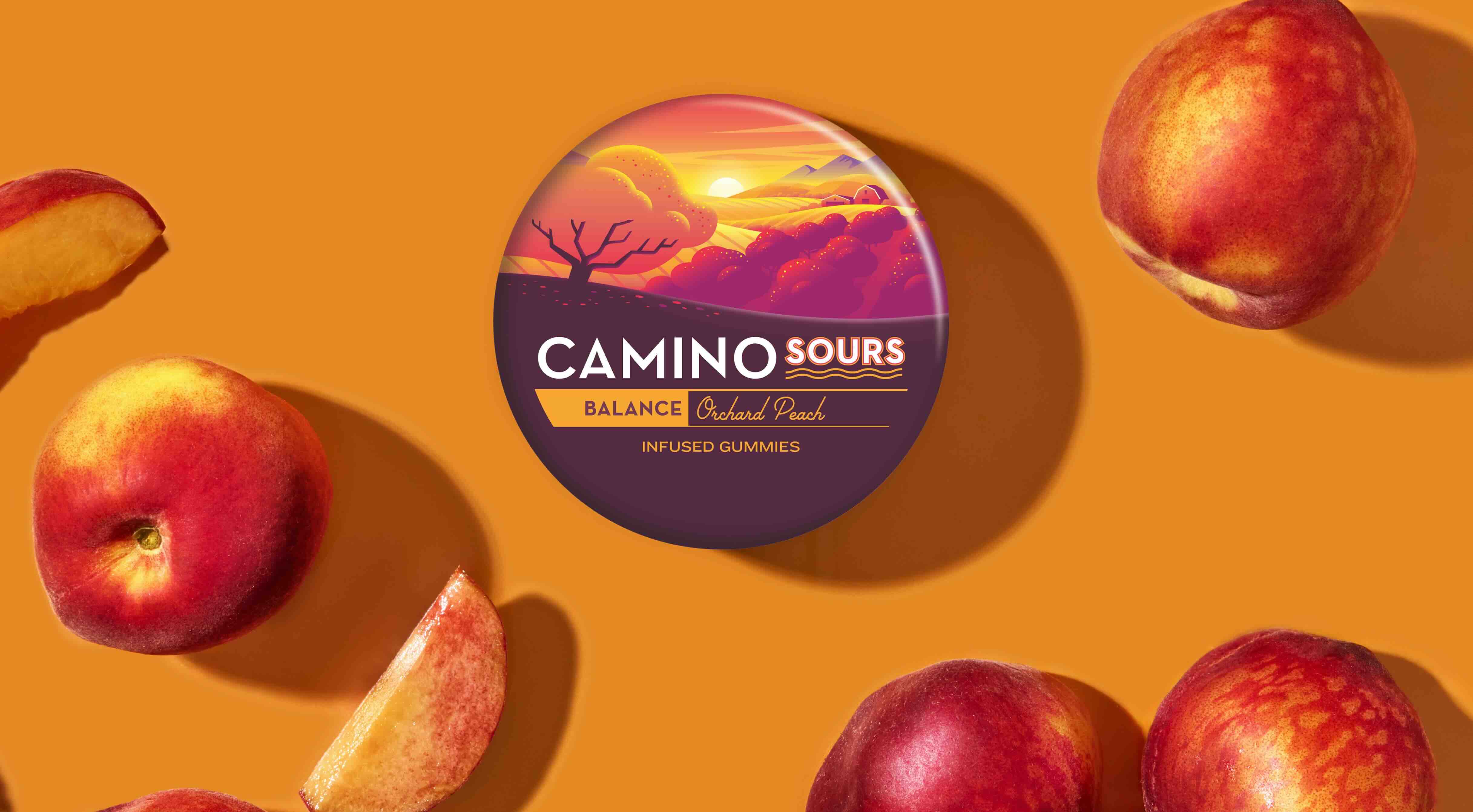 Camino's hemp-derived gummies naturally support balance and recovery without disrupting your routine, so you can enjoy reliable, consistent dosing without guesswork or habit-forming ingredients. Flavors like sparkling pear for social events and tropical-burst for recovery deliver a sophisticated, elevated taste experience — and orchard peach for balance offers everyday support for managing stress while staying clear-headed and elevated.
Learn more → |

As a result of the increased MHS, the distribution of life-sustaining nutrients could be severely disrupted, potentially reshaping marine ecosystems. To make matters worse, currents carrying fish larvae could lead them to unsuitable habitats, further hindering biodiversity.
According to June-Yi Lee, co-author of the study, this change could even have a hand in how microplastics are carried throughout the ocean. Lee discussed the team's findings in a news release.
"This study highlights important implications of global warming and associated ocean changes on the ocean ecosystem and the dispersal of pollutants such as microplastics," Lee said. "This type of research will be crucial for developing climate policies, including adaptation measures."
What's being done about the steady rise of global temperatures?
As temperatures rise across the globe, more regions are at risk of more frequent and intense extreme weather events such as heat waves, droughts, and stronger storms. Warmer temperatures are also continuing to be a leading cause of melting glaciers and ice sheets, furthering the possibility of increased MHS.
TCD Picks » Upway Spotlight
💡Upway makes it easy to find discounts of up to 60% on premium e-bike brands





|
Do you think we should place solar panels over bodies of water? Click your choice to see results and speak your mind. |
 Absolutely 👍
 In an effort to combat rising global temperatures, many countries are enacting policies focused on reducing the use of fossil fuels. This includes pushing for the widespread adoption of renewable energy resources such as wind and solar power.
Going solar can be a great way to safeguard your own home during extreme weather, especially when paired with battery storage. Solar panels can help you save money on your power bills, while also protecting you against skyrocketing energy prices.
You can check out TCD's Solar Explorer to help connect you with vetted installers and curate competitive bids that can save you up to $10,000 on solar installation. EnergySage, one of TCD's partners, offers a free service that puts you in touch with local installers and helps keep some of your hard-earned money in your pocket.

Get TCD's free newsletters for easy tips to save more, waste less, and make smarter choices — and earn up to $5,000 toward clean upgrades in TCD's exclusive Rewards Club.
Cool Picks