


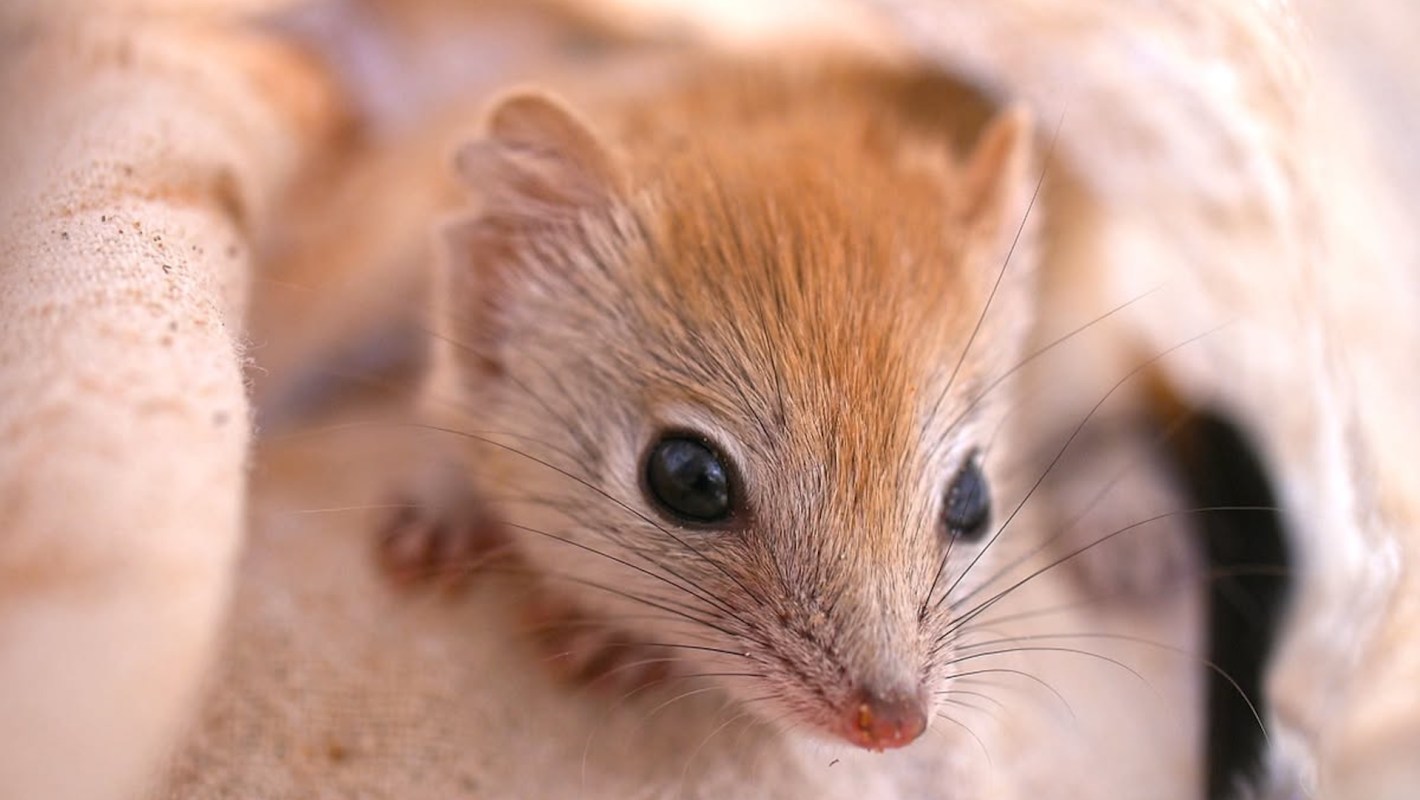
Once teetering on the edge of extinction, a tiny sand-dwelling marsupial is staging an inspiring comeback across Australia.
Known as the ampurta, or crest-tailed mulgara, this guinea pig-sized predator has rebounded from the brink and is now reclaiming large parts of its former range, Mongabay reported.
The ampurta once thrived across Central and Western Australia. But by the 1990s, it had become nationally endangered after decades of habitat disruption and the introduction of invasive species such as foxes and feral cats.
Now, after roughly 30 years, the species is bouncing back.
Research published in Biological Conservation found that the ampurta's range has expanded dramatically, increasing by tens of thousands of square kilometers across vast desert regions.
"It's just an incredibly rare story as far as Australian mammals are concerned," ecologist Dympna Cullen, who led the study, told Mongabay.
A surprising catalyst for this recovery was the outbreak of a rabbit disease in the 1990s. As non-native rabbit populations declined, predator numbers like foxes and feral cats also dropped, giving native species like the ampurta a chance to recover.
What makes the comeback even more remarkable is it comes amid ongoing challenges, including years of severe drought and other harsh environmental conditions.
Scientists say the ampurta is uniquely suited to survive in extreme environments. It can enter a state similar to "daily hibernation," according to Cullen, lowering its body temperature to conserve energy in tough desert climates.
As a small but fierce predator, the ampurta plays a key role in keeping ecosystems balanced by feeding on insects, reptiles, and small birds.
TCD Picks » Quince Spotlight
💡These best-sellers from Quince deliver affordable, sustainable luxury for all




|
Which of these savings plans for rooftop solar panels would be most appealing for you?
Click your choice to see results and earn rewards to spend on home upgrades. |
 Save $1,000 this year 💸
 Its return helps restore that balance, benefiting both wildlife and the health of the land itself.
For local communities, healthier ecosystems can mean greater environmental stability and more resilient natural systems.
"While Australia has a particular problem with invasive species, I think the more general lesson here is that if you can manage the threats to native species from humans, whatever those threats may be — some of them direct and some of them indirect — these species will come back if they've got the habitat," biologist Richard Kingsford, a co-author of the study, told Mongabay.
Still, scientists caution that ongoing vigilance is essential.
"If we're really going to get our desert ecosystems back, and some of the animals that used to be in there, we've got to really think about managing those big threats of cats and foxes at scale," Kingsford added.

Get TCD's free newsletters for easy tips to save more, waste less, and make smarter choices — and earn up to $5,000 toward clean upgrades in TCD's exclusive Rewards Club.
Cool Picks




