


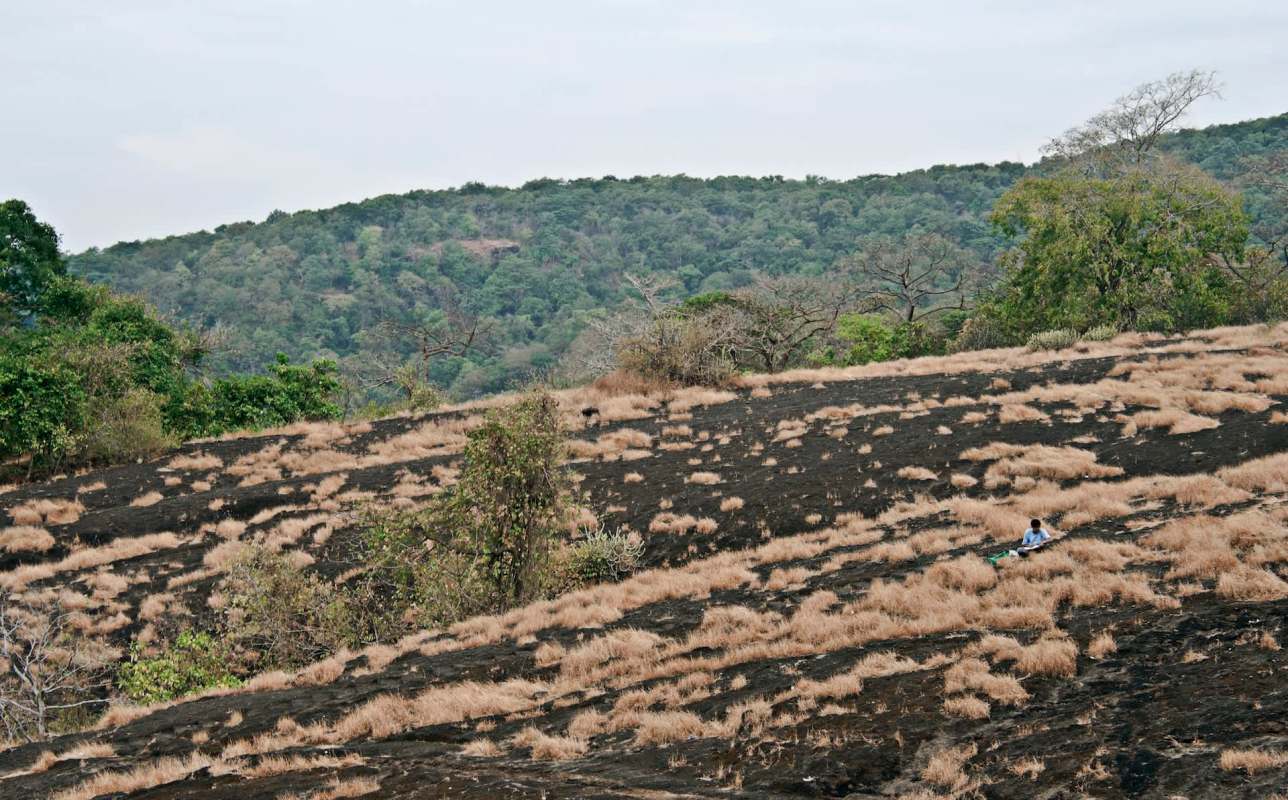
A national park in Mumbai, India, is at risk from a long-lasting threat: massive amounts of plastic waste dumped at the forest's edge.
What's happening?
Photos shared by Midday show the illegal dumping of garbage from nearby communities at a forest near Mumbai. It's a serious threat to the wildlife and biodiversity of the Aarey Milk Colony, part of Sanjay Gandhi National Park.
A Jogeshwari resident and local leader, Abhishek Patil, frequently visits the Aarey area and observed "rampant dumping."
"I was shocked to see massive amounts of garbage and plastic waste dumped right next to the forest patch," Patil said to Midday.
He wrote to the Brihanmumbai Municipal Corporation commissioner, "urging immediate action to stop this environmental disaster," requesting increased patrols and action against those who litter.
The area has seen a drastic rise in waste in recent months, with plastic trash increasing by over 200%, according to Patil and locals.
Perk up the winter blues with natural, hemp-derived gummies Camino's hemp-derived gummies naturally support balance and recovery without disrupting your routine, so you can enjoy reliable, consistent dosing without guesswork or habit-forming ingredients. Flavors like sparkling pear for social events and tropical-burst for recovery deliver a sophisticated, elevated taste experience — and orchard peach for balance offers everyday support for managing stress while staying clear-headed and elevated.
Learn more → |

"The waste piles are polluting the soil and groundwater," Patil added.
Why is plastic pollution concerning?
Environmental advocates warn that without a proper waste collection and disposal system in Aarey Milk Colony, the forest could become a permanent dumping ground, with consequences for the entire ecosystem and surrounding communities.
As activity expands in the Aarey area, piles of waste and illegal temporary cattle sheds encroach on forest land and push wildlife into more dangerous contact with humans.
Locals have observed spotted deer eating plastic from garbage piles and dead snakes trapped in plastic bottles.
TCD Picks » Upway Spotlight
💡Upway makes it easy to find discounts of up to 60% on premium e-bike brands





|
How concerned are you about the plastic waste in our oceans? Click your choice to see results and speak your mind. |
 Extremely 😫
 Trash in forests can lead to habitat loss and ecosystem destruction through contaminated soil and water, which could decrease local populations of pollinators, jeopardizing our food supply.
Plastic pollution is a growing global problem. According to a UN Environment Programme report, the equivalent of 2,000 garbage truckloads of plastic enters our oceans, rivers, and lakes every day. This pollution alters habitats, kills wildlife, and impacts millions globally.
As plastics break apart, they shed microplastics into the environment. These small, dangerous particles have been found worldwide and have entered the human body through food chains, water, and air.
They are linked to several life-threatening health effects, including cancer, reproductive issues, and cardiovascular disease.
What's being done about plastic pollution?
Garbage collection in Aarey Milk Colony falls under the jurisdiction of the chief executive officer of Aarey, but so far, there is no plan to address the issue.
Individuals can help by properly disposing of waste, using less plastic, and reporting illegal dumping when they see it. Simple habits to reduce plastic use include keeping a reusable water bottle, using reusable grocery bags, and avoiding single-use plastics whenever possible.

💰Get TCD's free newsletters for easy tips to save more, waste less, and make smarter choices — and earn up to $5,000 toward clean upgrades in TCD's exclusive Rewards Club.
Cool Picks






