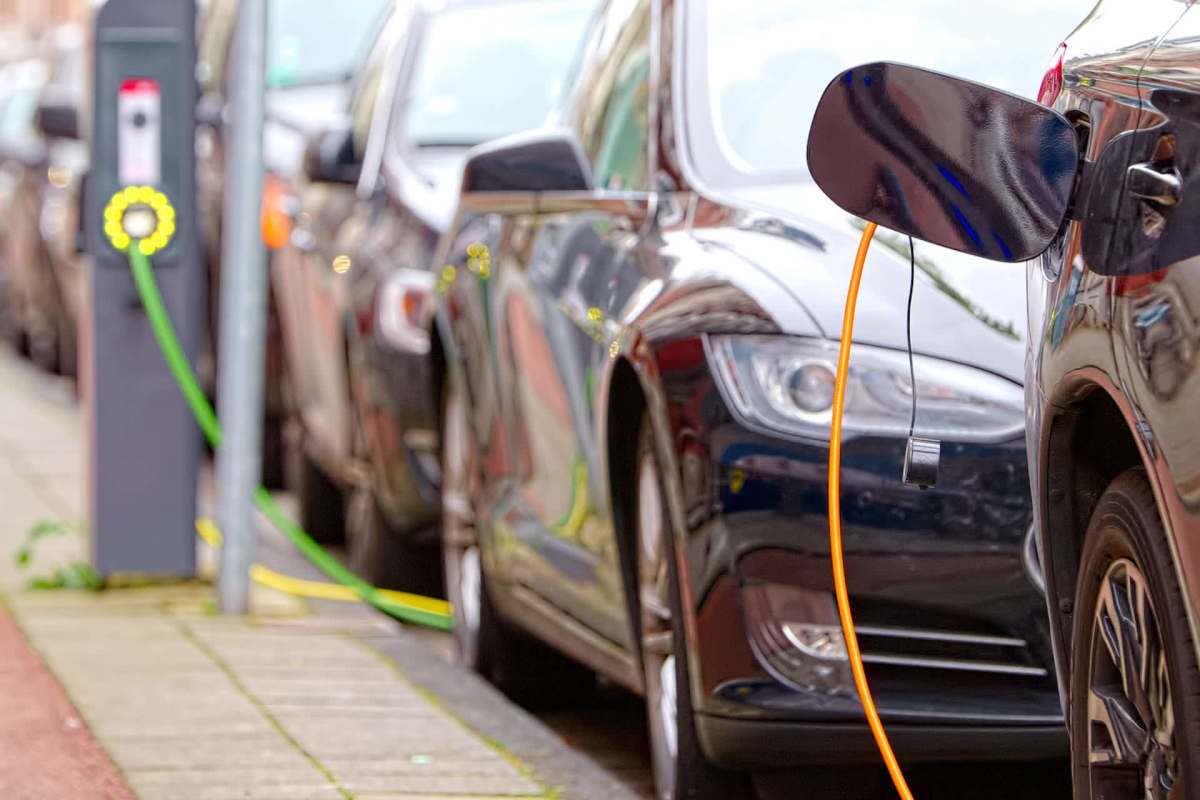
A new study confirms that electrifying vehicles significantly reduces air pollution. Researchers from the Keck School of Medicine of USC found that for every 200 zero-emissions vehicles (ZEVs) added, nitrogen dioxide levels fell by 1.1% in California neighborhoods.
The research, published in The Lancet Planetary Health journal, used high-resolution satellite technology to measure air pollution from 2019 to 2023. The research team summarized their findings in a press release and touted the significant public health ramifications.
"This immediate impact on air pollution is really important because it also has an immediate impact on health," senior author Erika Garcia said. "We know that traffic-related air pollution can harm respiratory and cardiovascular health over both the short and long term."
To that end, nitrogen dioxide (NO2) exposure is linked to both cardiovascular risks, such as heart disease, and respiratory ailments, such as bronchitis and asthma attacks. While the same research team made suggestive links between ZEV adoption and reduced NO2 in an earlier study using ground-level monitors, this study went a step beyond with more definitive data sources.
This study divided California into 1,692 neighborhoods using DMV ZEV registration data and the Tropospheric Monitoring Instrument (TROPOMI) for daily NO2 measurements. A typical neighborhood gained 272 ZEVs during the study.
To ensure the reliability of results, the study included several additional analyses. The research confirmed NO2 declines weren't solely due to pandemic-related changes. On the flip side, they also found that neighborhoods that added gas-powered vehicles saw an increase in NO2 pollution.
TCD Picks » Upway Spotlight
💡Upway makes it easy to find discounts of up to 60% on premium e-bike brands



The study also suggests greater potential to further clean the air. ZEV registrations rose from 2% to 5% of light-duty vehicles in California during the study period, indicating that there's much room for improvement.
Next, the study's authors will examine whether more ZEVs are associated with fewer asthma-related hospitalizations and emergency room visits.
Their work adds to the extensive research on whether EVs are better for the planet long-term than their gas-powered counterparts. Despite imperfections such as mining, the findings are clear on that front. The USC team is showing that when it comes to the air we breathe and public health, the benefits of EVs are undeniable.
"These findings show that cleaner air isn't just a theory—it's already happening in communities across California," declared Sandrah Eckel, the study's lead author.
TCD Picks » Quince Spotlight
💡These best-sellers from Quince deliver affordable, sustainable luxury for all




|
Would you be more willing to drive an EV with 500 miles of range? Click your choice to see results and speak your mind. |
 Definitely 👍
Get TCD's free newsletters for easy tips to save more, waste less, and make smarter choices — and earn up to $5,000 toward clean upgrades in TCD's exclusive Rewards Club.
Cool Picks