


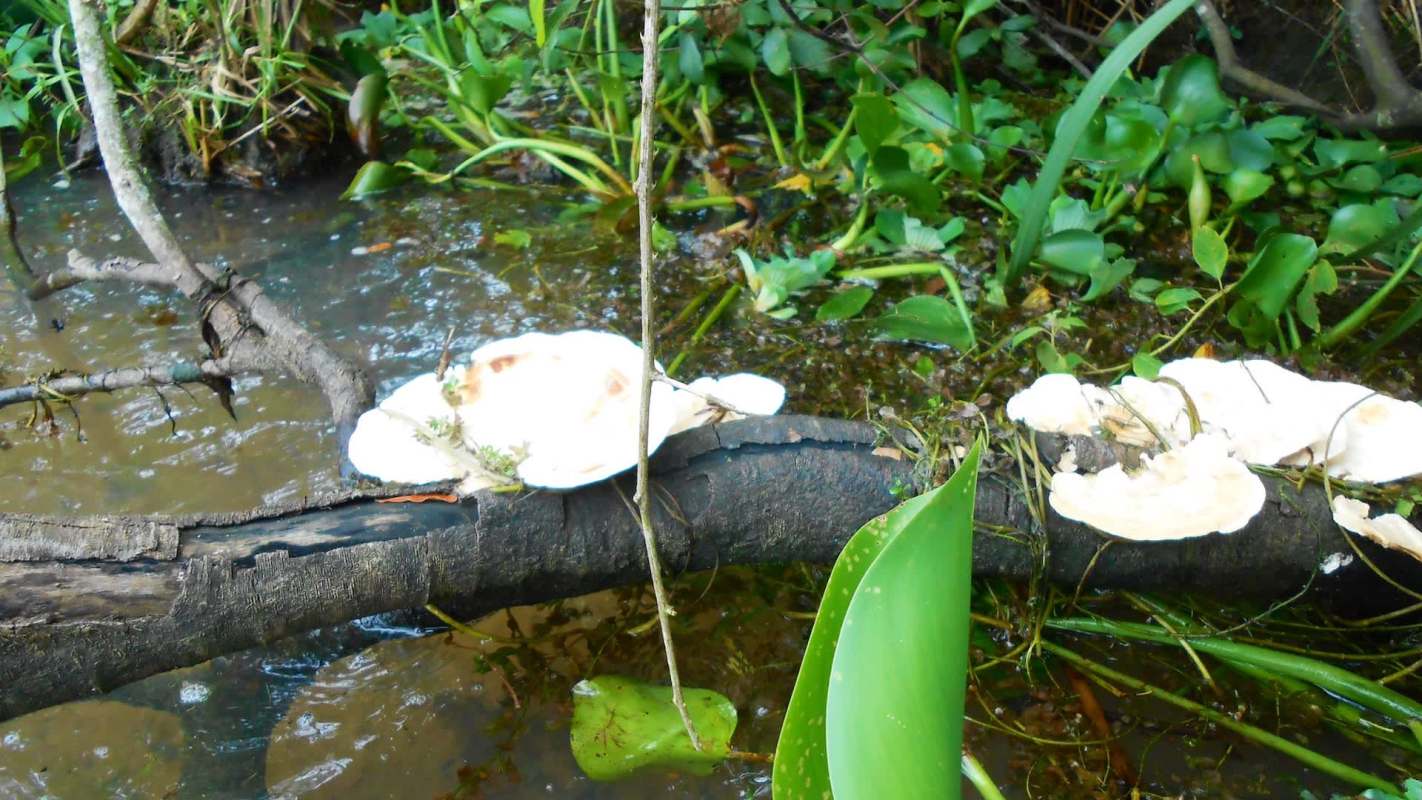
Scientists discovered new helpful agents to battle forever chemicals: wetland plants and fungi. Nature's own systems are being harnessed to remove the toxic pollutants. The clean, sustainable solution offers safer water and healthier communities.
As American Chemical Society detailed, wetlands act as "kidneys," filtering and purifying water. The discovery was reported in a study published in Environmental Science & Technology.
Bo Hu, Feng Zhao, and their team investigated a plant-fungi duo: the moisture-loving yellow flag iris (Iris pseudoacorus L.) and arbuscular mycorrhizal fungi (AMF). The symbiotic relationship can remediate PFAS and "treat contaminated wastewater," per the report.
PFAS (per- and polyfluoroalkyl substances) are a group of human-made chemicals. They have been in everything for decades, from non-stick cookware to stain-resistant fabrics. Also known as "forever chemicals," PFAS are slow to break down. This allows them to accumulate in the environment and human bodies.
Their widespread presence increases human exposure. Drinking water, food, and consumer products could become contaminated. PFAS pose a significant public health risk. Exposure can lead to increased cholesterol, decreased vaccine response in children, and certain cancers.
According to ACS, researchers measured PFAS impact using "small, wetland-like systems" inside greenhouses.
Perk up the winter blues with natural, hemp-derived gummies Camino's hemp-derived gummies naturally support balance and recovery without disrupting your routine, so you can enjoy reliable, consistent dosing without guesswork or habit-forming ingredients. Flavors like sparkling pear for social events and tropical-burst for recovery deliver a sophisticated, elevated taste experience — and orchard peach for balance offers everyday support for managing stress while staying clear-headed and elevated.
Learn more → |

They exposed yellow flag irises to PFAS-contaminated water. Findings show that plants exposed to PFAS have signs of stress and lower growth. When they introduced the fungus (Rhizophagus irregularis), plant growth improved.
The AMF-treated plants reached a successful ecological outcome. It first "removed 10-13% more of the individual PFAS" compounds per the report. At the same time, the pair boosted the breakdown of PFAS into smaller, less toxic compounds.
"Our study shows that a type of fungus (Rhizophagus irregularis) boosts wetlands' ability to remove PFAS and greatly reduces the environmental risks from 'forever chemicals' left in the outflowing water," said Bo Hu, per ACS.
Hu further highlighted the green-tech potential of the discovery, stating, "These results are key for developing stronger wetland-based cleanup methods and could inspire new technologies for removing PFAS."
TCD Picks » Upway Spotlight
💡Upway makes it easy to find discounts of up to 60% on premium e-bike brands





|
Do you worry about having toxic forever chemicals in your home?
Click your choice to see results and speak your mind. |
 Majorly 😥
 Wetlands' natural ability to break down and remove PFAS is an environmental remediation.
The report noted that this solution could lead to more "constructed wetlands." The goal is to control PFAS removal with this "natural water treatment strategy." The plant-fungus combination offers a cost-effective and sustainable method for cleaning contaminated wastewater.
Cleaner water sources benefit communities by reducing human exposure to these hazardous chemicals. Safeguarding drinking water and similar water purification efforts can improve public health.
Further real-world tests with PFAS-contaminated wastewater are the next step. Conserving water sources and plants in this way will help develop a cleaner, safer future for all.

Join our free newsletter for weekly updates on the latest innovations improving our lives and shaping our future, and don't miss this cool list of easy ways to help yourself while helping the planet.
Cool Picks





