


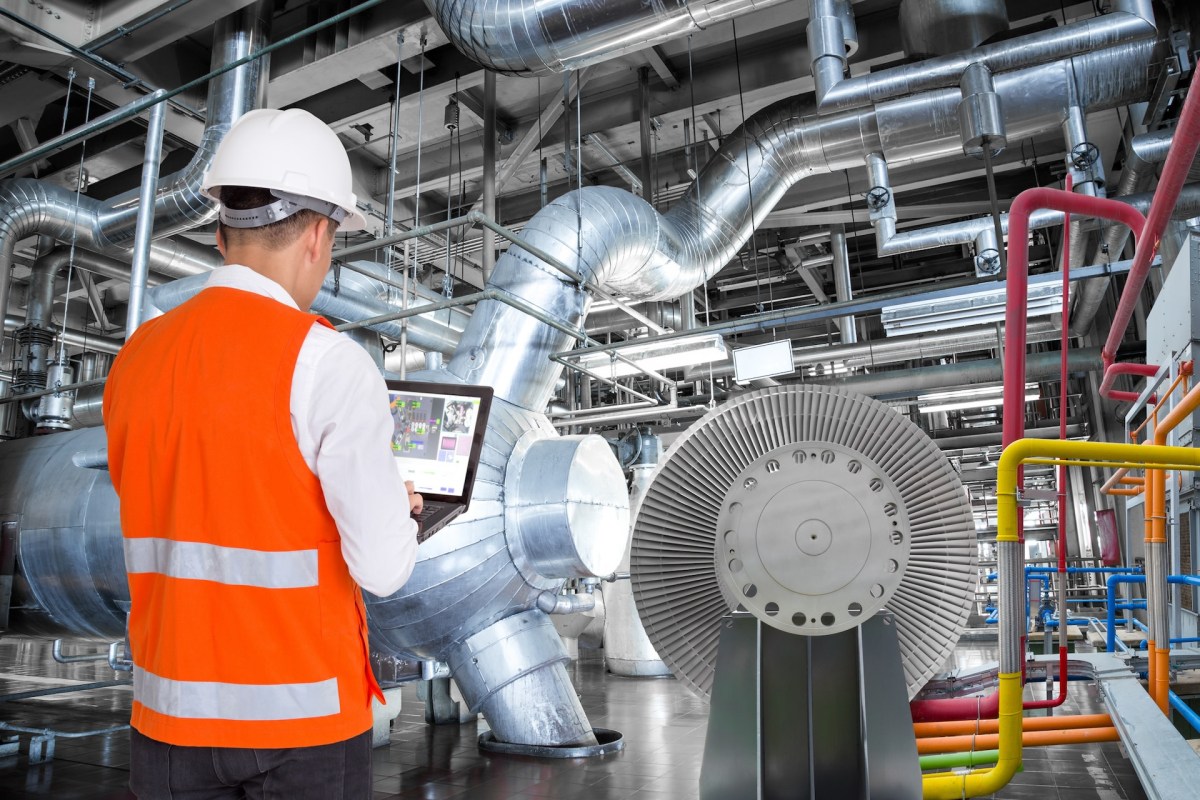
The U.K. Atomic Energy Authority has unveiled ELSA, a new fusion research testing facility where researchers will test components at extreme temperatures to help inform engineering and design decisions.
Specifically, the team will test the durability of remountable joint (RMJ) components that are a critical part of the country's STEP Program, a prototype fusion energy power plant slated to begin operations by 2040, according to an Interesting Engineering report.
At ELSA's South Yorkshire location, the team will be generating temperatures on a cryogenic scale between minus-423.67 and minus-447.07 degrees Fahrenheit to test the resilience of the RMJs under fusion-relevant plant conditions, the report added.
These sub-zero-temperature experiments earned the project its name, inspired by the princess in Disney's Frozen films, who has the magical ability to manipulate ice and snow.
Fusion is still a theoretical method for generating near-limitless power by fusing two atoms, resulting in a massive release of energy. When successful, fusion plants could become a key component in the world's sustainable energy infrastructure, alongside solar and wind power.
These fusion reactions take place inside a plasma field that's heated to over 180 million degrees Fahrenheit and confined by high-temperature superconducting (HTS) magnets in a doughnut-shaped tokamak reactor.
The HTS coils, however, need to be kept at sub-zero temperatures to reduce electrical resistance and produce stable magnetic fields. The RMJs also feature extremely low electrical resistance and will provide quick access to a fusion machine's toroidal coils for maintenance during plant operations.
"Remountable joints, and other aspects of high-temperature superconducting magnet technology, require cryogenic facilities like ELSA to test various aspects of the technologies and are few and far between," Chris Lamb, U.K. Industrial Fusion Solutions Ltd's (UKIFS) remountable joints engineering manager, said in a press release.
"Having the ELSA facility come online at the Fusion Technology Facility, on the doorstep of both STEP's West Burton site and the rich vein of manufacturing capability at the Advanced Manufacturing Park, will be fantastic in helping the engineers get up close and personal with realizing these critical HTS technologies."
Fusion technology is alluring because it's a zero-carbon option that can operate 24/7 and uses hydrogen isotopes, such as deuterium and tritium, derived from abundant seawater as fuel.
TCD Picks » Quince Spotlight
💡These best-sellers from Quince deliver affordable, sustainable luxury for all




|
Should we be pouring money into nuclear fusion technology? Click your choice to see results and speak your mind. |
 Yes — it'll pay off 👍
 With just 1 gram of this fusion fuel, a reactor can generate the same amount of energy as 2,400 gallons of environmentally polluting oil products, marking a cleaner way forward for our energy needs.
A fusion market analysis report by MIT revealed that fusion has the potential to surpass coal, which supplies around 34% of global electricity, as the world's leading power source, and rigorous testing is required to achieve that goal.
"Harnessing the power of the stars to generate clean, sustainable energy on Earth requires meaningful collaboration across scientific, engineering, and construction disciplines. UKIFS is committed to bringing the best people and organizations together to deliver STEP, and ELSA is a perfect example of this approach in action," said Dr. James Cowan, STEP programme director at UKIFS.

Get TCD's free newsletters for easy tips to save more, waste less, and make smarter choices — and earn up to $5,000 toward clean upgrades in TCD's exclusive Rewards Club.
Cool Picks





