


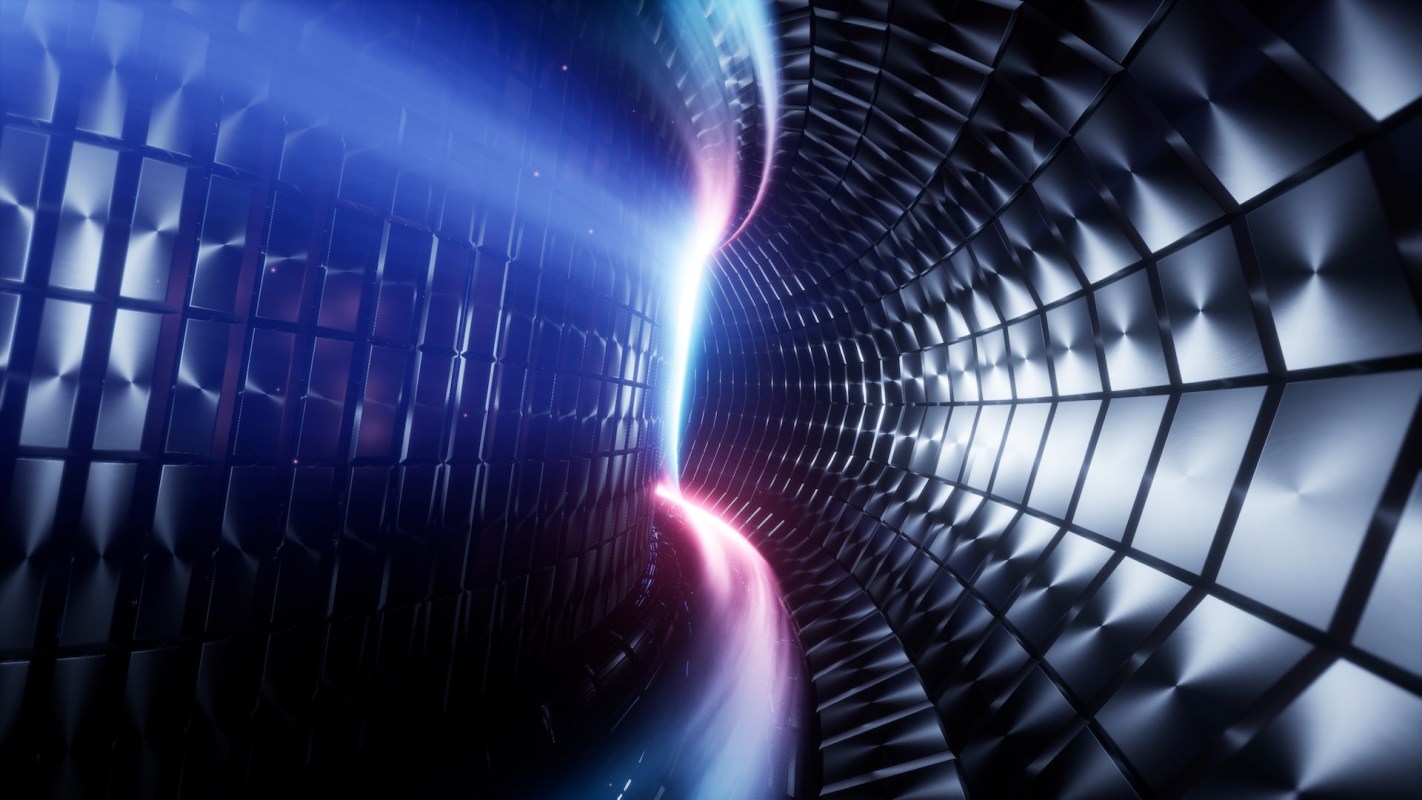
Scientists have unveiled a design for a fusion power plant that could bring a clean energy source closer to reality.
At Thea Energy, a spin-out of the Princeton Plasma Physics Laboratory, the company's new stellarator fusion system, Helios, is designed to generate large amounts of reliable nuclear energy using existing technology and parts, not relying on breakthroughs decades away.
Fusion energy works like the sun, fusing hydrogen atoms together to release energy. We can use that energy as heat to boil water and create steam that turns turbines to generate electricity, just like traditional power plants.
But unlike traditional energy sources like coal, gas, and oil, fusion energy produces no carbon pollution during operation. It also has virtually no risk of chain reactions or long-lasting radioactive waste, unlike fission plants.
The Helios design addresses a major fusion challenge: building reactors that are practical to build and operate continuously. Many fusion concepts rely on complex components that are expensive to build and replicate.
A stellarator, first invented at Princeton, is a type of fusion device that traps plasma using external magnetic fields.
According to the press release, Thea Energy's stellarator design uses hundreds of smaller, mass-manufacturable magnets controlled by software.
Twelve large magnets of different shapes confine the plasma, and inside are 324 smaller magnets that can adjust the plasma's shape if needed.
By using advanced processing simulations and AI, the system can adjust magnetic fields in real time, compensating for imperfections that could limit performance, costing time and money. Its exhaust system also addresses issues with heat removal from plasma in stellarator reactors.
According to Thea Energy, Helios will generate 1.1 gigawatts of heat, which can convert to about 400 megawatts of electricity, enough to power hundreds of thousands of homes.
TCD Picks » Quince Spotlight
💡These best-sellers from Quince deliver affordable, sustainable luxury for all




|
What's the most you'd pay per month to put solar panels on your roof if there was no down payment?
Click your choice to see results and speak your mind. |
 $200 or more 💰
 Energy costs are projected to start at $150 per MWh and decrease to $60 per MWh as more reactors are built.
If fusion is commercialized, systems like Helios and others could provide steady, high-output electricity with fewer price fluctuations than oil and gas.
Continuous operation and increased energy efficiency can help cities, businesses, and households lower energy costs, while reducing air pollution and improving public health.
"Helios does not rely on future scientific breakthroughs," said David Gates, Thea co-founder and CTO, in a press release.
Combining the benefits of the stellarator with programmable magnets, Helios represents "the evolution of the stellarator for commercialization."
"Fusion will change humanity forever," said Brian Berzin, co-founder and CEO of Thea Energy. "Mass-manufacturable, cost-competitive systems that operate continuously are critical for deploying this abundant form of energy at scale."
While Helios is still conceptual, the team plans to build and site "Eos," an initial fusion device to prove the concept in 2026, with plans for a functioning commercial system "around 2030," Berzin said.

Get TCD's free newsletters for easy tips to save more, waste less, and make smarter choices — and earn up to $5,000 toward clean upgrades in TCD's exclusive Rewards Club.
Cool Picks





