


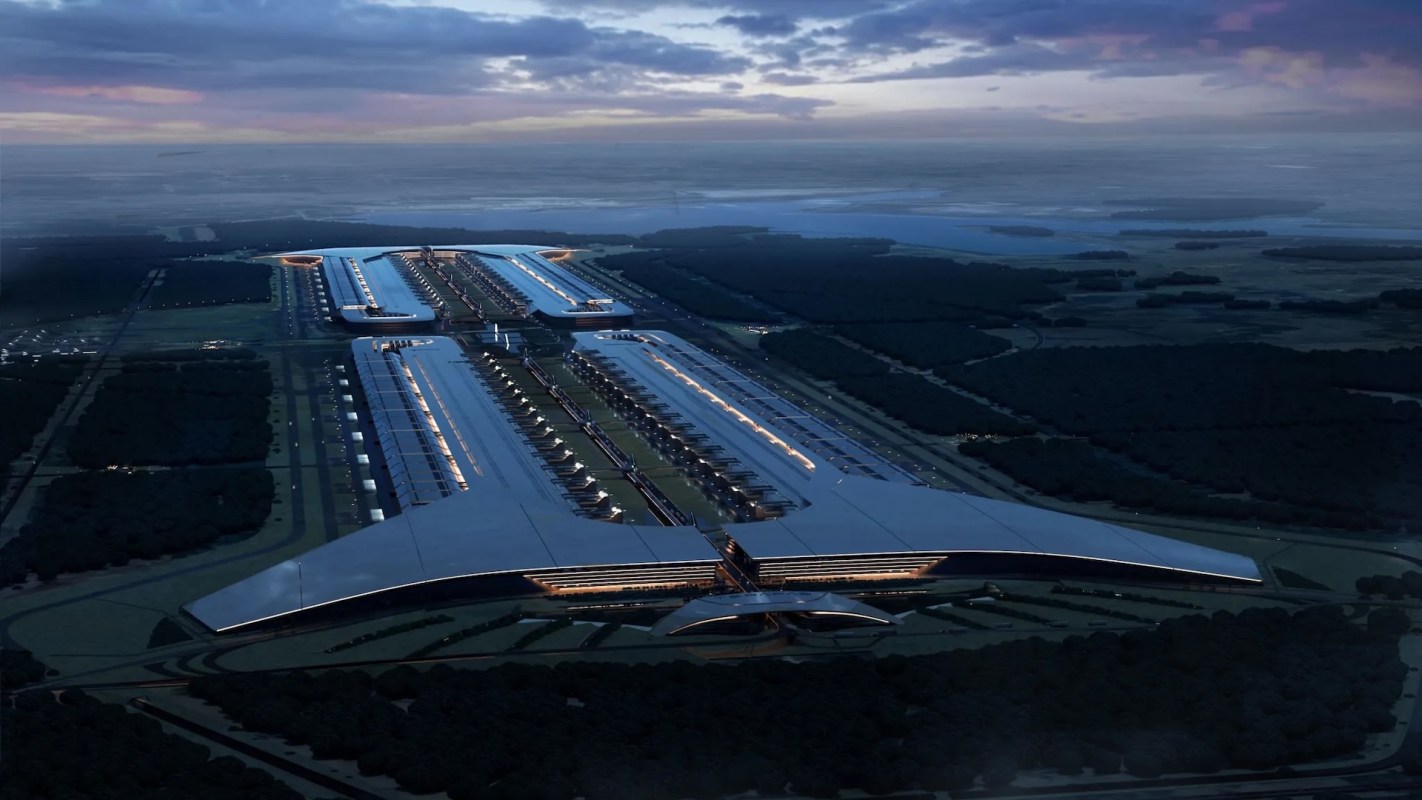
For its planned Texas chip plant, SpaceX is opting to pair gas-fired power with large batteries, an eye-catching choice for a project connected to Tesla and its clean-energy business.
According to TechCrunch, the decision also reflects a trend in which fast-growing AI and semiconductor projects turn to burning dirty fuels for constant power.
What's happening?
TechCrunch reported that Terafab is slated for Grimes County, northwest of Houston, and that the facility is intended to produce chips for data centers operated by SpaceX and xAI.
SpaceX's Riley Trettel, who oversees the company's energy and data center work, said at a public meeting that the site would generate its own electricity with methane gas and use large-scale battery storage.
Tesla has a stake in the project and is a major developer of solar and battery systems, but terrestrial solar power was not mentioned.
The plan also aligns with Elon Musk's turn toward gas-powered energy for operations with massive electricity needs. TechCrunch reported that xAI's data centers in Memphis depend heavily on methane gas, with SpaceX expecting to spend $2.8 billion on gas turbines by 2029.
TCD Picks » Quince Spotlight
💡These best-sellers from Quince deliver affordable, sustainable luxury for all




Why does it matter?
Semiconductor fabs and AI data centers require large amounts of electricity, and the power choices behind even one facility can shape pollution, costs, and grid planning for years. When a high-profile company builds its own gas plants, it reinforces burning fuel sources as the default answer to new industrial demand.
Coal and methane gas power plants contribute to air and water pollution linked to asthma, heart disease, cancer, and premature death, and they can keep energy costs elevated for households that remain tied to fuel sources with fluctuating prices instead of more abundant resources such as sunlight and wind.
In Texas, reliability and affordability remain persistent concerns for families, and rising power bills tied to data center growth are already showing up on Texas utility bills. Industry lobbying can also delay cleaner, lower-cost energy solutions by protecting older fuel investments and slowing the buildout of renewables, storage, and transmission systems that could lower bills and better protect households.
What's being done?
SpaceX has said the project will include major battery storage, which can help smooth electricity use and reduce strain during periods of peak demand. Batteries can play an important role in reliability, but they don't eliminate pollution if the system charging them still runs mostly on gas.
Solar, wind, and battery systems are being deployed across Texas at scale, and analysts point to those resources as lower-cost options over time when combined with grid upgrades and transmission expansion.
Community solar, rooftop solar if it fits the budget, home energy-efficiency upgrades, and utility programs that reward shifting electricity use away from peak hours can reduce dependence on gas-fired electricity.
For Terafab, SpaceX said it plans to be "bringing our own power" with "very large battery arrays." xAI, which will run data centers fed by the plant, has already faced a lawsuit over gas turbines powering its facilities in Memphis.

Get TCD's free newsletters for easy tips, smart advice, and a chance to earn $5,000 toward home upgrades. To see more stories like this one, change your Google preferences here.






