


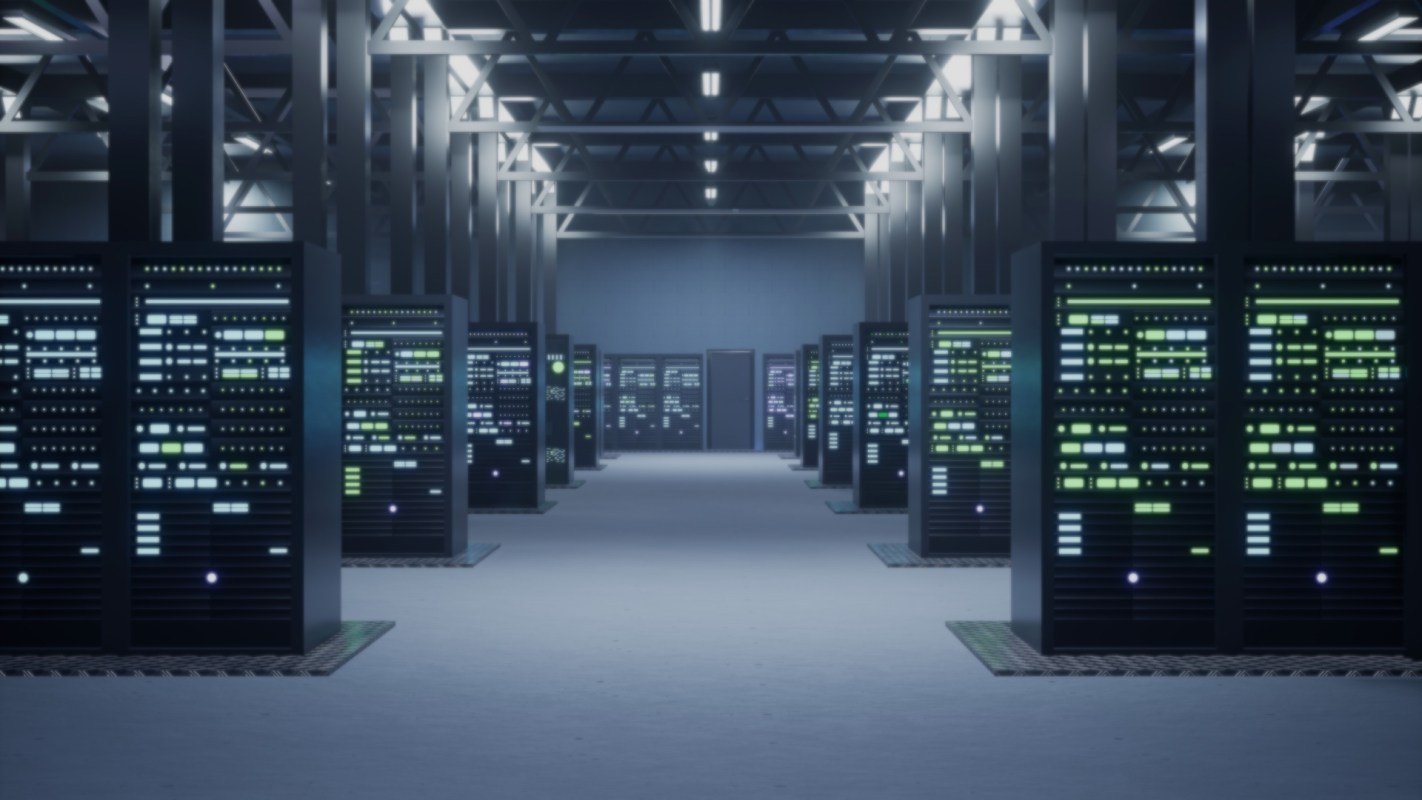
Texas wants to prevent the rapid expansion of data centers from quietly showing up as higher charges on household electric bills.
Officials are also considering protections that would require those large power users to dial back consumption when the grid is under pressure, instead of drawing heavily at the same time homes need electricity most.
What's happening?
As artificial intelligence and cloud computing drive up electricity demand, Texas lawmakers and regulators are advancing changes aimed at very large users such as data centers.
KHOU reported on the effort to address data centers and electric-bill costs in Texas.
Under the approach being discussed, if a data center needs expensive upgrades to connect to the grid, those costs would not be left for Texas families to absorb through monthly utility bills.
State officials are also looking at ways to have those facilities reduce electricity use when needed. That would make data centers act more like flexible industrial customers that can help the grid during tight periods, especially in extreme summer heat.
TCD Picks » Quince Spotlight
💡These best-sellers from Quince deliver affordable, sustainable luxury for all




The effort comes as Texas faces fast-rising power demand and ongoing reliability worries after several high-profile episodes of grid strain.
Why does it matter?
Data centers use huge amounts of electricity, often nonstop, and that demand is increasing quickly.
That raises a basic question whenever the grid has to be expanded to serve them: who pays for the new infrastructure?
If the expense is spread across the system, residential customers can end up covering projects built mainly for private developments. For households that may never directly benefit from those facilities, that can translate into higher electric bills.
There is also a reliability issue. During extreme heat, air conditioners already push demand higher, and large new power loads can make the grid more difficult to manage.
If those facilities can cut back when asked, they could help lower the chances of emergency alerts and reduce the need for the most expensive backup power sources.
What's being done?
Texas is concentrating on assigning costs to the users creating them and adding more flexibility to the grid, according to KHOU.
One piece of that effort would require data centers and other very large electricity users to pay for the upgrades needed to serve their projects.
Another would push those facilities to curtail or shift power use when the grid is strained.
That would leave companies benefiting from major new electricity demand responsible for more of the related expense, while also giving the grid another way to handle peak-period surges.
The broader idea behind Texas' latest move is to allow AI-era growth without asking families to pay for it through their electric bills.

Get TCD's free newsletters for easy tips, smart advice, and a chance to earn $5,000 toward home upgrades. To see more stories like this one, change your Google preferences here.






