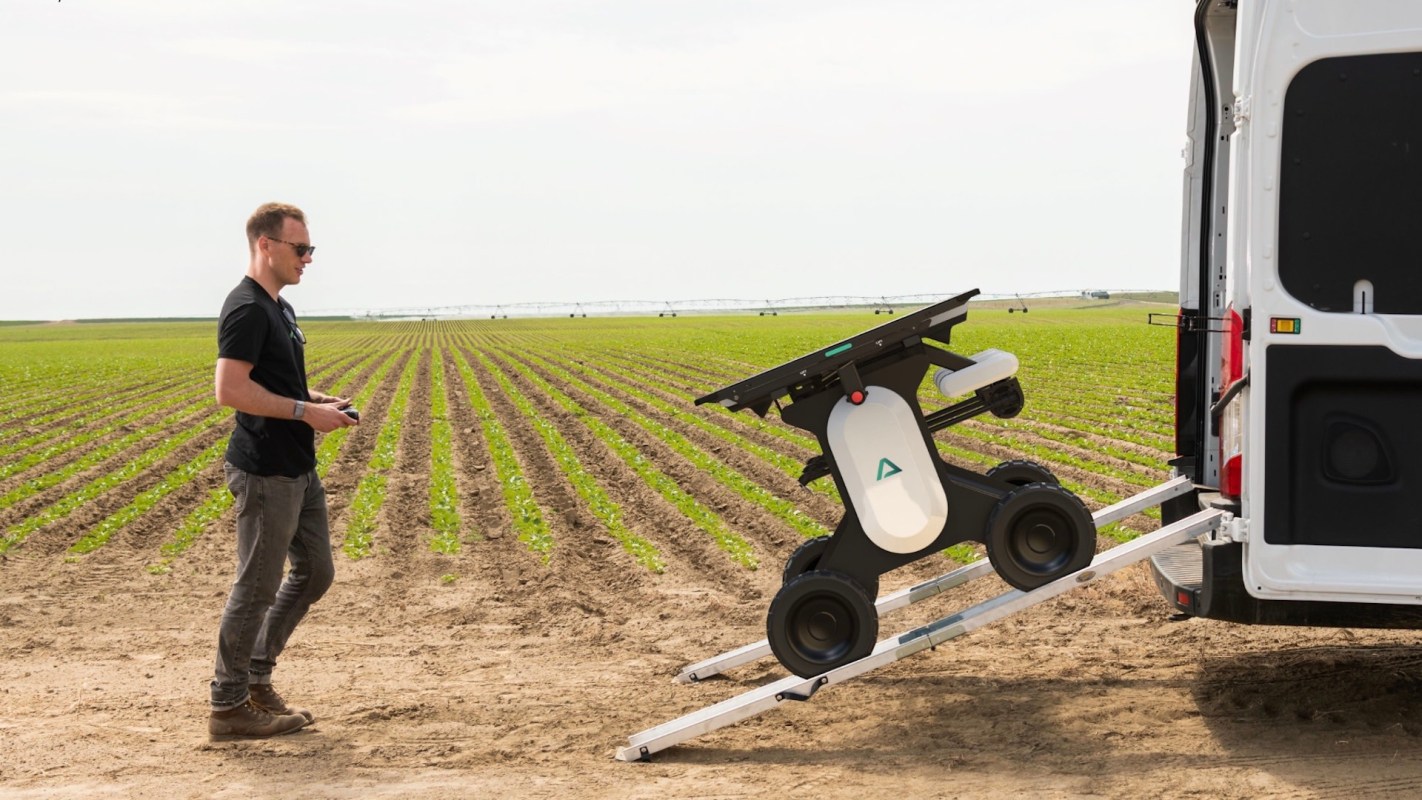
A sun-powered robot working the fields could be the future of farming, according to tech startup Aigen. Designed to tackle weeds without chemicals or expensive fuel, its new robotic system, called Element, has the potential to reshape the way crops are grown — and maybe how we think about farming labor.
Fitted with solar panels, small steel blades, and an onboard artificial intelligence system, Element navigates crop fields all on its own, identifying and removing weeds. As temperatures soar around the world and labor shortages worsen across the U.S., Aigen's robots offer a promising alternative to herbicides, which have become less effective and more harmful over time.
"I really believe this is the biggest thing we can do to improve human health," said co-founder and Chief Technology Officer Richard Wurden to AFP, noting how widespread chemical use in agriculture exposes consumers to pesticide residues. "Everybody's eating food sprayed with chemicals."
Wurden, a former Tesla mechanical engineer, launched the project after hearing from relatives in Minnesota who were struggling to keep up with rising weeding costs. With fellow co-founder Kenny Lee, a software expert, the team created a robot that mimics the work of human hands — but is powered entirely by the sun and designed to work tirelessly in the heat.
Each Element unit looks like a flat-topped cart with metal arms and is fitted with cameras to spot and remove weeds as efficiently as humans. Aigen says five robots could cover 160 acres, and some are already in use on tomato, cotton, and sugar beet farms. Each robot costs $50,000, and the startup says the investment pays off in fewer labor costs, chemical savings, and reduced fuel use, all while cutting pollution and protecting our food and water supply from added toxins.
Beyond being cost-effective and sustainable, the robots could eventually help farmworkers transition to less grueling roles, such as monitoring and maintaining machines. "If you think this is a job that we want humans doing, just spend two hours in the field weeding," Wurden pointed out.
TCD Picks » EDF Spotlight
💡EDF's Vital Signs newsletter delivers stories about game-changing solutions close to home and around the world


According to the company's website, interested farmers can sign up for the 2026 presale online. Backed by Amazon Web Services' "Compute for Climate" initiative, Aigen joins a wave of agri-tech solutions aiming to clean up our food system. As herbicide-resistant weeds and climate extremes intensify, solar-powered robots such as Element may become essential farm tools in the future.
|
Do you think the government should ban gas-powered lawn tools? Click your choice to see results and speak your mind. |
 No way 🙅
Join our free newsletter for weekly updates on the latest innovations improving our lives and shaping our future, and don't miss this cool list of easy ways to help yourself while helping the planet.
Cool Picks