


Subscription plans tied to everyday technology are drawing renewed pushback, and one group is trying to put a stop to it.
WPDE reported that the FULU Foundation brought its national Right to Repair tour to Myrtle Beach to argue that software locks, repair barriers, and recurring fees are eroding consumers' ownership rights.
Here's what to know
From smart devices to vehicle computer systems and video games, critics say more companies are using software locks and subscription models to keep charging customers long after the initial purchase.
On its national tour, the FULU Foundation made Myrtle Beach a stop to draw attention to what it calls an "erosion of ownership" in consumer tech, the station said. In the group's view, people are increasingly finding that products they thought they owned come with software controls, obstacles to repair, and ongoing charges.
"If we want to fully own our stuff, if we want to control our stuff, we're going to need to do something about it," commented FULU Foundation Executive Director Kevin O'Reilly, per WPDE.
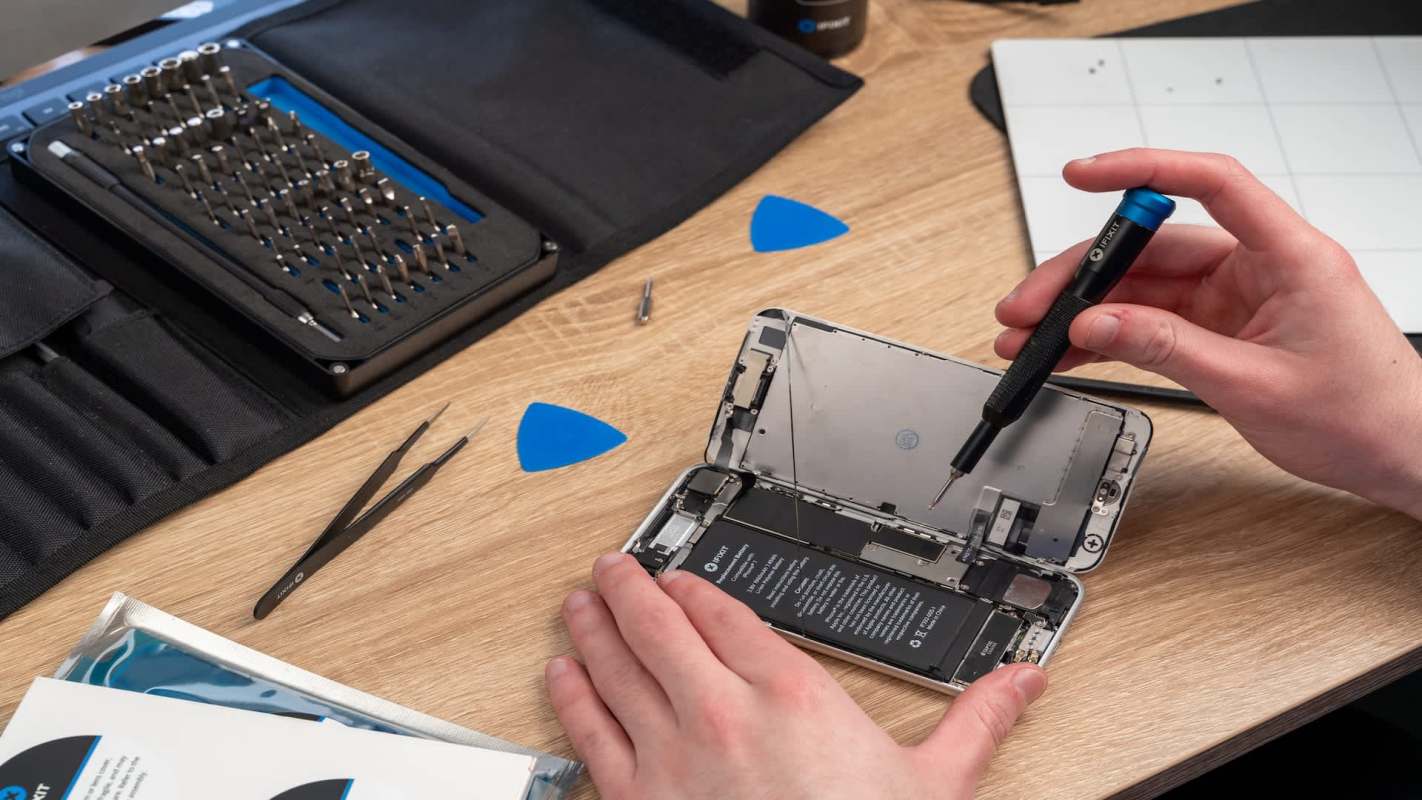
This campaign fits within the Right to Repair movement, which centers on the idea that buyers should be free to maintain and fix their own products. FULU argues that manufacturers keep control by restricting repairs and relying on legal protections, turning ordinary purchases into continuing sources of revenue.
TCD Picks » Quince Spotlight
💡These best-sellers from Quince deliver affordable, sustainable luxury for all




That concern spans multiple categories, including smart devices, video games, and vehicle computer systems. Myrtle Beach marked the foundation's first stop on the East Coast, with North Carolina and Virginia scheduled next, according to WPDE.
More background
FULU points to the Digital Millennium Copyright Act, or DMCA, as a major part of the dispute, as WPDE detailed. The group says the federal law has been applied in ways that prevent consumers from fully using, repairing, or modifying the technology they buy, and critics say those protections can serve as a business lever rather than simply an anti-piracy safeguard.
Software now powers many ordinary products, from smart devices to vehicle computer systems. When companies lock down that software, owners may be unable to use independent repair shops, replace parts, or make simple fixes on their own.
The result can feel like a bait-and-switch. Consumers pay upfront for a product, then keep paying to access features, service it, or maintain compatibility.
That overlap between consumer rights and waste reduction is one reason right-to-repair battles have gained traction. When products last longer, people can avoid surprise costs while keeping usable electronics and parts out of the trash.
What's being done?
Beyond the discussion itself, the Myrtle Beach event included a way for attendees to contact U.S. Rep. Russell Fry, with voters invited to send letters in support of legislation to shield device repairs from copyright-related disputes, according to WPDE.
Efforts like that are part of a broader push for policy changes that would make it easier for owners and independent repair businesses to access tools, parts, and information. Supporters say clearer rules could help restore the basic expectation that buying something should include the right to maintain it.
"We're going to need to update these laws," O'Reilly concluded, per WPDE. "We're going to need to express our frustration."

Get TCD's free newsletters for easy tips, smart advice, and a chance to earn $5,000 toward home upgrades. To see more stories like this one, change your Google preferences here.






