


Oregon's Right to Repair law is strengthening a local culture of fixing things and pushing back on a long-running habit in the United States of replacing broken or aging products instead of repairing them.
What's happening?
By passing some of the country's toughest Right to Repair rules in 2025, Oregon has moved to the front of the national debate, Portland Monthly reported.
The law is meant to make electronics and other goods more repairable by requiring manufacturers to make replacement parts available.
Smartphones show why the issue matters so much. They are everyday essentials, but buying a new flagship model can easily cost more than $1,000, even as companies keep rolling out fresh versions year after year.
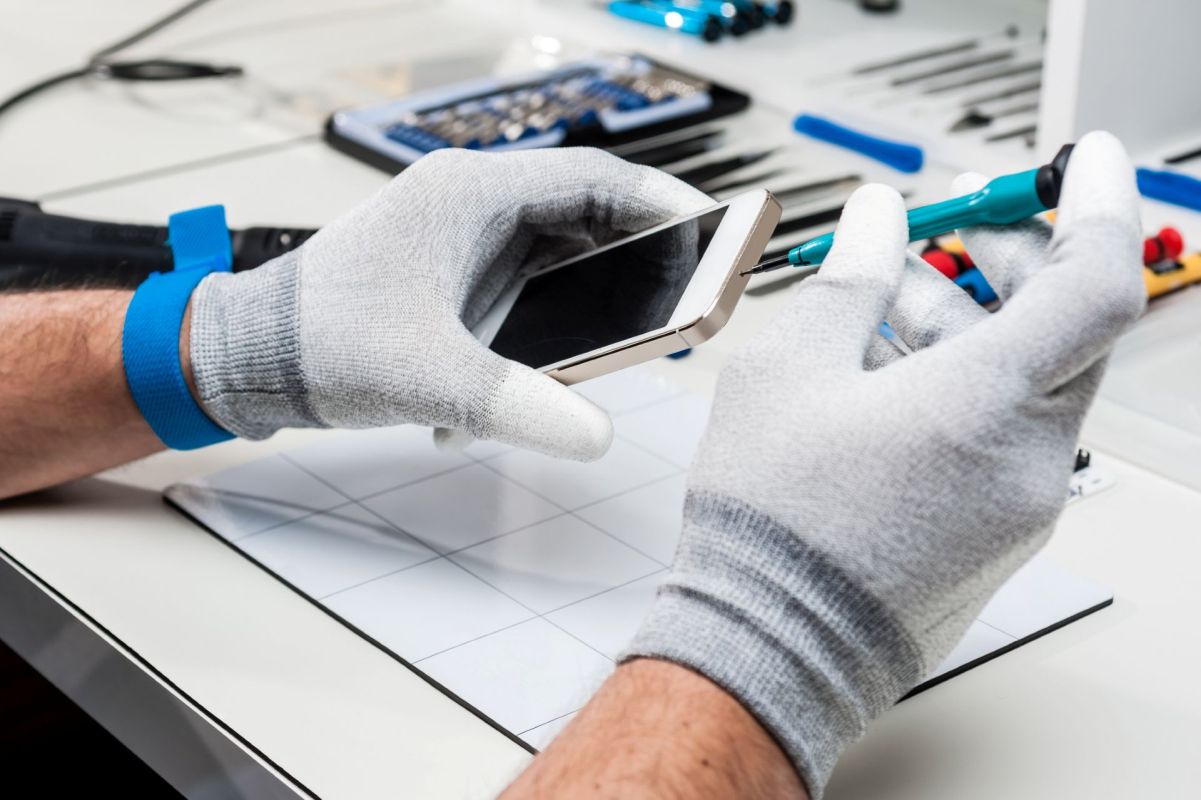
Fix Hut owner Peter Missona has been in the phone-repair business since the iPhone 3GS days.
"This was before everybody had an iPhone," Missona told the outlet, adding, "I've been fixing them since the beginning, essentially." According to Missona, many devices that people are told cannot be saved actually need only relatively simple work.
TCD Picks » Quince Spotlight
💡These best-sellers from Quince deliver affordable, sustainable luxury for all




Missona explained to Portland Monthly, "Most things can be repaired."
Why does it matter?
At the center of the issue is planned obsolescence, in which products are designed, promoted, or even controlled by software in ways that make replacements more likely or even necessary over repairs.
That pattern costs consumers enormous sums of money and adds to a growing environmental problem. The world generates tens of millions of tons of electronic waste each year, and once devices are thrown away, the valuable materials inside become much harder to recover.
Thankfully, the Oregon law also takes aim at what Portland Monthly called "parts pairing," when software can render electronics unusable unless repairs are done by the manufacturer or a connected repair shop using approved parts.
Companies often say those limits protect security, but independent repair advocates contend they can also nudge people toward purchasing new devices instead of fixing old ones.
Having more repair options can mean lower costs, longer-lasting products, and a better chance of keeping everyday essentials in use.
Oregon now stands alongside California, New York, Minnesota, and Colorado, which have also passed Right to Repair laws, and reports indicate that all 50 states have some form of repair legislation in the works.

Get TCD's free newsletters for easy tips, smart advice, and a chance to earn $5,000 toward home upgrades. To see more stories like this one, change your Google preferences here.






