


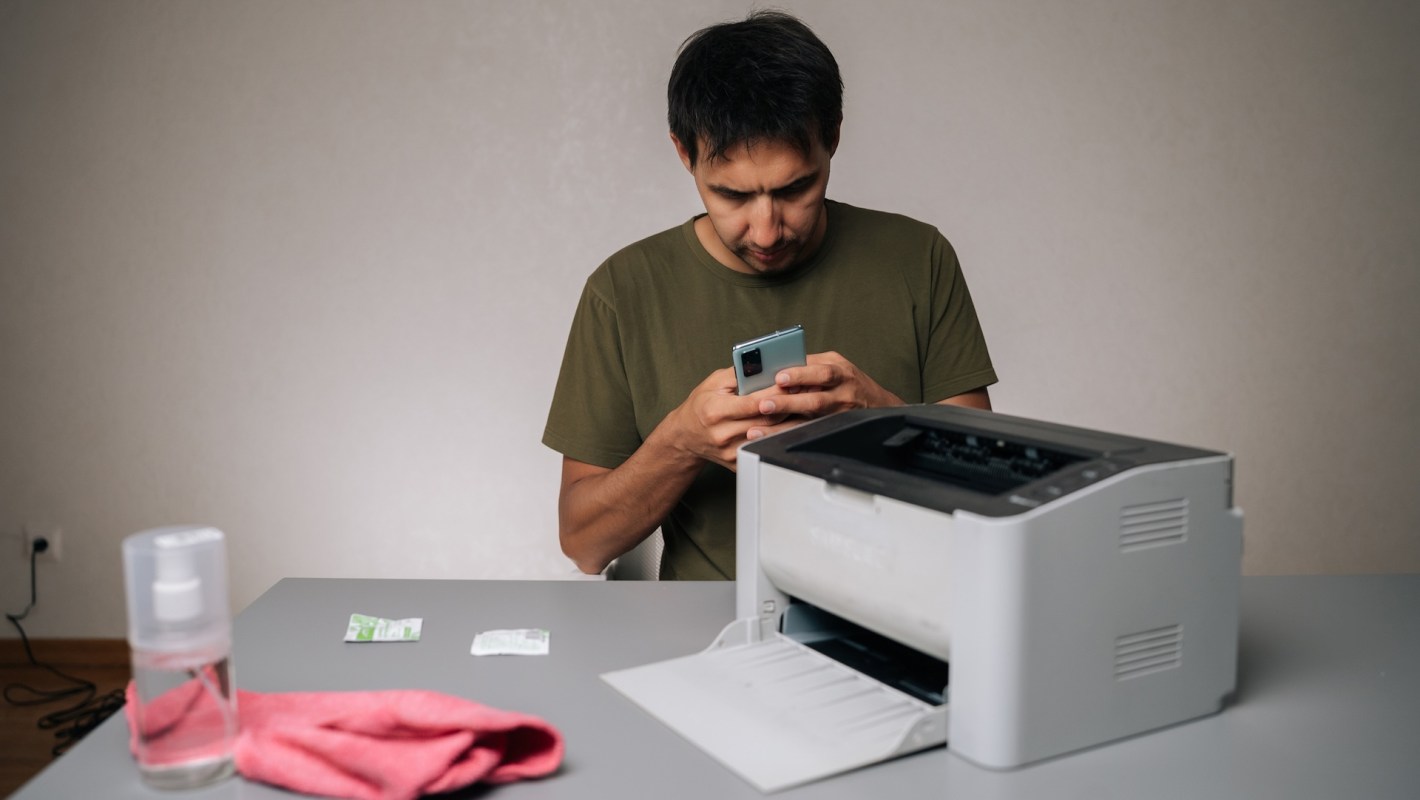
Without the right to repair in the U.S., buying a new printer, dishwasher, or even a tractor can be easier than fixing the broken thing.
The growing right-to-repair movement says that isn't some random quirk of modern life. Advocates argue it's the result of decades-old copyright rules that have turned ordinary repairs into a maze of software locks, high service costs, and legal barriers.
What's happening?
Oana Godeanu-Kenworthy, a teaching professor of global and intercultural studies at Miami University, wrote an explainer for The Conversation detailing the history of repair. She traced today's repair frustrations back to the entertainment industry's fight over home video in the late 1970s and '80s.
The U.S. Supreme Court ruled in 1984 that taping TV for personal use counted as fair use. Because of that, companies shifted toward tools and laws that gave them tighter control over how people accessed digital content.
That shift helped usher in digital rights management, and Congress reinforced it with the Digital Millennium Copyright Act in 1998. As Godeanu-Kenworthy wrote, the law made tools for getting around tech locks illegal, despite warnings from critics that it could increase costs and slow innovation.
Today, those rules extend far beyond movies and music. As software became embedded in everyday products, manufacturers gained a powerful new way to restrict repairs.
TCD Picks » Quince Spotlight
💡These best-sellers from Quince deliver affordable, sustainable luxury for all




Godeanu-Kenworthy referenced John Deere preventing farmers from getting into the software required to service their own equipment. She also noted that even the U.S. Department of Defense may be unable to fix its weapons systems because the intellectual property stays with the manufacturer.
Why does the right to repair matter?
Without the right to repair, simple fixes can turn into expensive headaches. Products that ought to last for years can also end up in the trash over one locked component or software issue.
Godeanu-Kenworthy cited a Trellis article which stated that the U.S. produces roughly 46 pounds of e-waste per person each year — second to China. Only 25% gets recycled.
With e-waste on the rise, people are looking for solutions to handle it properly and reduce it whenever possible.
What's being done?
The right-to-repair movement has emerged to push back on these barriers. The core argument is that when you buy something, you should be free to fix it yourself or hire an independent shop without roadblocks.
That idea now has bipartisan traction in Congress. Godeanu-Kenworthy said the Warrior Right to Repair Act and the Repair Act, introduced by a Democrat and Republican, respectively, would set up a federal framework meant to make repairs easier and less expensive.
Industry groups are strongly opposing both bills, but public support appears to be on the movement's side. Godeanu-Kenworthy said support for the right to repair runs above 80% among Americans.
As she put it, "Technology tends to outpace existing legal arrangements. … It remains to be seen when or if American law will catch up with the unexpected consequences of a law … now hurting consumers' pocket books."

Get TCD's free newsletters for easy tips, smart advice, and a chance to earn $5,000 toward home upgrades. To see more stories like this one, change your Google preferences here.






