


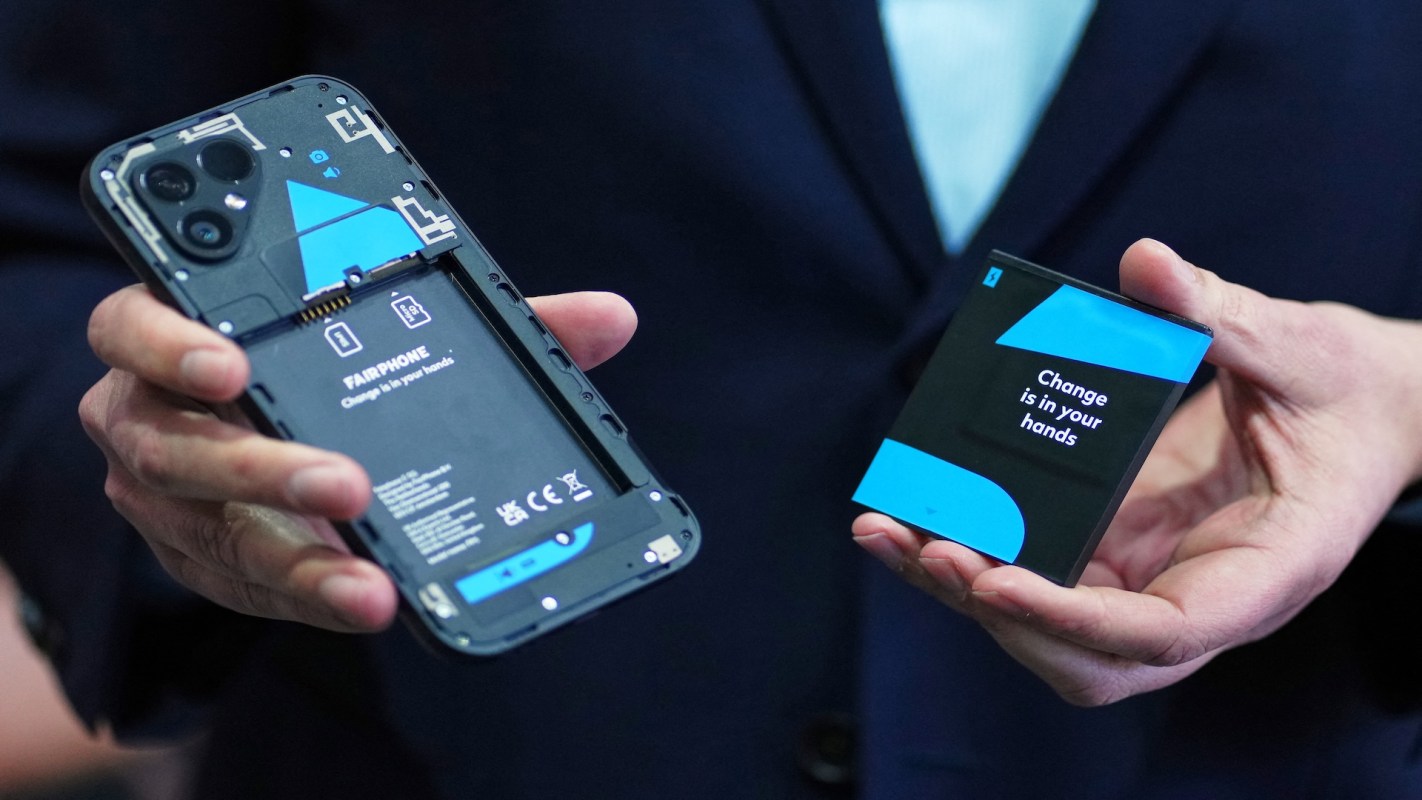
Fairphone is pitching U.S. smartphone buyers something unusual if they're fed up with sealed devices and expensive fixes: a phone meant to be opened, repaired, and used for the long haul.
That could mean less waste, less pressure to upgrade, and savings when a battery or screen wears out.
Here's what to know
According to Digital Trends, Fairphone is entering the U.S. for the first time with the $650 Fairphone Gen 6+, which works on T-Mobile and AT&T networks.
The key is that owners will be able to handle much of the phone's upkeep themselves. Fairphone says 12 modular components can be swapped at home, iFixit gave the device a 10/10 repairability score, and Digital Trends reported relatively low part prices: $90 for a new screen, $20 for a USB-C port, and $40 for a replacement battery.
That stands in contrast to many popular smartphones, as fixing a display can cost $300 or more and a battery replacement can run at least $100. At those prices, many people replace the whole phone instead.
Fairphone instead combines a modular design with a five-year warranty and software support through 2033.
TCD Picks » Quince Spotlight
💡These best-sellers from Quince deliver affordable, sustainable luxury for all




More background
A few big brands have long dominated the U.S. smartphone market, and their devices often favor sleek, sealed construction over ease of repair. That reinforces a pattern wherein cracked screens, worn-out batteries, or damaged ports steer people toward costly replacements.
"If you look to the U.S. market, it's heavily duopolistic with very little real consumer choice," Fairphone CEO Raymond van Eck told Wired. "Americans are exhausted by planned obsolescence, closed-box ecosystems, and expensive yearly upgrades."
What's being done?
Fairphone is betting that repairable smartphones can succeed as a business. By offering replacement parts and a modular layout, the company is making self-repair more practical for people who might otherwise mail a device for service or replace it.
Plus, broader in-store availability could be important in a market where lesser-known phone brands have historically struggled to gain a foothold. The company is reportedly talking with carriers and mobile virtual network operators in the hopes of getting the devices into more stores.
Nathan Proctor, who heads the PIRG Right to Repair campaign, told Digital Trends that Fairphone's U.S. debut could put pressure on large manufacturers to rethink how they build devices.
"It's proof that it can be done," he said. "If companies wanted to make eminently fixable modular products, they could."
A phone that's easy to repair can help people keep it longer, spend less on upkeep, and avoid replacing it when the device still has years of useful life left.

Get TCD's free newsletters for easy tips, smart advice, and a chance to earn $5,000 toward home upgrades. To see more stories like this one, change your Google preferences here.






