Renewables are taking up a larger share of the U.S. power mix, providing 30% of the country's electricity during the first five months of 2026.
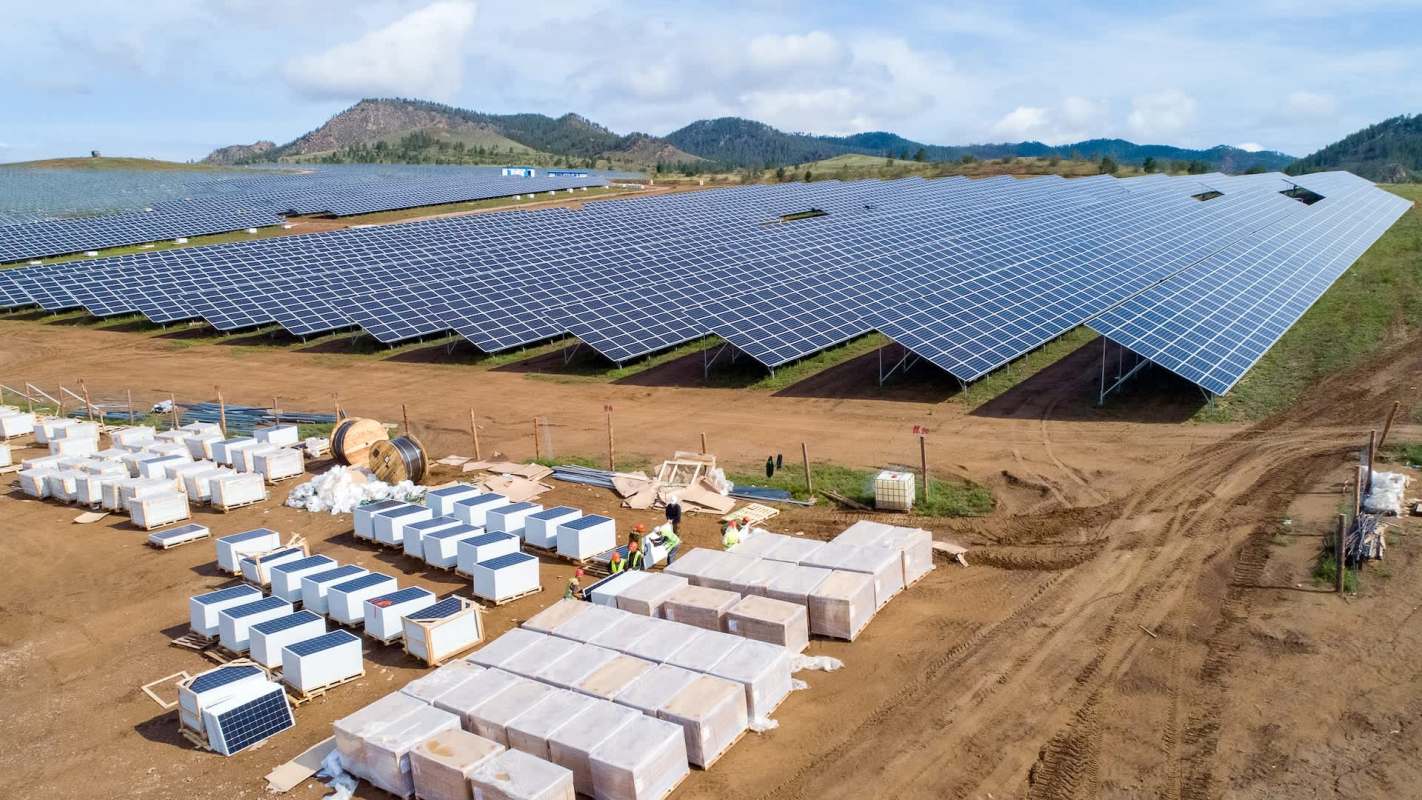
Solar is helping drive that shift and is growing quickly enough to challenge natural gas for the lead in installed capacity, Solar Power World reported.
What's happening?
Using U.S. Energy Information Administration figures, the SUN DAY Campaign found that power generated from renewable sources during the first five months of 2026 was more than 10% higher than in the same period the previous year.
As Solar Power World noted, that gain brought renewables to 30% of total U.S. electricity generation.
At the same time, conventional power sources moved in the opposite direction.
Coal generation fell 10.9%, and nuclear plus natural gas output together declined 3.8%, while utility-scale solar generation rose about 21% from the same stretch of 2025.
TCD Picks » Good Store Spotlight
Get 10% off your next purchase with code TCD10




According to the analysis, wind and solar combined now produce 57% more electricity than coal.
Over the 12 months from May 2025 to May 2026, utility-scale solar added nearly 28 gigawatts of capacity, while small-scale solar added another 6.6 gigawatts.
Battery storage is growing quickly as well.
Utility-scale energy storage added 16.5 gigawatts during that same period, helping make renewable electricity more reliable when sunlight and wind conditions are lower.
TCD Picks » Quince Spotlight
💡These best-sellers from Quince deliver affordable, sustainable luxury for all




Why does it matter?
As more renewable power comes onto the grid, it reduces pollution generated by coal, oil, and gas, improving air quality, public health, and the climate.
It can also help improve energy affordability over time.
Because solar and wind facilities do not require ongoing fuel purchases, they can help reduce fiscal exposure to the volatile coal and gas prices that often increase utility bills.
The SUN DAY Campaign expects that trend to continue through the end of May 2027, projecting 83 gigawatts of added renewable capacity while nuclear and fossil fuel sources together shrink by 4.7 gigawatts.
The power grid is shifting in ways that could influence everything from electricity costs to how communities handle rising temperatures and growing power demand.
What's being done?
Total renewable energy capacity added from May 2025 to May 2026 came in 41% above the comparable period a year earlier, according to the SUN DAY Campaign, indicating that developers are continuing to build despite policy headwinds.
Solar is supplying much of that growth, and the SUN DAY Campaign projects it could surpass natural gas in capacity in spring 2027.
Battery storage is an increasingly important part of that growth.
Expanding storage capacity makes it easier to save excess solar energy for later use, which can help stabilize the grid during evening demand spikes and reduce reliance on gas-fueled peaker plants.
Cleaner electricity is becoming more accessible even for residents who do not install rooftop panels or other equipment themselves.
As utilities continue adding renewables and storage, consumers could benefit from a grid that is cleaner, more modern, and less dependent on fuels with unpredictable costs.
"Notwithstanding all the roadblocks erected by the Trump administration, the growth of solar, wind and battery storage is actually accelerating, proving once again that one cannot stop an idea whose time has come," said Ken Bossong, executive director of the SUN DAY Campaign.

Get TCD's free newsletters for easy tips, smart advice, and a chance to earn $5,000 toward home upgrades. To see more stories like this one, change your Google preferences here.