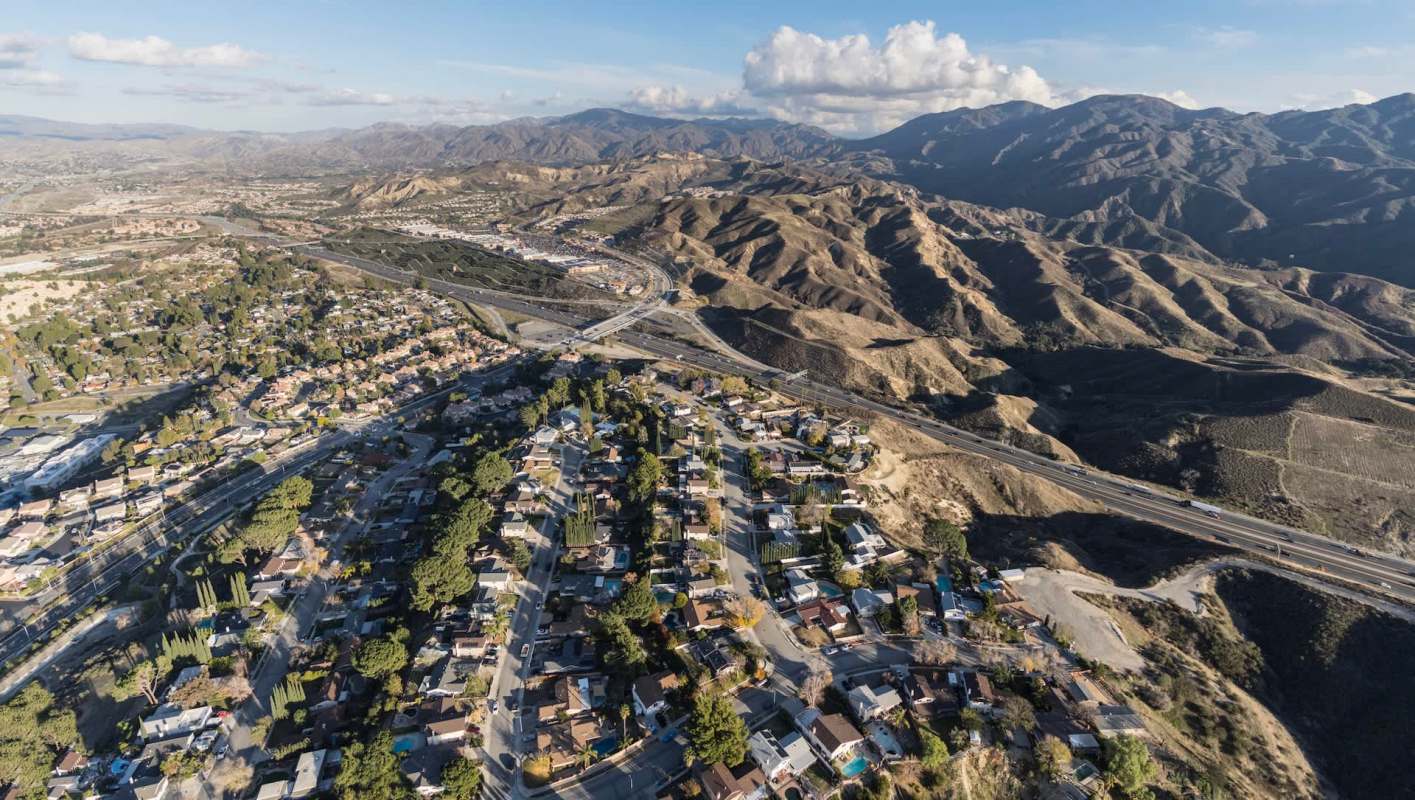
Devastating wildfires in Los Angeles — including the Eaton and Palisades Fires in early 2025 — have reduced entire neighborhoods to ash, twisted metal, and broken concrete.
In an effort to help these decimated communities recover, the Army Corps of Engineers launched a large-scale recycling operation to salvage materials from the rubble.
Through the effort, salvaged metal is compacted and then melted down for reuse in construction or manufacturing. Concrete is crushed and repurposed as aggregate for new projects. Even fallen trees are processed into lumber for rebuilding efforts or turned into mulch to enrich soil.
These recycling efforts not only keep debris out of landfills but also help meet the demand for raw materials. Many of the items can also become reusable building materials.
"A lot of this material can be reused in future construction, and that's just good for the environment," Army Corps Col. Sonny Avichal, commander for the Eaton Fire, told the Associated Press. "And so there is definitely this notion of, you know, a lot of the stuff that we're able to recover will actually come back and help rebuild Altadena."
Recycling is especially impactful in the case of steel and concrete, two of the world's most polluting industries. As the AP noted, the steel industry produces an estimated 8% of global carbon pollution. Recycling steel helps lessen that impact while still maintaining a top-quality product. In fact, the American Iron and Steel Institute observed that recycling steel doesn't lessen its quality at all.
Stay hydrated and refreshed this holiday season — without any sugar or harmful additives Nuun’s zero-sugar hydration tablets are a perfect, guilt-free way to enhance your water throughout the day. You’ll get five essential electrolytes for everyday hydration — with zero grams of sugar. Plus, Nuun tablets are certified vegan and gluten-free, and they’re the perfect size to keep in your car, purse, or anywhere you'll want a healthy, restorative drink. Learn more → |

"Steel is infinitely recyclable," Global Steel Climate Council Executive Director Adina Renee Adler told the AP. "It is, in fact, the most recycled material out of everything that we have."
The cement industry also accounts for about 8% of global carbon pollution, according to the World Economic Forum. Dirty fuels such as coal are needed to create cement, which joins water, sand, and stone to create concrete. While recycling concrete doesn't lower the material's carbon footprint, recycled concrete can be turned into aggregate. This aggregate can then be used as the sand and stone component of concrete, helping to lower the resource extraction needed to create concrete. Recycling concrete also keeps waste from going to landfills.
For survivors, these recycling programs represent more than just environmental progress — they bring hope during a devastating time, as salvaged materials become the building blocks of rebuilding.
"It's fantastic. It's absolutely fantastic," Eaton Fire survivor Candace Frazee told the AP of the recycling effort. "That's the right thing to do."
TCD Picks » Upway Spotlight
💡Upway makes it easy to find discounts of up to 60% on premium e-bike brands


|
Which of these factors would most effectively motivate you to recycle old clothes and electronics?
Click your choice to see results and speak your mind. |
 Giving me money back 💰
Join our free newsletter for weekly updates on the latest innovations improving our lives and shaping our future, and don't miss this cool list of easy ways to help yourself while helping the planet.
Cool Picks