


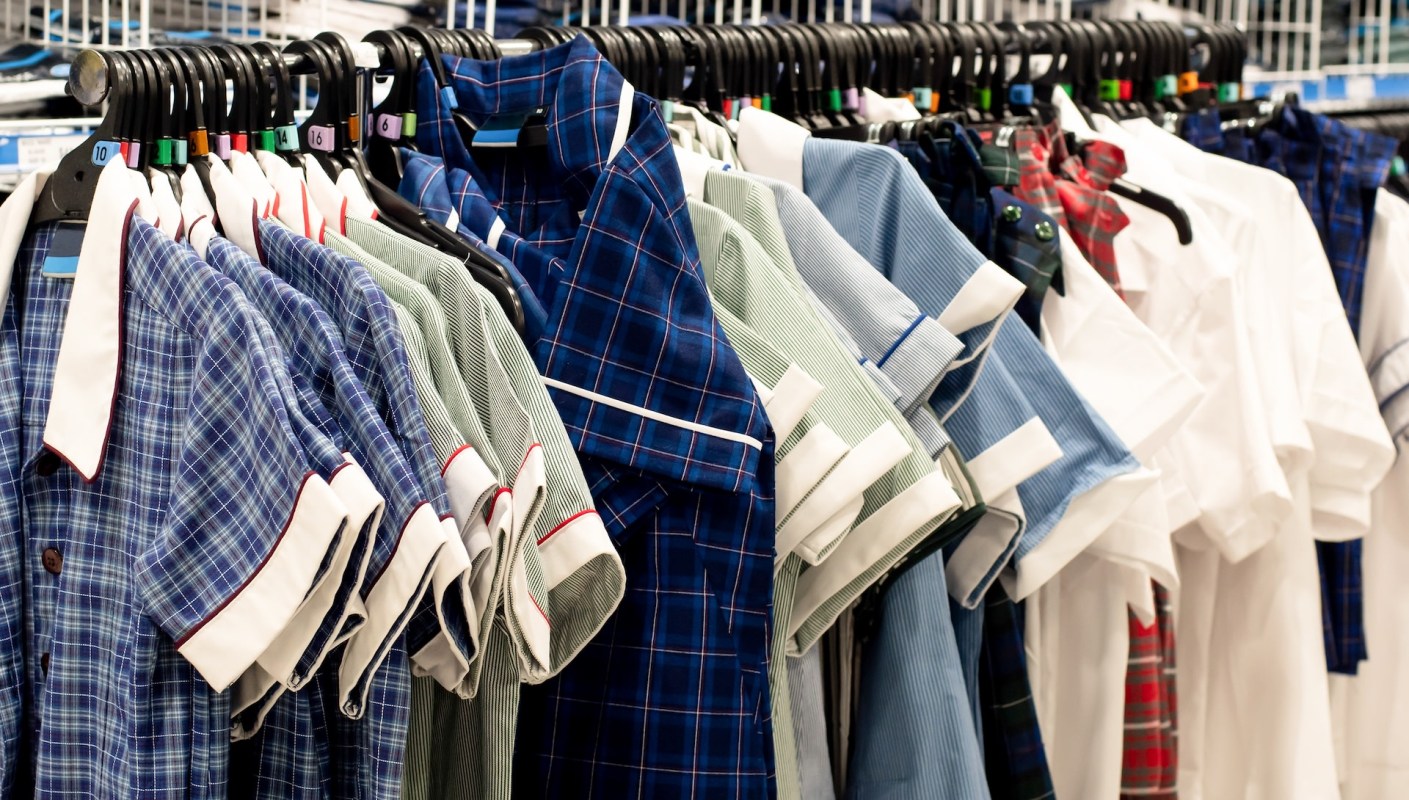
What began as a home science project during COVID-19 lockdowns has sparked debate over the presence of plastic in synthetic fabrics around the world.
When Hugo Keane decided to investigate how many microplastic fibers his school uniform shed in the wash, he had no idea what he was getting himself into.
"It was kind of a family pandemic project," Alexandra Milenov, Hugo's mom, told the Guardian. "He sat down with my husband and did the calculations on the microplastic release of three items of his uniform: the blazer, the P.E. T-shirt and the shorts."
What they discovered would help ignite a global discussion over the use of petroleum-derived materials in clothing, particularly for children.
What's happening?
Originally invented in Britain in the 1940s, petroleum-based polyester was once described as "the miracle fabric," according to the Guardian.
By 2023, polyester had become the most commonly used textile in the world, with more polyester textiles produced each year than all other materials combined. In that year, global polyester production reached over 78 million tonnes (86 million tons), accounting for 57% of all textiles made, according to Textile Exchange.
'Polyester is, in fact, the most-used synthetic fabric globally," said Melis Duyar, an associate professor in chemical and process engineering at the University of Surrey, according to the Guardian. "Since there is no need to grow the fibers needed to make this fabric, it can be made cheaply and quickly in vast quantities, which is why it has become the fabric of choice for the fast fashion industry."
For a material that so quickly came to dominate the global textile industry, which has existed for centuries if not millennia, polyester has faced surprisingly little scrutiny. Despite its widespread use, relatively little is widely known about polyester's impact on human bodies and the environment.
Stuck at home during the COVID-19 pandemic, Keane sought to change this.
Using data from a University of Plymouth study that found that 1 gram of polyester clothing could shed as many as 4,000 microplastic fibers during a single wash, Keane and his dad calculated that, in one year, the school uniforms worn by 125 students would shed a staggering 6.4 billion plastic fibers, according to the Guardian.
TCD Picks » Quince Spotlight
💡These best-sellers from Quince deliver affordable, sustainable luxury for all




|
What should the government do about the fast fashion industry?
Click your choice to see results and speak your mind. |
 Set strict regulations 🚫
 Why does polyester matter?
Polyester has long posed a serious, though underacknowledged, threat to the environment and public health.
A 2019 study found that synthetic textiles like polyester were responsible for over a third of all microplastic pollution in the world's oceans.
"Microplastics are particularly hard to remove from the environment and are easily ingested by organisms across the food chain," said Duyar, the University of Surrey researcher, according to the Guardian.
In addition to shedding microplastics in the wash or when discarded, polyester clothing also releases microplastic fibers during ordinary use. These microplastics then find their way onto people's skin and even into their lungs.
"There is already now more than enough evidence that shows that polyester also releases microplastics, and by rubbing and using it on a daily basis you are inhaling the microplastics," said Nazia Habib, a mother and University of Cambridge professor, according to the Guardian.
Adding to the potential health risks of polyester is the fact that the material often is coated with chemicals to make it more flame-retardant or water-resistant, for example. These chemicals leach off of clothing and onto human bodies.
"We see in a lot of childrenswear especially, that we put a lot more into it than we would potentially on other products," warned David Megson of Manchester Metropolitan University, as quoted by the Guardian.
What's being done about the health risks of polyester clothing?
The first step in reducing the health risks of polyester has been raising awareness about these potential harms in the first place. Advocates such as Hugo Keane have helped this movement gain significant momentum.
After learning about the problems that polyester clothing has long posed for human health and the environment, Keane sought permission to no longer wear his school's mandatory polyester uniform. After some pushback from administrators, Keane was granted an exemption on the basis of his personal beliefs, giving him permission not to wear his uniform for reasons of a "sustainability ethical issue," according to the Guardian.
To reduce the use of polyester in your own life, you can pay more attention to the types of materials used in the clothing that you and your family purchase and wear. Buying clothing, bedding, and other products made from natural rather than synthetic fibers helps reduce the amount of microplastics that end up in our bodies and environment while also incentivizing companies to use more natural materials.

Join our free newsletter for weekly updates on the latest innovations improving our lives and shaping our future, and don't miss this cool list of easy ways to help yourself while helping the planet.
Cool Picks





