


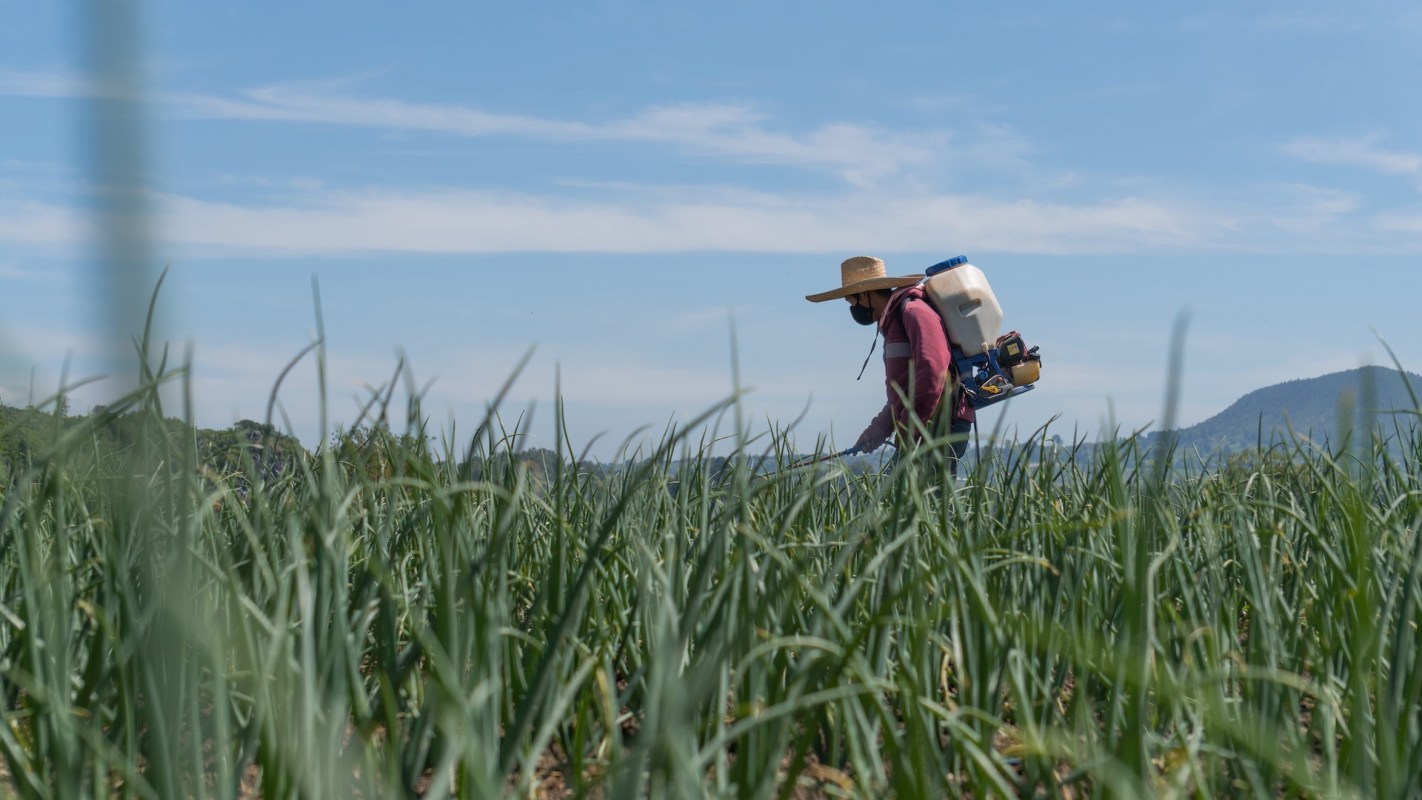
Millions of dollars in funding have been cut for research into the effects "forever chemicals" have on United States farms, worrying critics about the future safety of our food supply and farm workers.
What's happening?
Nearly $15 million in research into the effects of PFAS on United States farms has been eliminated by the Trump administration, The Guardian reports.
The money had been allocated for 10 studies across the country about how PFAS, toxic substances known as "forever chemicals," contaminate crops and livestock on farms, as well as nearby water sources. These chemicals are often found in pesticides used on U.S. farms and in sewage sludge from wastewater plants, which is commonly used as farmland fertilizer.
The decision is "not just stupid, it's evil," Kyla Bennett, science director with Public Employees for Environmental Responsibility, told The Guardian. "Cutting funding into research on how these toxic chemicals get into our food will doom us to decades or even hundreds of years more of exposure."
Why are PFAS important?
PFAS are labeled as "forever chemicals" because they take hundreds or thousands of years to break down.
Frequently found in everyday items such as nonstick cookware, stain-resistant clothing, and cosmetics, these chemicals seep into our air, water, food, and bodies. They've been linked to health problems such as cancer and decreased fertility.
The prevalence of PFAS on farmland has become a bigger concern in recent years, thanks in large part to toxic sludge.
This sludge is created out of solids that get separated out during wastewater treatment and has long been touted as a sustainable, inexpensive fertilizer. But new reports show that the sludge actually contains high levels of PFAS, which can transfer into the animals used by these farms for eggs, milk, and meat.
That contamination isn't limited to food and livestock. In Maine, many farmers are worried about their families' health after discovering high levels of PFAS in their blood.
What's being done about PFAS?
This farmland research project was killed in May by the Trump administration and the Elon Musk-led Department of Government Efficiency, but two of the studies have since received funding, The Guardian reports.
TCD Picks » Quince Spotlight
💡These best-sellers from Quince deliver affordable, sustainable luxury for all




|
Do you worry about having toxic forever chemicals in your home?
Click your choice to see results and speak your mind. |
 Majorly 😥
 In recent years, many proposed bills would have placed restrictions on PFAS use. But chemical companies have reportedly spent more than $100 million in lobbying fees to block the vast majority of that legislation.
Even if governments won't stop the use of PFAS, individuals can take actions to reduce their exposure. Avoiding non-stick cookware and single-use plastic water bottles is a good start, and growing your own food is a cost-effective way to eat produce free of pesticides and toxic sludge.

Join our free newsletter for weekly updates on the latest innovations improving our lives and shaping our future, and don't miss this cool list of easy ways to help yourself while helping the planet.
Cool Picks





