


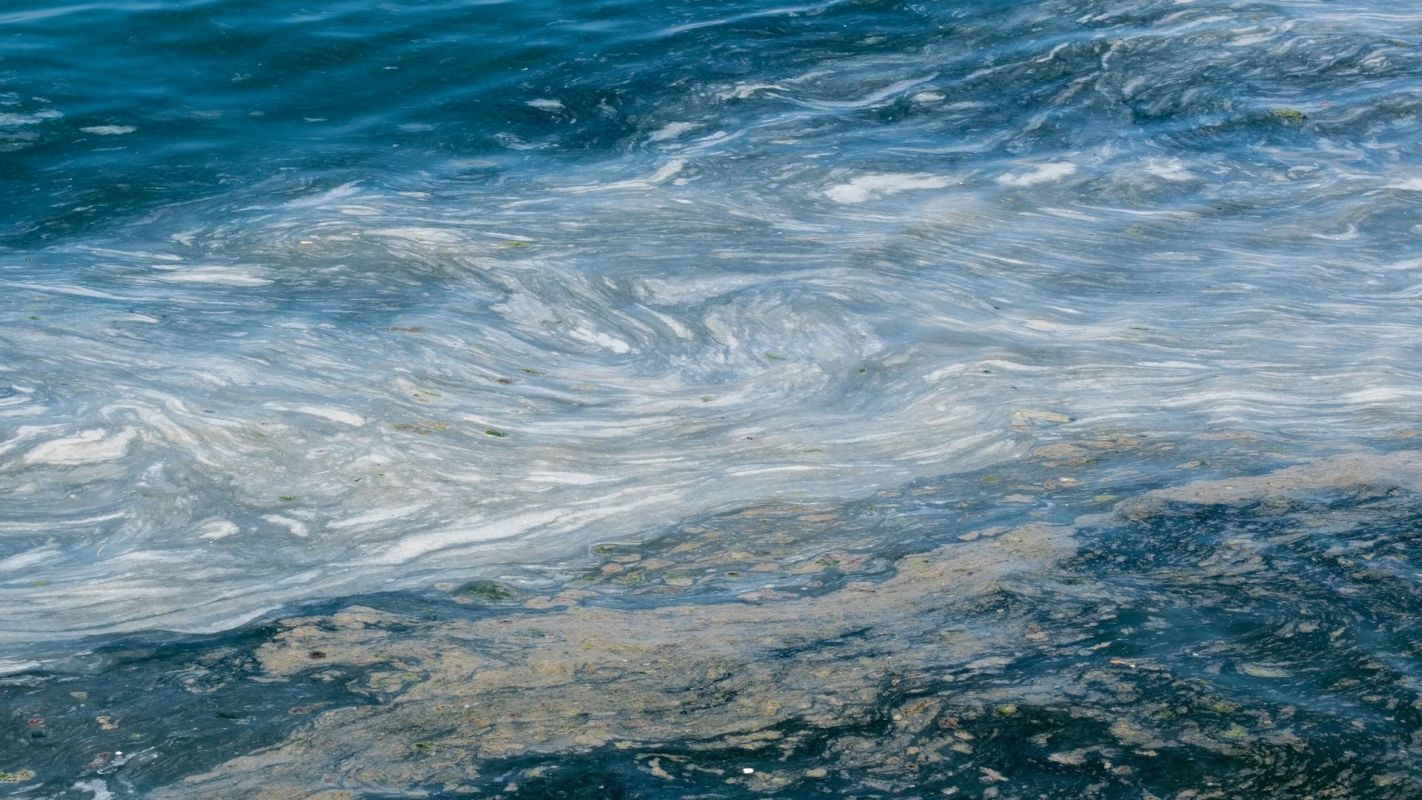
Scientists have discovered an enzyme that allows bacteria to break down and digest plastic, and it is already abundant in our oceans.
A new study from researchers at King Abdullah University of Science and Technology highlights the abundance of these bacteria and the process through which they can break down polyethylene terephthalate — better known as PET, a common plastic used in polyester, packaging, and more. The study looked at 415 ocean samples, and nearly 80% had some kind of PET-degrading enzyme, or PETase, identified by the M5 motif.
SciTech Daily reported on these findings, highlighting insights from Carlos Duarte, a marine ecologist who co-led the study.
Duarte explained, "The M5 motif acts like a fingerprint that tells us when a PETase is likely to be functional, able to break down PET plastic. Its discovery helps us understand how these enzymes evolved from other hydrocarbon-degrading enzymes. In the ocean, where carbon is scarce, microbes seem to have fine-tuned these enzymes to make use of this new, human-made carbon source: plastic."
He suggested that these enzymes are an evolutionary response to the plastic waste that has been appearing in the ocean since the 1950s. Plastic litter has been building up on land and at sea since its introduction over 70 years ago, and concern about its impact on ocean ecosystems has been growing alongside it.
Not only does plastic pollution raise concerns for nature and our planet, but it also affects human health. Microplastics are found in everything from our water and food to our blood and brains, raising risks for multiple health issues like cardiovascular disease and asthma.
TCD Picks » Quince Spotlight
💡These best-sellers from Quince deliver affordable, sustainable luxury for all




Until 2016, scientists did not believe that PET could be broken down naturally, and until now, they were not sure if these enzymes were widespread. These findings bring immense hope for the tons of plastic waste floating around our oceans, but also for the disposal of plastic waste.
"The range of PET-degrading enzymes spontaneously evolved in the deep sea provides models to be optimized in the lab for use in efficiently degrading plastics in treatment plants and, eventually, at home," Duarte said.
Though PETase enzymes could be a beacon of hope for the problems plastic causes after its use, the production of these products also poses major risks to people and the planet. Reducing plastic production and consumption, and using best practices for disposal, is still critical to protecting people, communities, and our planet.
|
How concerned are you about the plastic waste in our oceans? Click your choice to see results and speak your mind. |
 Extremely 😫
Join our free newsletter for weekly updates on the latest innovations improving our lives and shaping our future, and don't miss this cool list of easy ways to help yourself while helping the planet.






