


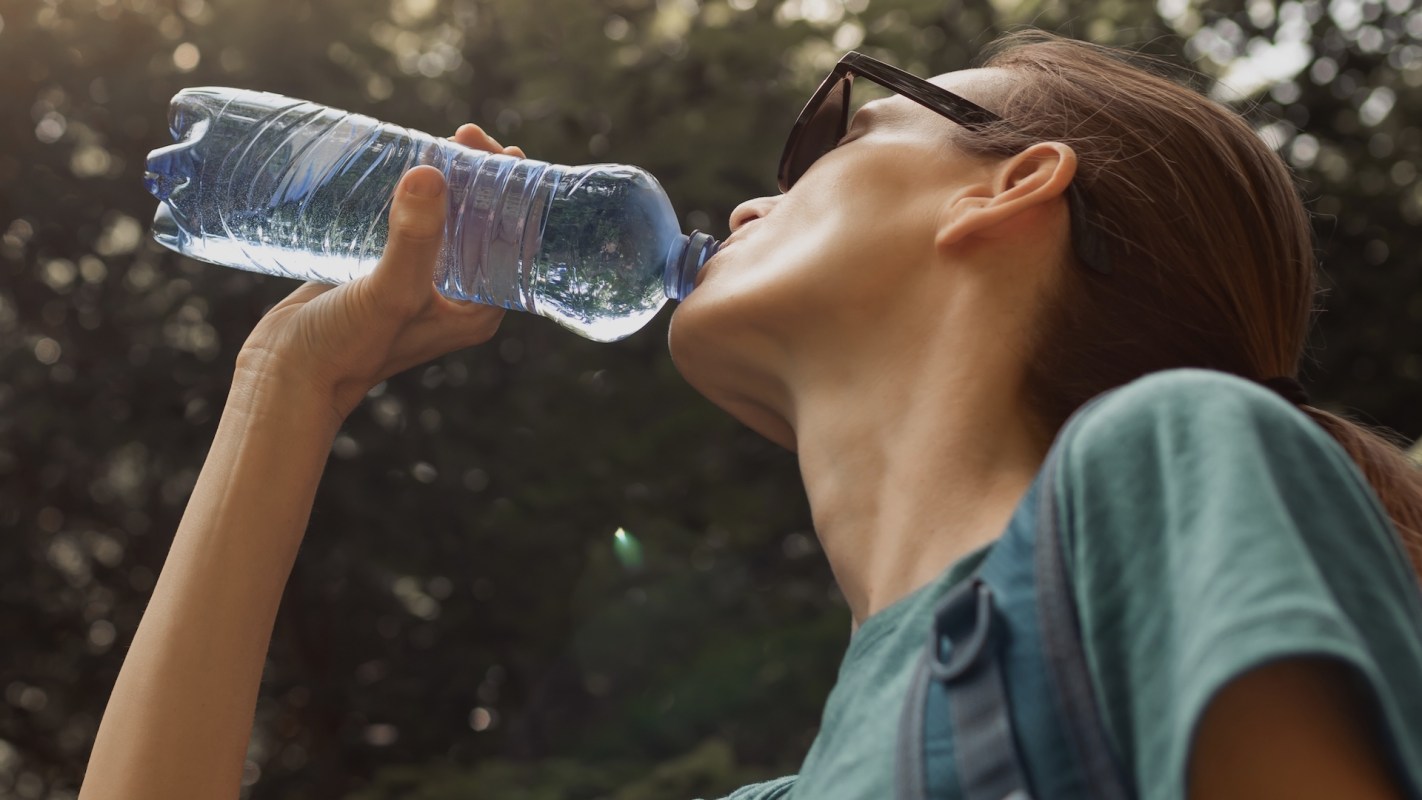
A new study strongly suggests that microplastics, found in plastic bottles and other everyday items, are linked to pancreatic damage.
What's happening?
The research, published in the BMC Genomics journal, showed that small particles of polyethylene terephthalate plastic, or PET, had damaging effects on pigs' pancreatic cells. Researchers from Poland and Spain used pigs because of their physiological similarities to humans in pancreatic function and metabolism, as The Independent explained.
The pigs were treated with a low or high dosage to track the differences in results. Their findings revealed that varying concentrations of PET particles led to changes in protein abundance within the pancreas. Unsurprisingly, higher doses cause more significant effects by altering 17 proteins versus seven for the lower dosage.
The PET exposure also led to an increase in fat accumulation and inflammation in the pancreas, suggesting potential metabolic disruptions. Put together, all these impacts could translate to direct damage to the pancreas in humans with microplastic exposure.
Why is PET's link to pancreatic damage important?
As the researchers noted, we're still early in our understanding of the perils of microplastics such as PET.
"Microplastics are a relatively new discovered environmental hazard that can contribute to the disruption of many physiological processes in the organism," they noted. While there were signs from other research that they interfered with pancreatic function, this study went the furthest in showing that the connection is real — at least in pigs.
The study adds to the growing reasons to be concerned about microplastics. A number of other impacts include hormone disruptions, fertility issues, gut problems, and cancer. Considering how widespread PET plastic — which includes water bottles — is, these risks are affecting a huge amount of people.
Meanwhile, the environmental impact of plastic waste is well-documented. Items such as plastic water bottles contribute significantly to global pollution, harming marine life and ecosystems. As plastics break down, they release toxins that can enter food chains and water sources, affecting human health.
What's being done about the health risks of PET plastic exposure?
As more and more evidence emerges that PET plastic is linked to negative health outcomes, experts and scientists are urging consumers and lawmakers to curb plastic usage. This latest study adds to the momentum for policy changes to restrict plastic usage and further research to illuminate more of the risks.
Proactive moves include finding alternatives to plastic packaging and enacting plastic water bottle bans.
TCD Picks » Quince Spotlight
💡These best-sellers from Quince deliver affordable, sustainable luxury for all




For consumers, an easy fix is to ditch plastic water bottles for reusable ones. Finding ways to avoid using plastic cutlery, keeping food out of plastic containers, and never heating food or drinks in plastic are other ways to reduce your risk.
|
Do you think America has a plastic waste problem? Click your choice to see results and speak your mind. |
 Definitely 👍
Get TCD's free newsletters for easy tips to save more, waste less, and make smarter choices — and earn up to $5,000 toward clean upgrades in TCD's exclusive Rewards Club.
Cool Picks





