


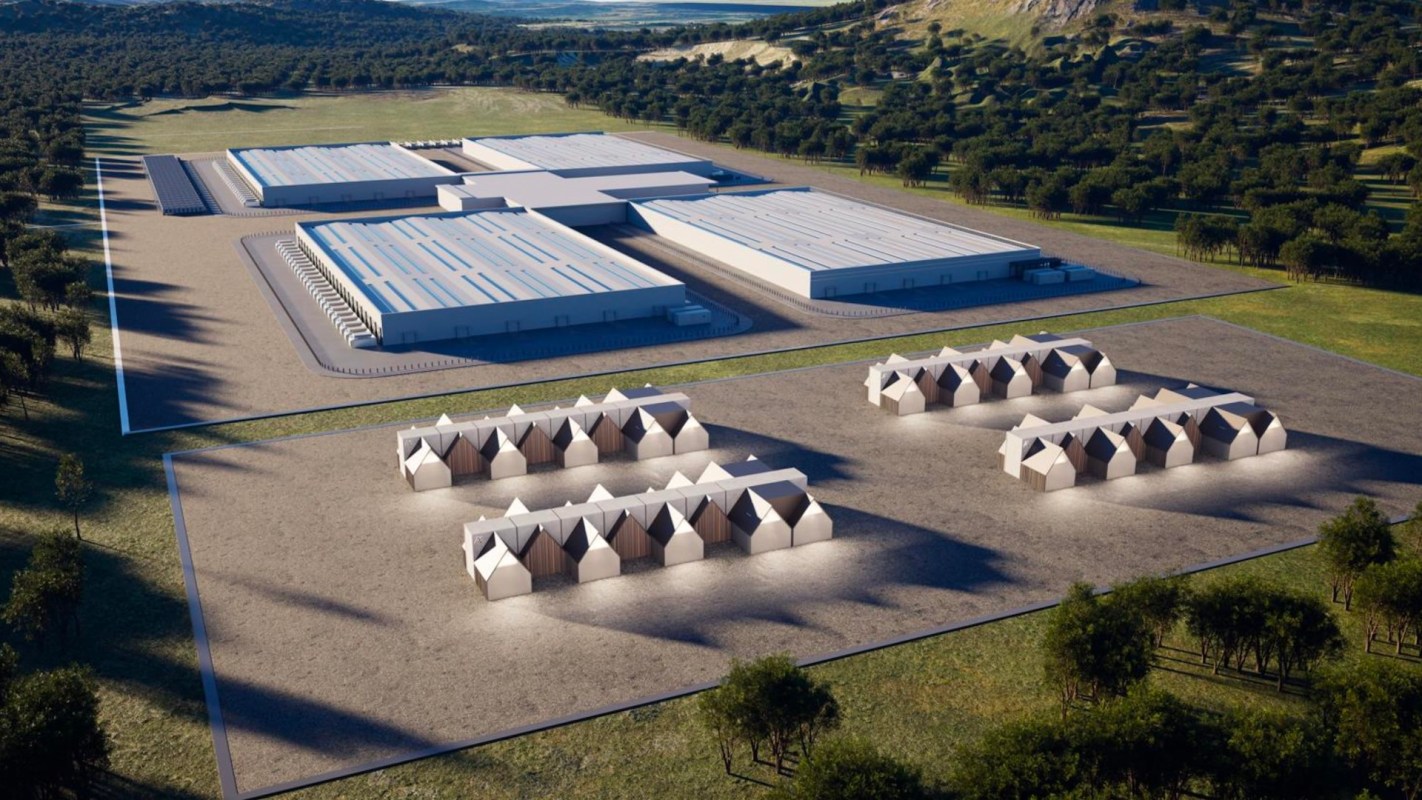
The U.S. is betting big on nuclear power — and it wants three new fission reactors up and running in less than a year.
The Department of Energy recently launched its Nuclear Reactor Pilot Program, selecting 11 projects to fast-track through development. The goal is to see at least three test reactors reach criticality — meaning they become operational — by July 4, 2026. To fast-track the projects, the DOE is implementing its own authorization process rather than relying on traditional approval routes to streamline reactor testing and accelerate commercial licensing.
"President Trump's Reactor Pilot Program is a call to action," Deputy Secretary of Energy James P. Danly said in a White House statement. "These companies aim to all safely achieve criticality by Independence Day, and DOE will do everything we can to support their efforts."
Selected companies include Aalo Atomics, Antares Nuclear, Atomic Alchemy, Deep Fission, Last Energy, Oklo, Natura Resources, Radiant Industries, Terrestrial Energy, and Valar Atomics.
The DOE stated that these companies will still be responsible for all costs associated with designing, manufacturing, constructing, operating, and decommissioning their test reactors. However, through the program, companies will more easily unlock private funding for these costs — along with benefiting from the fast-tracked licensing process.
Currently, there are 54 nuclear power plants in 28 U.S. states. This accounts for about 19% of all electric power in the U.S., surpassing the combined contributions of wind and solar.
Nuclear fission energy plays an important yet complicated role in the future of climate action. To put it simply, fission involves the splitting of atoms, such as uranium, to make energy. Fission reactors can generate large amounts of cleaner energy from very little fuel, offering a steady power source that supports renewable energy sources like solar and wind. This reliability could help curb reliance on coal and gas, helping limit air pollution that harms human health and taxes the environment.
Still, nuclear power is not without challenges and considerations. Reactors produce radioactive waste that must be contained and stored for centuries, and any water exposed to reactor processes can carry radioactive isotopes such as tritium. As physicist Amory Lovins previously told The Cool Down, nuclear fission plants are also increasingly costly to develop. He highlights that solar and wind projects are better choices for grid-level energy production.
As for those 11 approved projects selected as part of the Nuclear Reactor Pilot Program, many rely on small modular reactor designs, a current favorite in fission. Research from Stanford University found that SMR designs could produce significantly more radioactive waste per unit of power than larger conventional reactors. Similarly, the Union of Concerned Scientists warns that many claims about SMRs being cheaper, safer, and less wasteful are overstated.
Nuclear is not a perfect clean energy solution, but it's also not one to be dismissed outright. Nuclear power could help reduce climate impacts if pursued with intention — and in tandem with renewable energy options such as wind and solar.
TCD Picks » Quince Spotlight
💡These best-sellers from Quince deliver affordable, sustainable luxury for all




While science catches up with the needs of our warming planet, nuclear fission could help reshape energy infrastructure, protect public health, and advance the transition to cleaner energy. And these 11 companies could offer a start in making that happen.
|
Which of these factors would most effectively convince you to support nuclear energy projects in your area? Click your choice to see results and speak your mind. |
 Lower energy bills 💸
Join our free newsletter for weekly updates on the latest innovations improving our lives and shaping our future, and don't miss this cool list of easy ways to help yourself while helping the planet.
Cool Picks





