


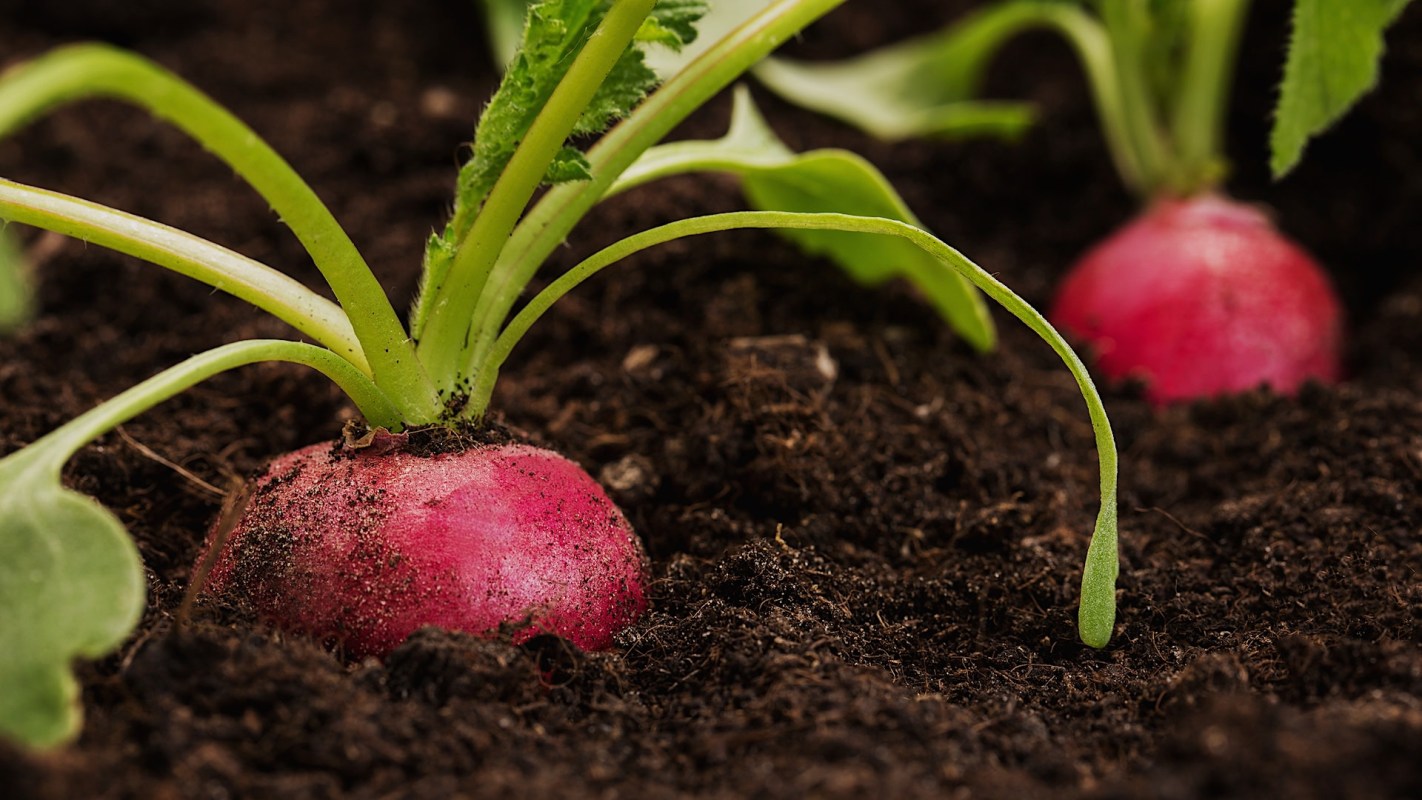
Microplastics are invading the environment, leaching toxic chemicals into the soil. However, the scope of microplastic pollution is more widespread than previously believed, as new research has revealed yet another disturbing side effect of these tiny particles.
What's happening?
The University of Plymouth reported a new study that shows how nanoplastics — tiny plastic particles — absorb into the vegetables we eat. Published in the journal Environmental Research, the research is the first set of data highlighting how plastic pollution can enter the edible parts of vegetables as they grow in the ground.
To understand the impact of nanoplastics on vegetables, the researchers exposed the "non-fleshy roots" of radishes to nanoplastic particles. According to the researchers, plants have a protective cover known as the Casparian strip that acts as a natural barrier blocking toxic particles.
However, the researchers found that after just five days, 5% of the nanoparticles had entered the plants, which equates "to millions of nanoplastics entering the crop." What's worse, 25% of those nanoplastics had also made their way up to the plant's edible parts, a finding that both surprised and concerned the researchers.
"This is the first time a study has demonstrated nanoplastic particles could get beyond that barrier, with the potential for them to accumulate within plants and be passed on to anything that consumes them," Dr. Nathaniel Clark told the university.
Why is the new study important?
The new research contributes to the growing body of evidence highlighting how microplastics infiltrate the environment, posing a threat to both the planet and public health.
As these tiny plastic particles accumulate in the soil and plants, they enter our food sources and eventually end up in our bodies. Experts have been sounding the alarm over microplastics, linking them to health problems, such as reproductive complications and cancer.
This particular study is especially concerning because the findings do not only pertain to nanoplastics in vegetables. "There is no reason to believe this is unique to this vegetable, with the clear possibility that nanoplastics are being absorbed into various types of produce being grown all over the world," Dr. Clark told the university.
What's being done about nanoplastic pollution?
Researchers are continuing to study microplastic pollution to better inform key stakeholders and drive legislative change. They're also discovering ways to remove microplastics directly from the soil using biochar, a type of agricultural waste.
From an individual standpoint, you can help combat microplastic pollution by decreasing your use of single-use plastics. Switching to a reusable water bottle and opting for natural food storage options are all simple lifestyle changes that can make a big difference over time.
TCD Picks » Quince Spotlight
💡These best-sellers from Quince deliver affordable, sustainable luxury for all




|
Do you worry about having toxic forever chemicals in your home?
Click your choice to see results and speak your mind. |
 Majorly 😥
Join our free newsletter for weekly updates on the latest innovations improving our lives and shaping our future, and don't miss this cool list of easy ways to help yourself while helping the planet.
Cool Picks





