


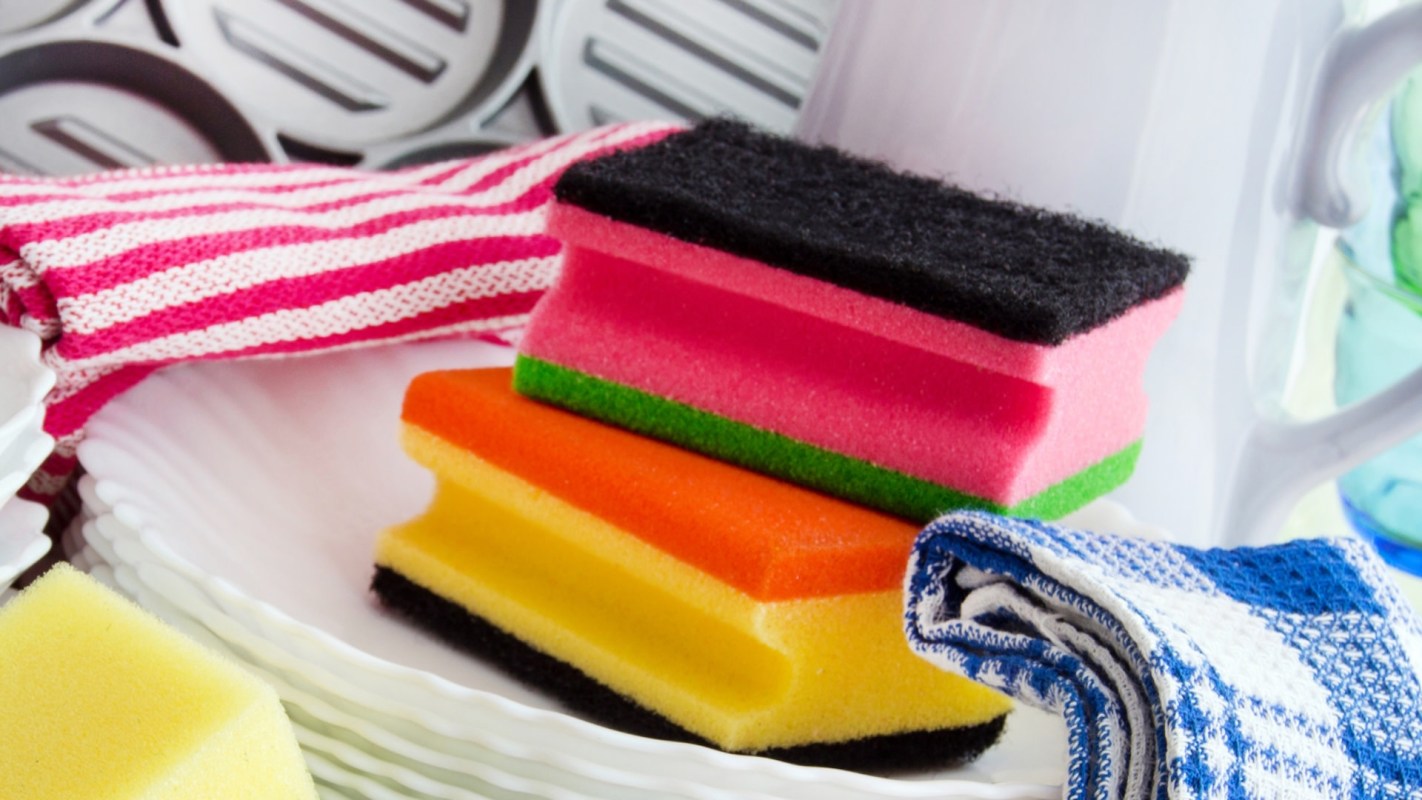
Melamine sponges, such as the Mr. Clean Magic Eraser brand, are great for lifting tough stains, but they're terrible for the environment.
A study by Chinese researchers has found that these sponges contribute more than 6 million fibers of microplastics per gram of worn-down sponge, SciTechDaily reported.
What's happening?
The "magic" behind melamine sponges is the plastic used to create the sponge. Poly(melamine-formaldehyde), also known as melamine formaldehyde or melamine resin, is a type of plastic polymer used in a wide range of applications, including adhesives, laminates, and automotive coatings. This plastic undergoes a synthesis and curing process to create melamine foam, which is what melamine sponges are made of.
The Chinese researchers set out to determine the true impact of these sponges on the environment by studying how many microplastics they shed.
The team of researchers bought several sponges from three popular brands of melamine sponges. They tested each sponge by rubbing them on textured metal surfaces, causing them to wear. They then measured the number of microplastic fibers released from the worn sponges and compared that to monthly sales for melamine sponges on online marketplaces like Amazon.
The researchers found that each melamine sponge, on average, released about 6.5 million fibers of microplastics per gram of worn-out sponge. Assuming 10% of each sponge's original size is used, the researchers estimated that more than 1.55 trillion fibers of microplastics were released into the environment from these sponges alone.
Perk up the winter blues with natural, hemp-derived gummies Camino's hemp-derived gummies naturally support balance and recovery without disrupting your routine, so you can enjoy reliable, consistent dosing without guesswork or habit-forming ingredients. Flavors like sparkling pear for social events and tropical-burst for recovery deliver a sophisticated, elevated taste experience — and orchard peach for balance offers everyday support for managing stress while staying clear-headed and elevated.
Learn more → |

Why are microplastics important?
Though we may not be able to see them, these tiny particles of plastic exist everywhere around us. Humans can breathe microplastics in from the surrounding environment, consume microplastics in food and water, and absorb associated toxins found in microplastics through the skin, such as by wearing synthetic clothing.
Now, with millions of microplastic fibers contaminating water supplies through wetting and using these sponges, microplastics are becoming even more deeply rooted in modern society.
Microplastics have been linked to harmful effects on human health, including an association with disability, an increased risk of lung and respiratory disease, and a heightened risk of disruptions to reproductive health.
Microplastics also impact wildlife, affecting feeding behaviors, stunting growth, and inducing inflammatory responses from exposure to microplastics, one study found.
TCD Picks » Upway Spotlight
💡Upway makes it easy to find discounts of up to 60% on premium e-bike brands





|
Do you worry about companies having too much of your personal data? Click your choice to see results and speak your mind. |
 Absolutely 👍
 What's being done about microplastics?
Fortunately, some modern solutions may help reduce microplastic buildup in our bodies and in bodies of water.
Experts are working on delivering a promising blood filtration system that may be able to filter microplastics from the human body by cycling the blood. Actor Orlando Bloom reportedly paid $13,000 for such a procedure, attempting to rid his body of these harmful plastic particles.
A startup based in the United Kingdom, Cleaner Seas Group, has developed a gray water filtration system that can connect to most home washers, helping to filter out microplastics from laundry water before they reach wastewater treatment sites.
Scientists have also found that anthocyanins, found mostly in nuts, fruit, and vegetables, may protect the reproductive system against the harmful effects of microplastics.

Join our free newsletter for weekly updates on the latest innovations improving our lives and shaping our future, and don't miss this cool list of easy ways to help yourself while helping the planet.
Cool Picks





