


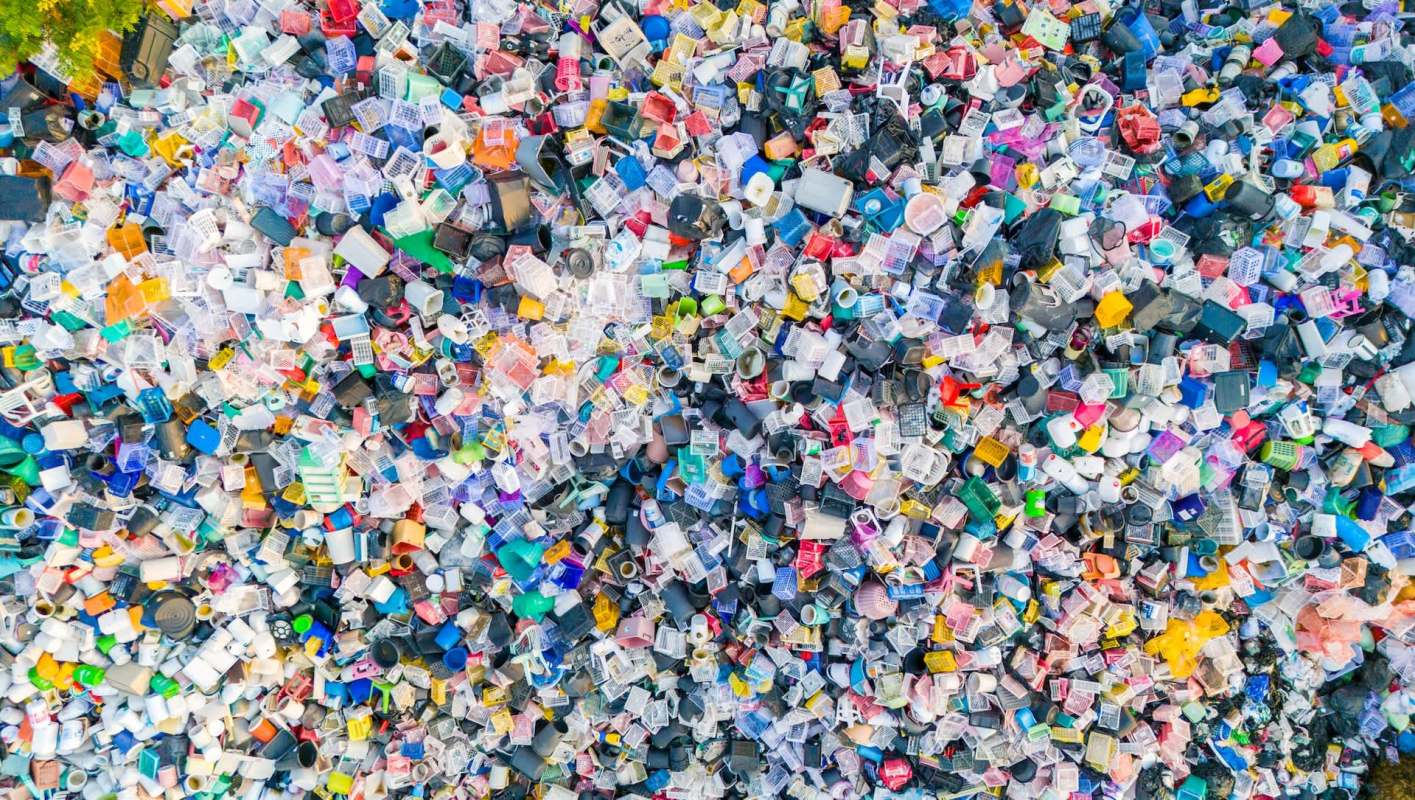
A new startup is revolutionizing how textile and plastic waste are recycled, cutting costs and improving efficiency. MacroCycle has developed a way to convert plastic and textile waste into polyester resins, or virgin-grade MacroCycle PET, as reported by TechCrunch.
Traditionally, plastic recycling involves a process that breaks down polymers, which are the chemical building blocks of plastic. However, this process is energy-intensive and has a significant carbon impact. MacroCycle has a completely different approach. Instead of breaking plastic polymers into smaller molecules, it turns polymers into rings known as macrocycles. Once any remaining contaminants are washed away, the macrocycles can be recycled.
The two minds behind this game-changing process are Jan-Georg Rosenboom and Stwart Peña Feliz. Their paths crossed at MIT. Rosenboom had developed a revolutionary method for recycling plastics. Peña Feliz, a former worker at Exxon's chemical recycling plant, saw the potential in Rosenboom's new recycling method.
"When I saw his technology, I thought it was too good to be true," Peña Feliz told TechCrunch.
Together, they teamed up and founded MacroCycle in the fall of 2022, further developing Rosenboom's technology and building it into a business. Now, MacroCycle's process uses 80% less energy than the process required to make virgin polyester, according to Peña Feliz. To put that number in context, other chemical recycling technologies use only 20-30% less, per TechCrunch.
Combatting textile and plastic waste is essential to ensure a safer, cleaner future. Each year, the world produces over 495 million tons of plastic waste, according to Our World in Data. That plastic waste ends up polluting our oceans and leaching toxic microplastics into our soil.
Furthermore, about 100 tons of clothing end up rotting in landfills each year, exacerbating the overheating of our planet, according to Earth.org. What's worse, only 0.5% of textile waste is recycled, noted TechCrunch.
Developing innovative ways for recycling plastic and textile waste is a necessity. MacroCycle not only helps reduce waste but also promotes the circular economy by creating usable fabrics from old garments. According to Peña Feliz, "MacroCycle is generating revenue from fashion brands interested in the technology."
Moving forward, MacroCycle is looking to expand its production. It's currently working on a larger reactor that will have the capacity to produce sets of materials about 220 pounds each.
"The bottom line drives a lot of innovation, and if you want to have players like ExxonMobil change the way they do things, it will not happen from the inside," Feliz Peña told TechCrunch. "I want to be able to create a technology so economically attractive that the opportunity cost is really high for them to not adopt this new type of solution."
TCD Picks » Quince Spotlight
💡These best-sellers from Quince deliver affordable, sustainable luxury for all




|
Do you think the construction industry is too wasteful? Click your choice to see results and speak your mind. |
 Definitely 👍
Get TCD's free newsletters for easy tips to save more, waste less, and make smarter choices — and earn up to $5,000 toward clean upgrades in TCD's exclusive Rewards Club.
Cool Picks





