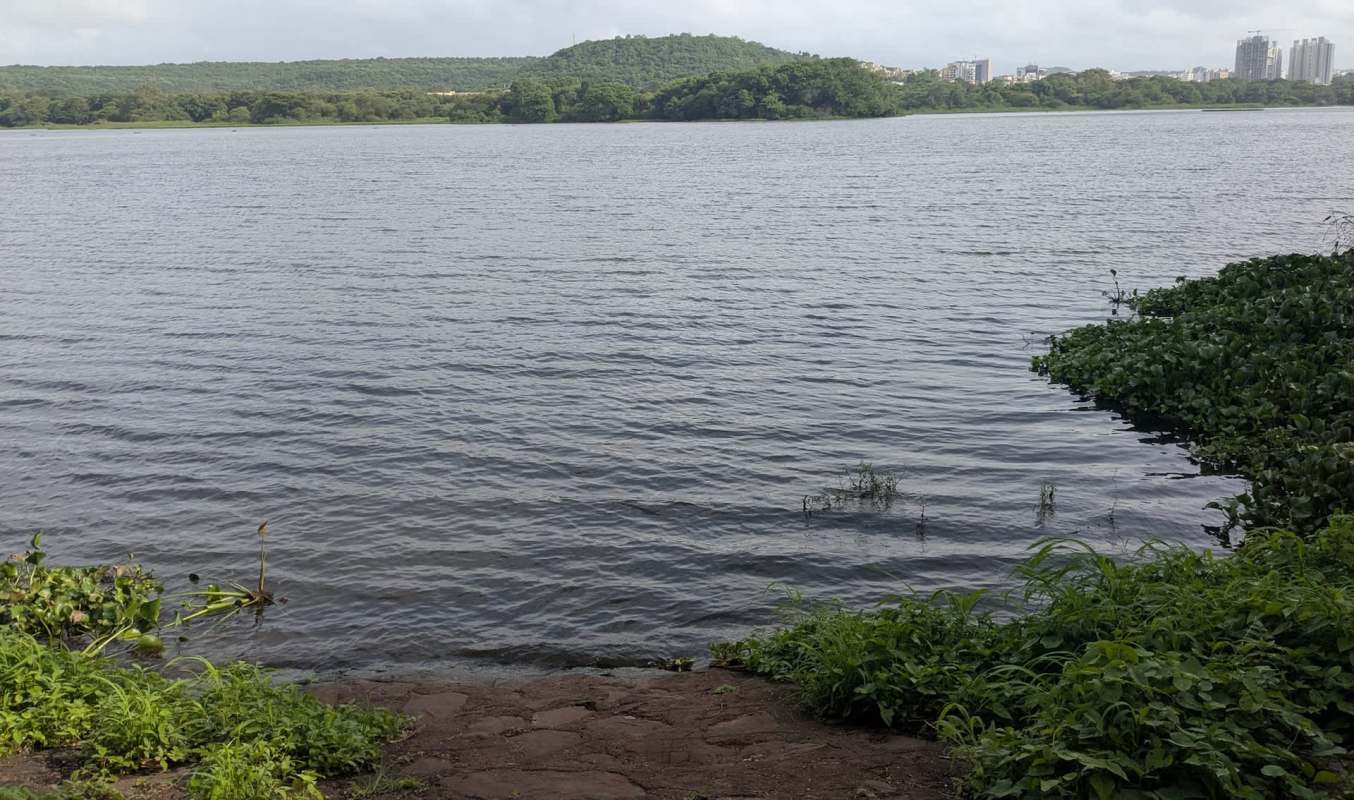
The Ujani reservoir in India, once celebrated for its high-quality freshwater fish, is now grappling with a very different catch: invasive species that are crowding out native life and threatening the incomes of fishing families.
What's happening?
At the Ujani reservoir, invasive suckermouth catfish, tilapia, and African catfish have spread through waters that once supported a strong native fish population and a thriving fishery.
The ecological damage has become so severe that the Bombay Natural History Society has launched a removal effort and native-restocking program, according to The Indian Express. The outlet described the effort as the country's first community-driven initiative of this kind.
Together, these foreign fish have reduced biodiversity, disrupted the reservoir's natural balance, and contributed to the collapse of local fish populations.
That has left thousands of fishermen facing an uncertain future. What started as an environmental problem has become a direct livelihood crisis.
Why does it matter?
Some of the damage happens at the earliest stage of a fish's life, as invasive species that consume eggs cut into native populations before they can hatch. Others crowd out local fish by taking over the food sources and habitat those species rely on, rapidly altering the ecosystem.
TCD Picks » Quince Spotlight
💡These best-sellers from Quince deliver affordable, sustainable luxury for all




Over time, that can mean fewer native fish, a less stable food web, and a harder path to recovery.
For people living around the reservoir, lower catches can mean less income, greater economic stress, and fewer reliable sources of local food.
Releasing aquarium species and other nonnative fish into natural waters can create both environmental and economic problems. What starts with a single unwanted pet can eventually become a crisis for an entire community.
What's being done?
The BNHS response ties conservation directly to community survival. Rather than treating the reservoir only as a wildlife issue, the initiative focuses on removing invasive species and helping restore native fish populations.
The Indian Express reported that the BNHS kicked off India's first community-driven suckermouth catfish collection center at the Bhigwan fish market on April 7. The initiative offers fishermen a financial incentive to catch and turn in the invasive fish rather than toss it.
Local communities know these waters best, and they also have the most at stake. A recovery plan that includes them is more likely to be sustained, practical, and beneficial for both biodiversity and household incomes.
Native-restocking efforts could help rebuild fish populations, while active removal may ease some of the pressure invasive species are putting on the reservoir. Even if recovery takes years, the program offers a model for other water bodies facing similar threats.

Get TCD's free newsletters for easy tips, smart advice, and a chance to earn $5,000 toward home upgrades. To see more stories like this one, change your Google preferences here.