


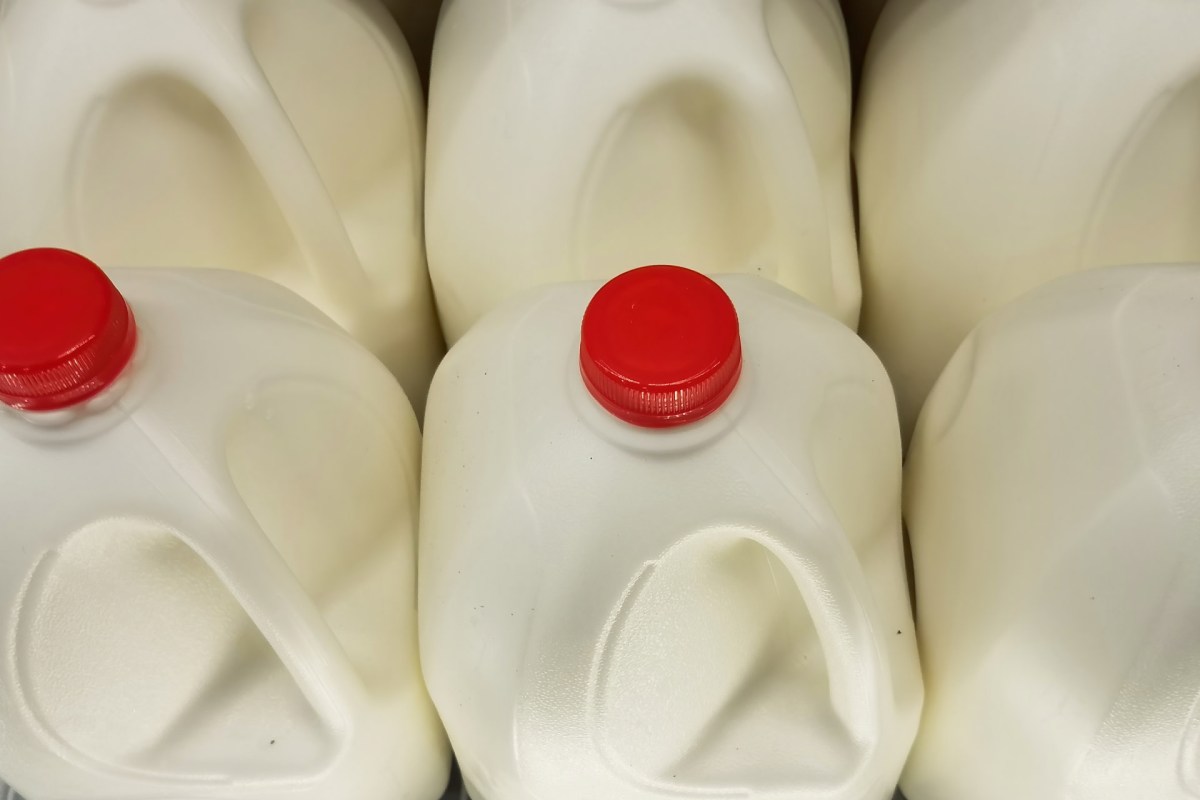
"Hydrocow" may sound like the name of an obscure and unlikely superhero, but scientists believe a project with this moniker could help save the planet.
AgFunderNews reported in December that a team of researchers is working to convert carbon dioxide and hydrogen into a nutritionally important whey protein found in cow's milk.
"We are modifying a hydrogen-oxidizing microbe to secrete milk proteins. This removes agriculture from the equation," Solar Foods told the news outlet. " ... We expect the hydrogen technology platform to be orders of magnitude more efficient and environmentally friendly compared to traditional animal-based dairy farming."
Researchers from the University of Groningen and RWTH Aachen University are collaborating with Solar Foods during the project, along with a subsidiary of Ginkgo Bioworks known as FGen AG.
Other companies have already had success making whey protein from sugars rather than carbon and hydrogen, as AgFunderNews pointed out, but researchers believe their method will lead to significantly less waste and pollution over time.
On its website, Hydrocow estimates that land and water use would be cut by as much as 99% compared to traditional dairy farming.
TCD Picks » Quince Spotlight
💡These best-sellers from Quince deliver affordable, sustainable luxury for all




"Hydrocow could lead to the creation of truly ground-breaking technology for the food," Solar Foods senior vice president and project coordinator Dr. Arttu Luukanen told Food Ingredients First in September.
While harvesting hydrogen does take electricity, using renewable energy sources to initiate the process that splits hydrogen from water would limit the negative environmental impact. Meanwhile, the carbon would be taken right from the air.
Researchers have described Hydrocow as a "high-risk, high-reward" venture, and some of the details are still being nailed down.
"The costs will depend on a huge number of factors including the source of the CO2 — how you capture it, how you feed it into the bioreactors," Dr. Andreas Meyer, FGen cofounder and senior foundry lead at Ginkgo Bioworks, told AgFunderNews, adding that sources of nitrogen, phosphorus, and mineral salts will need to be considered as well.
At this time, the project is using a "design, build, test, learn" philosophy, and the hope is researchers will be ready to move into the validation and production phases after four years.
"First, we are taking all the known literature, experiments and our own experience in identifying the elements that make a good protein secretor," Meyer said, noting that scientists will go through the four-step cycle "as many times as possible."

Join our free newsletter for weekly updates on the coolest innovations improving our lives and saving our planet.






