


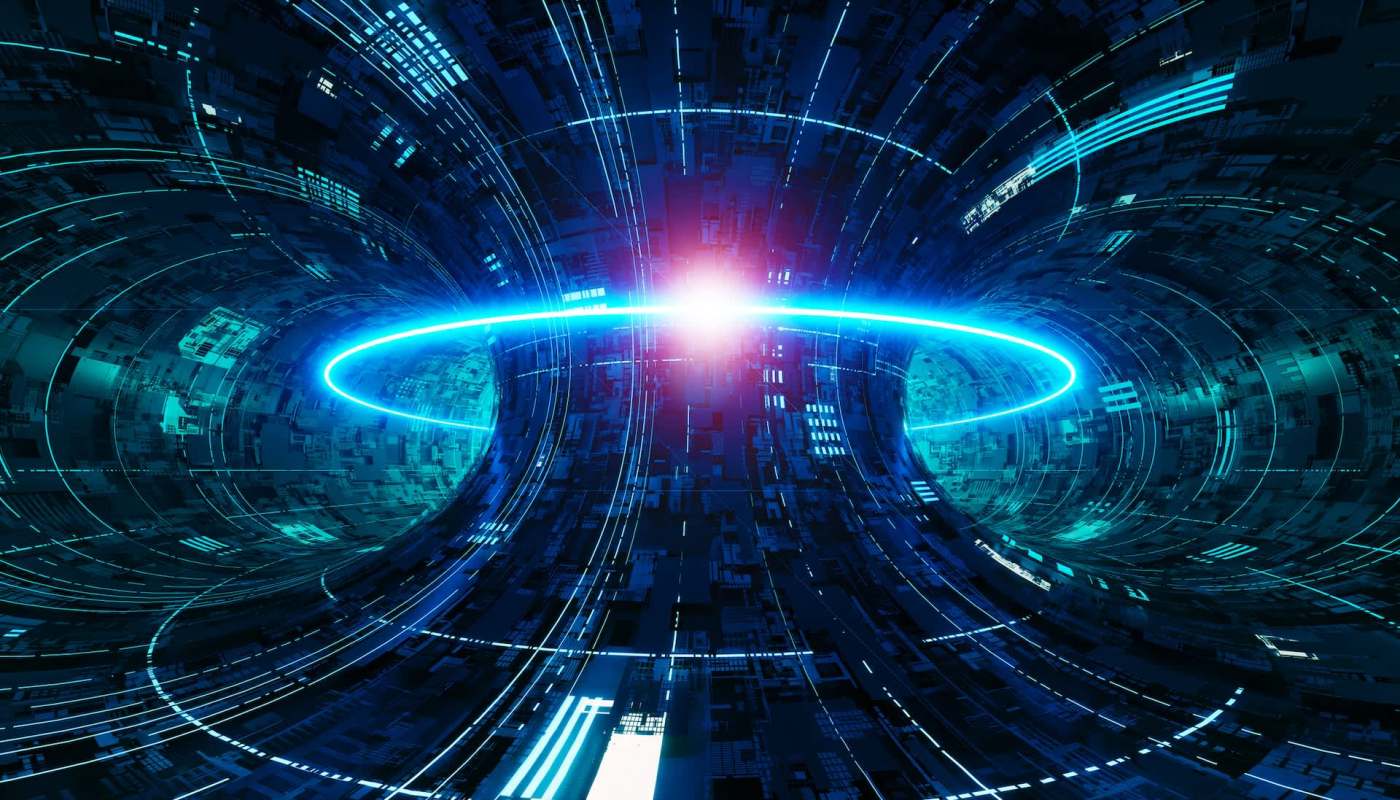
While still a vision for the future, we may be one step closer to fusion energy. CGTN reported that a research team in China has developed a system for tokamak plasma that could make this dream more viable.
Fusion energy, which occurs when two lighter atoms combine to form a heavier one, is sometimes called the "ultimate clean power," as it can release incredible amounts of energy without creating carbon pollution. Scientists have worked to harness fusion energy to recreate the process that powers the sun, which could, in theory, provide us with highly affordable, nearly limitless, cleaner energy.
Using fusion energy in this way is a dream for many. It would help eliminate reliance on dirty energy sources that release heat-trapping gases into Earth's atmosphere, which causes rising global temperatures. With a cleaner energy source such as fusion, the planet could become cooler, and our water and air could become cleaner, leading to fewer health issues in our communities.
Fusion energy can be generated with a variety of reactor designs, but the tokamak design (a doughnut-shaped reactor that uses magnetic fields to confine plasma) is one of the most promising. However, this reactor design has its downsides, the most significant of which is how to keep the plasma stable long enough to produce output.
Currently, controlling tokamak plasma relies on complex physics models and computationally intensive first-principles simulators, which make it difficult to train advanced controllers. To remedy this issue, a research team from the Southwestern Institute of Physics, in conjunction with Zhejiang Lab and Zhejiang University, designed a high-fidelity, data-driven model.
The researchers trained the newly developed data-driven control system on historical experimental data from China's most advanced tokamak reactor — the Huanliu-3. This new model combines AI techniques, such as long short-term memory networks, with scheduled sampling and self-attention mechanisms, which allow the model to avoid the errors often found in traditional simulations while still accurately predicting how key plasma parameters will evolve.
The system is a promising step forward in the world of fusion energy, and since fusion can not only provide cleaner, virtually limitless, and more affordable energy but also may potentially ensure food security and cleaner water for communities, this AI-driven data model could move us toward a cleaner, cooler world.
There are still some concerns that come with the use of nuclear energy, though, such as higher upfront costs that can often prove to be a barrier and the possibility of links to weapons proliferation.
However, unlike nuclear fission, fusion doesn't create any long-lasting radioactive waste. And considering nuclear energy can support energy security by producing significant amounts of low-carbon electricity while saving communities money, reducing pollution, and diversifying available sources of clean energy, the benefits may outweigh potential downsides.
For now, the Chinese research team tested this new model using the Huanliu-3 and found that the plasma system remained stable and adaptable, proving that the development could lead to a cooler, brighter future.
TCD Picks » Quince Spotlight
💡These best-sellers from Quince deliver affordable, sustainable luxury for all




|
Should we be pouring money into nuclear fusion technology? Click your choice to see results and speak your mind. |
 Yes — it'll pay off 👍
Join our free newsletter for weekly updates on the latest innovations improving our lives and shaping our future, and don't miss this cool list of easy ways to help yourself while helping the planet.
Cool Picks





