


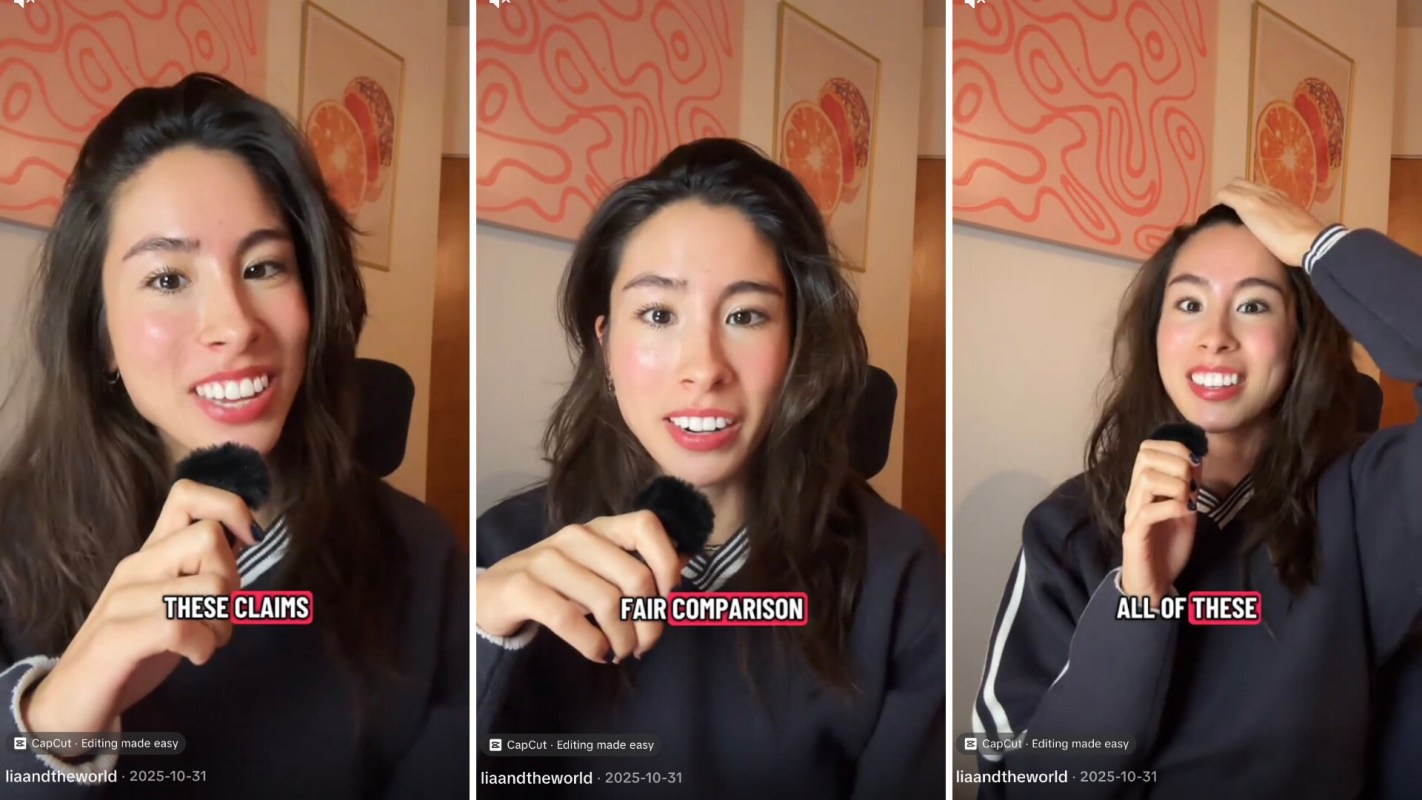
A former U.S. climate negotiator is calling out a claim that's been making the rounds online.
Former U.S. climate negotiator liaandtheworld (@liaandtheworld) posted a TikTok responding to content from Lucy Bickers, published by the Free Press.
@liaandtheworld @The Free Press and @Lucy claim that the worst heatwaves were in the 1930s and therefore we're living in milder times. This is truly like comparing apples 🍎 to gorillas 🦍 The Dust Bowl was a regional event caused by drought and bad land use management practices. Global average temperatures are higher today than in the 1930s, and heat waves are only worsening around the world. #takedown #thefreepress #climate #factcheck #climatescience ♬ Metamorphosis - Danilo Stankovic
In the video, the TikToker breaks down why comparing regional weather events to global temperature trends doesn't hold up.
"It's not a fair comparison to compare one region's historical extreme to global trends," she explains. "That's like comparing apples to gorillas."
Global mean surface temperatures today are higher than in the 1930s. Heat waves now are hotter, happen more often, and affect more places around the world. The Dust Bowl was indeed very hot, caused by prolonged drought paired with poor land management, like removing grass cover. But one extreme weather event in one U.S. region doesn't change the broader picture of a warming planet.
The negotiator responds to Bickers' claim that the worst heat waves in U.S. history occurred during the 1930s Dust Bowl, implying we're not living through the hottest period.
"I'm getting a bit tired of how extremely misleading all of these claims are," she says.
Looking ahead, liaandtheworld shares projections. If warming trends continue, by 2050, summers across much of the U.S. South and Midwest could become too hot to spend time outdoors for hours at a stretch. Cities like Atlanta, Dallas, and Washington, D.C. could see 40 to 70 days each year with temperatures exceeding 100 degrees Fahrenheit.
She suggests content like this from the Free Press and Lucy Bickers appears to be anti-climate action material, pointing to where their charts are sourced.
"Don't be fooled and don't be put into a false sense of safety because of them," she warns.
TCD Picks » Quince Spotlight
💡These best-sellers from Quince deliver affordable, sustainable luxury for all




|
Do you think America has a plastic waste problem? Click your choice to see results and speak your mind. |
 Definitely 👍
 Commenters didn't hold back when sharing their thoughts.
"People who deny something like this boggle my mind. like why do you care so much? if we think the earth needs to be saved, let us save it," one viewer wrote.
Another commenter with firsthand experience added, "When I lived in Atlanta years ago, during the heatwaves people usually waited to go to the store later in the day, since it was too hot to go outside. Coca-Cola installed mist sprayers around their HQ to help keep tourists from passing out in the heat. People getting heat stroke was actually a big problem during the summer. Hot/humid regions like this are going to be literally unlivable."

Get TCD's free newsletters for easy tips to save more, waste less, and make smarter choices — and earn up to $5,000 toward clean upgrades in TCD's exclusive Rewards Club.
Cool Picks





