


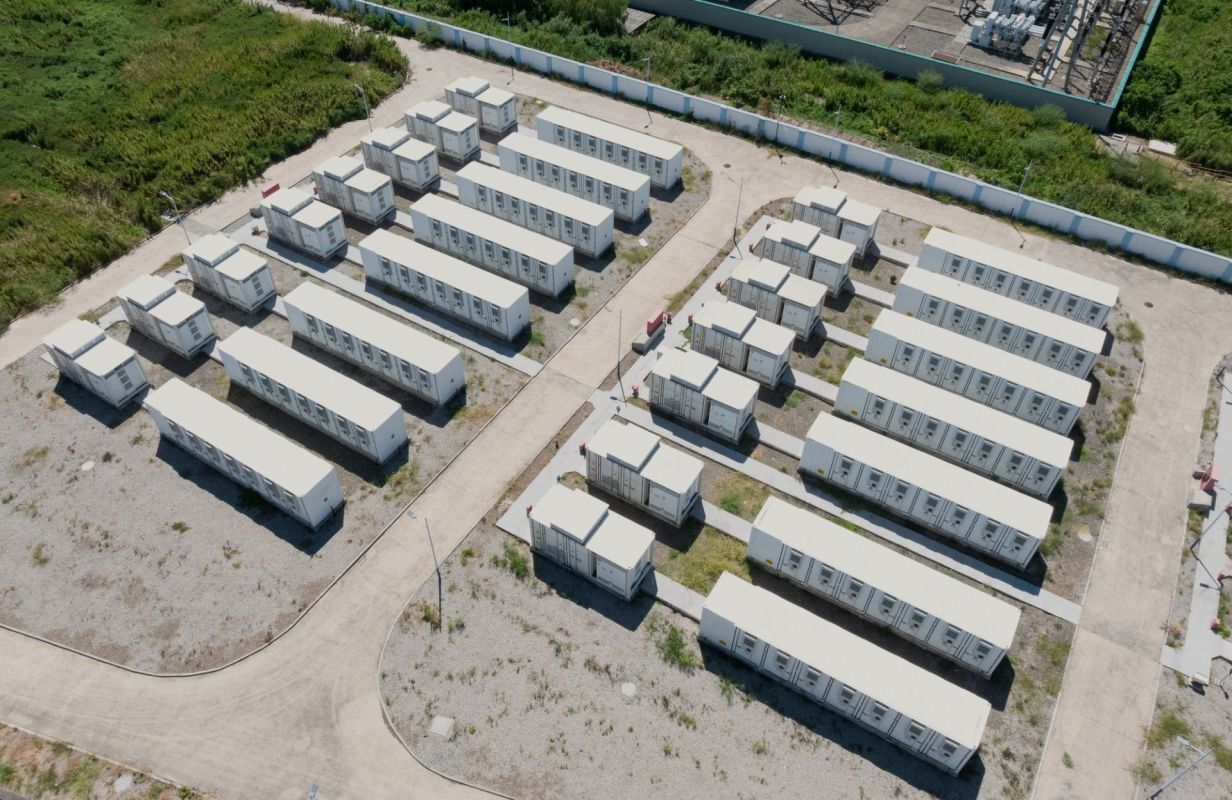
Batteries will soon be heralded for brain power, not size, according to experts from North Carolina's FlexGen.
PV Magazine bills FlexGen's technology as capable of shortening the wait time for battery storage projects to become money-earners.
That's because the company's HybridOS software is designed to manage solar farms, storage, and parts in between to ensure maximum efficiency. PV likened the tech to the conductor of a "vast digital orchestra" keeping all the parts aligned. In this case, the goal is to make batteries — crucial to the renewable energy shift — commonplace.
"One of the core details of our HybridOS is that it's fundamentally designed with flexibility in mind, making it intelligent and adaptable to constantly changing power markets," FlexGen Chief Technology Officer Hugh Scott told PV.
HybridOS can factor in sun availability and human electricity demand to provide optimum management down to the battery-cell level because it's wired into a project's control system. The tech also speeds up development by shortening the time between commissioning and profit-making operations to four days instead of the typical 40.
Battery storage is part of grid-level projects, as well as home-based systems. It all starts with converting sunlight into electricity, and then using it or storing it for later, depending on grid demand, utility pricing, and other factors.
Scott told PV that grid use often creates a "four-hour problem," which batteries are built to address because of the time frame within which the stored energy can be delivered. Electricity stored during the day can help to meet peak, evening-hour demand, for example.
Importantly, renewable energy limits dependence on dirty fuels that spew heat-trapping air pollution, which continues to be breathed by nearly everyone on Earth, causing respiratory and cardiovascular health concerns, according to the World Health Organization. Some studies have even linked air pollution to dementia risks.
FlexGen is also showing its malleability by entering the data center sector. Computing power needs are predicted by Goldman Sachs and others to increase by up to 165% next year, straining the grid further. A little flexibility in where electricity comes from on-site, governed by HybridOS, can free up capacity without disrupting the operations, PV reported.
At home, solar panels matched with batteries provide energy independence, reducing or eliminating electricity bills. The Cool Down's Solar Explorer is a trusted resource that can help you navigate the path by comparing quotes, finding the right installer, and securing valuable tax rebates that expire on Dec. 31.
TCD Picks » Quince Spotlight
💡These best-sellers from Quince deliver affordable, sustainable luxury for all




|
What's the biggest thing stopping you from going solar? Click your choice to see results and speak your mind. |
 The cost 💵
 Alternatives to buying — requiring no money down — are community solar and leasing. With community solar, customers subscribe to a nearby solar farm for energy, reducing pollution and saving money. Palmetto's LightReach leasing program (a Solar Explorer partner) is great for homeowners who plan to stay in their house for a while, as they lease panels and use all the electricity generated. Palmetto owns the tech and covers installation and maintenance. LightReach can help you save up to 20% on utility rates.
For FlexGen's part, HybridOS was launched in 2017, entering the solar space this year, according to PV.
"For more than a century, large power plants have carried the steady rhythm … Today, renewables like wind and solar have changed that rhythm entirely, marching to the beat of their own drum," PV's John Fitzgerald Weaver wrote.

💰Get TCD's free newsletters for easy tips to save more, waste less, and make smarter choices — and earn up to $5,000 toward clean upgrades in TCD's exclusive Rewards Club.
Cool Picks





