



Electric vehicles are not more fire-prone than cars with gas-powered engines. A series of electric school bus fires in Quebec made some people believe this information is false. But AFP Fact Check reported that multiple investigations and global research back this fact up.
The fires triggered a temporary pause of 1,200 Lion Electric buses in Quebec while investigators worked to determine the cause.
Transport Canada, the agency leading the investigation, emphasized that its current focus is on issues with the low-voltage heating systems, not the batteries themselves. Lion Electric, the bus manufacturer, also confirmed that "neither the electric battery nor the propulsion system was involved."
Online, however, several posts used images of the fires to argue that electric school buses — and EVs altogether — are inherently dangerous. But those claims aren't backed up by available data. Studies from China and Sweden found EVs caught fire around the same or even less frequently than gas-powered vehicles.
U.S. recall statistics analyzed by AutoinsuranceEZ reported just 25 EV fires per 100,000 sold. This is notably lower than the 1,530 fires out of 100,000 in gas vehicles and 3,475 out of 100,000 in hybrids.
The National Fire Protection Association generally agreed and still called for more research into the topic.
Perk up the winter blues with natural, hemp-derived gummies Camino's hemp-derived gummies naturally support balance and recovery without disrupting your routine, so you can enjoy reliable, consistent dosing without guesswork or habit-forming ingredients. Flavors like sparkling pear for social events and tropical-burst for recovery deliver a sophisticated, elevated taste experience — and orchard peach for balance offers everyday support for managing stress while staying clear-headed and elevated.
Learn more → |

Experts say the misinformation distracts from the real benefits electric buses can offer students. These advantages include reduced exposure to diesel fumes, cleaner air around schools, and a quieter ride.
In fact, one study found that switching to electric buses can even increase student attendance. That's why schools everywhere, from East Texas to Illinois, are phasing out gas buses for cleaner alternatives.
In the meantime, Canada continues to pursue its long-term green transportation goals, targeting 2035 for all new vehicles to decarbonize the industry. Critics argue the transition is too ambitious. But experts widely agree that well-regulated, clean-energy technologies will play a vital role in improving public health, lowering operating costs, and reducing planet-warming pollution.
Valerie Tremblay, sustainable mobility lead at Green Communities Canada, underscored that "electric bus fire incidents deserve attention, but they are rare." Tremblay added that most documented cases have been linked to heating components found on both electric and traditional buses.
TCD Picks » Upway Spotlight
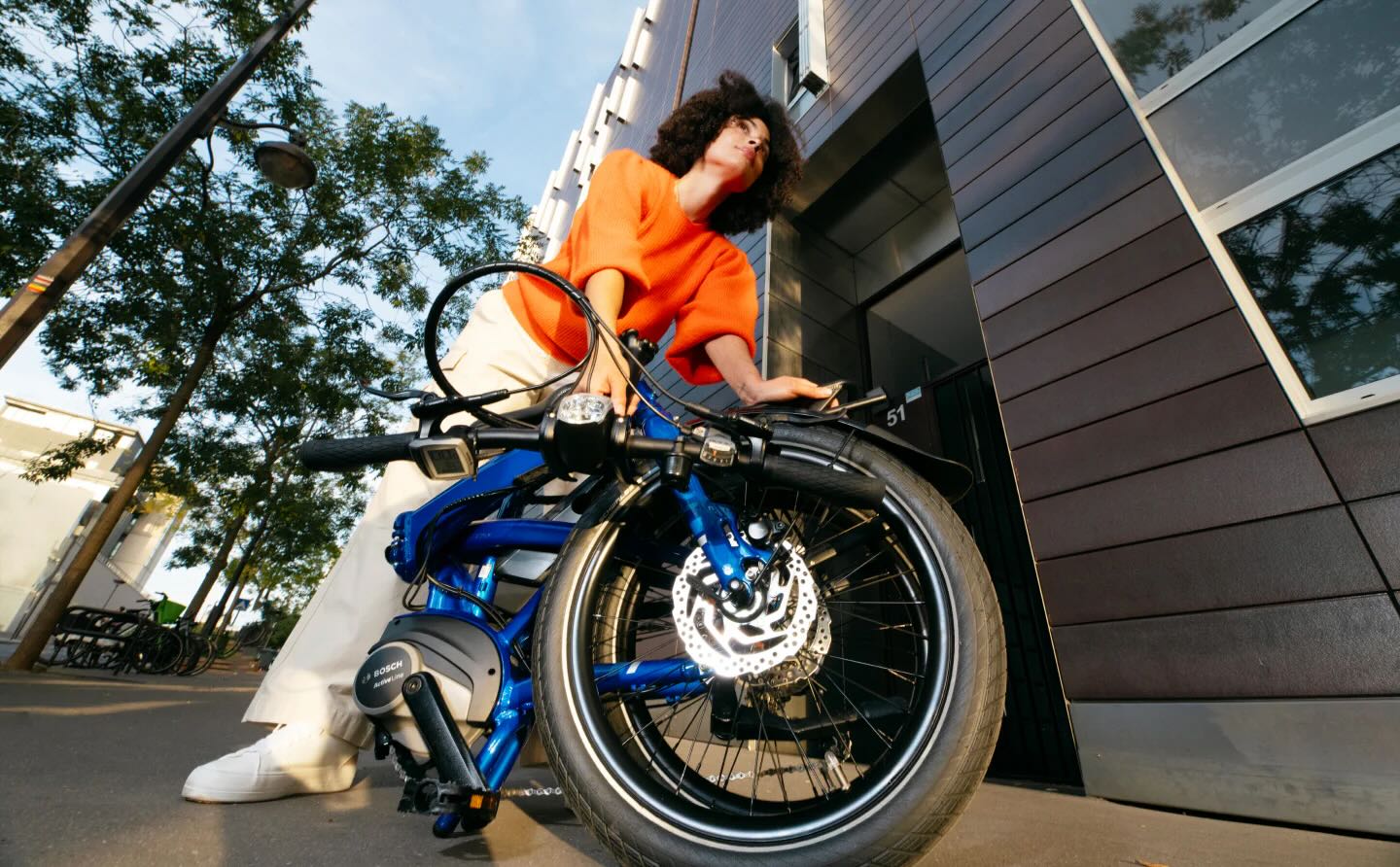
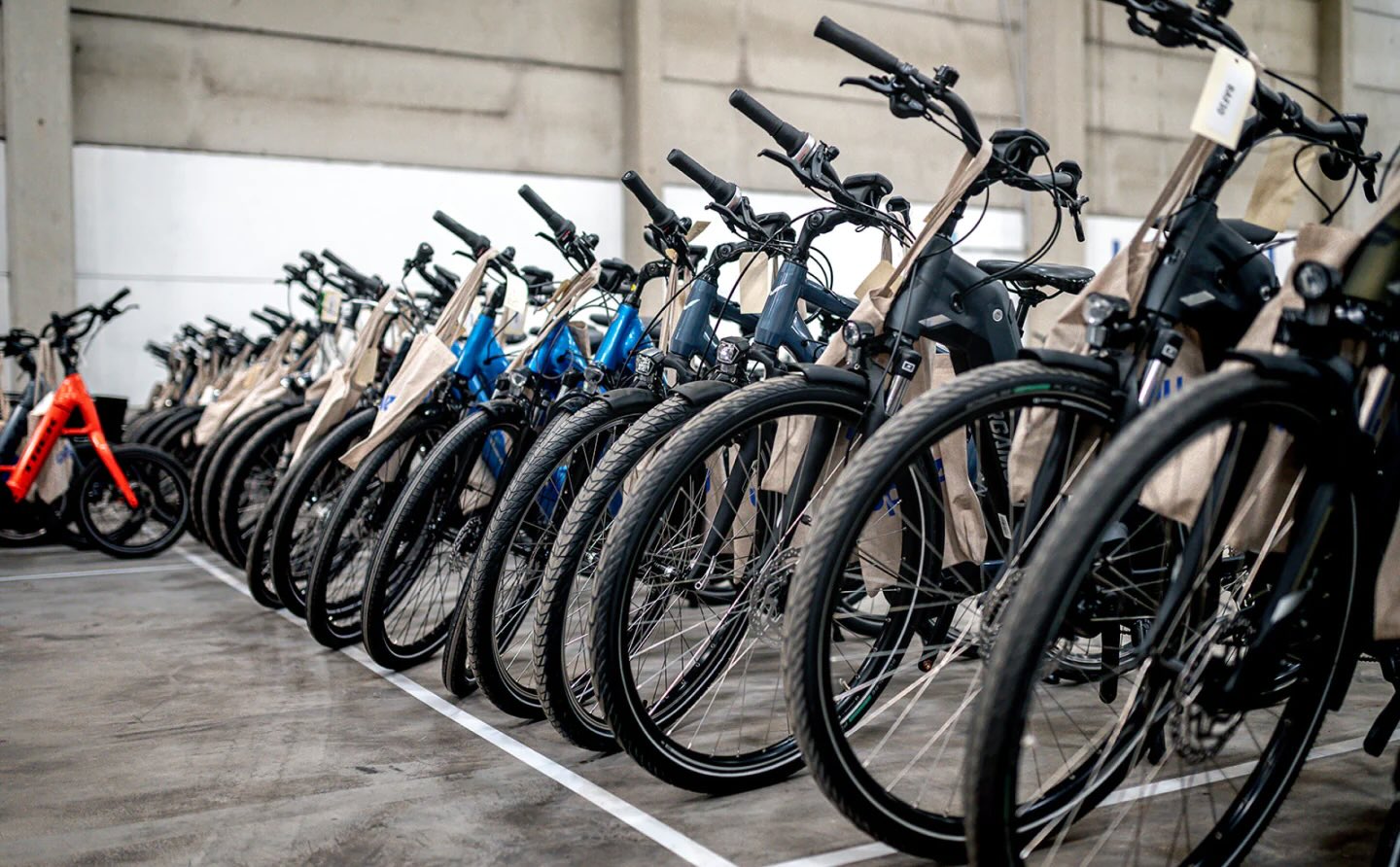
💡Upway makes it easy to find discounts of up to 60% on premium e-bike brands



Mechanical engineering professor Kate Whitefoot echoed that stance, noting she is confident in them having "at least similar rates of fire risk" compared with combustion engines.
|
Do you worry about the longevity of EV batteries? Click your choice to see results and speak your mind. |
 For sure 💯
Get TCD's free newsletters for easy tips to save more, waste less, and make smarter choices — and earn up to $5,000 toward clean upgrades in TCD's exclusive Rewards Club.
Cool Picks





