


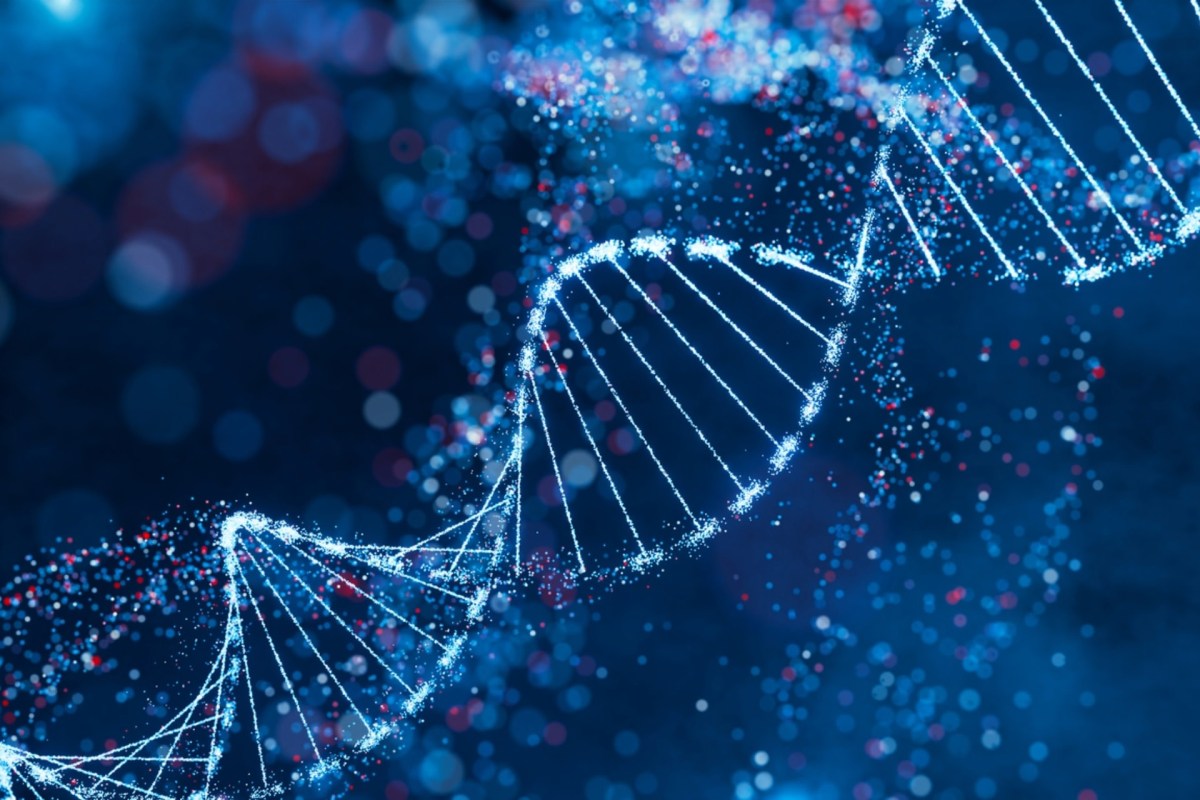
Stray molecules left behind in the environment are changing the way we approach conservation.
Every living thing sheds DNA. Dolphins, dogs, humans, hamsters, bees — they all shed DNA through hair or fur, skin or scales, excrement, and even pollen. Known as environmental DNA, stray DNA, or eDNA, these little molecules of information can tell us a whole lot.
While scientists have been collecting environmental DNA for some time, its use for conservation is fairly new. Still, in just a few decades, eDNA has made a tremendous impact on the field.
eDNA can be collected from an area long after the animal is gone. This can "help researchers track the spread of invasive species, say, or identify species thought to be extinct," and eDNA has already been used to detect "invasive American bullfrogs in natural ponds … [and] two invasive Asian carp species [that] were swimming in waters connected to Lake Michigan," per ScienceNews.
The environmental DNA can be collected from water, rocks, surfaces, or even air. Researchers in Australia captured stray DNA from the air, which gave them a better estimate of the local mammal population.
eDNA is invaluable for conservation.
"The marvelous thing about it is it widens your time window of detection. … It's like having eyes on the back of your head," molecular ecologist Elizabeth Clare told ScienceNews.
Researchers are always making new breakthroughs in conservation and preservation. This newly developed tree scaling tool helps cities see just how much of a cooling effect a tree will provide. Heat-detecting drones can help researchers make better estimates of population numbers.
In finding evidence of animals previously considered extinct, estimating the population of endangered animals, and detecting the presence of invasive species, eDNA will continue to help researchers protect the planet.
🗣️ Should we be actively working to kill invasive species?
🔘 Absolutely 💯
🔘 It depends on the species 🤔
🔘 I don't know 🤷
🔘 No — leave nature alone 🙅
🗳️ Click your choice to see results and speak your mind
David Duffy, a professor at the University of Florida's Whitney Laboratory for Marine Bioscience in St. Augustine, said eDNA "opens up whole new ways of measuring biodiversity," per ScienceNews.
TCD Picks » Quince Spotlight
💡These best-sellers from Quince deliver affordable, sustainable luxury for all





Join our free newsletter for weekly updates on the latest innovations improving our lives and shaping our future, and don't miss this cool list of easy ways to help yourself while helping the planet.
Cool Picks





