


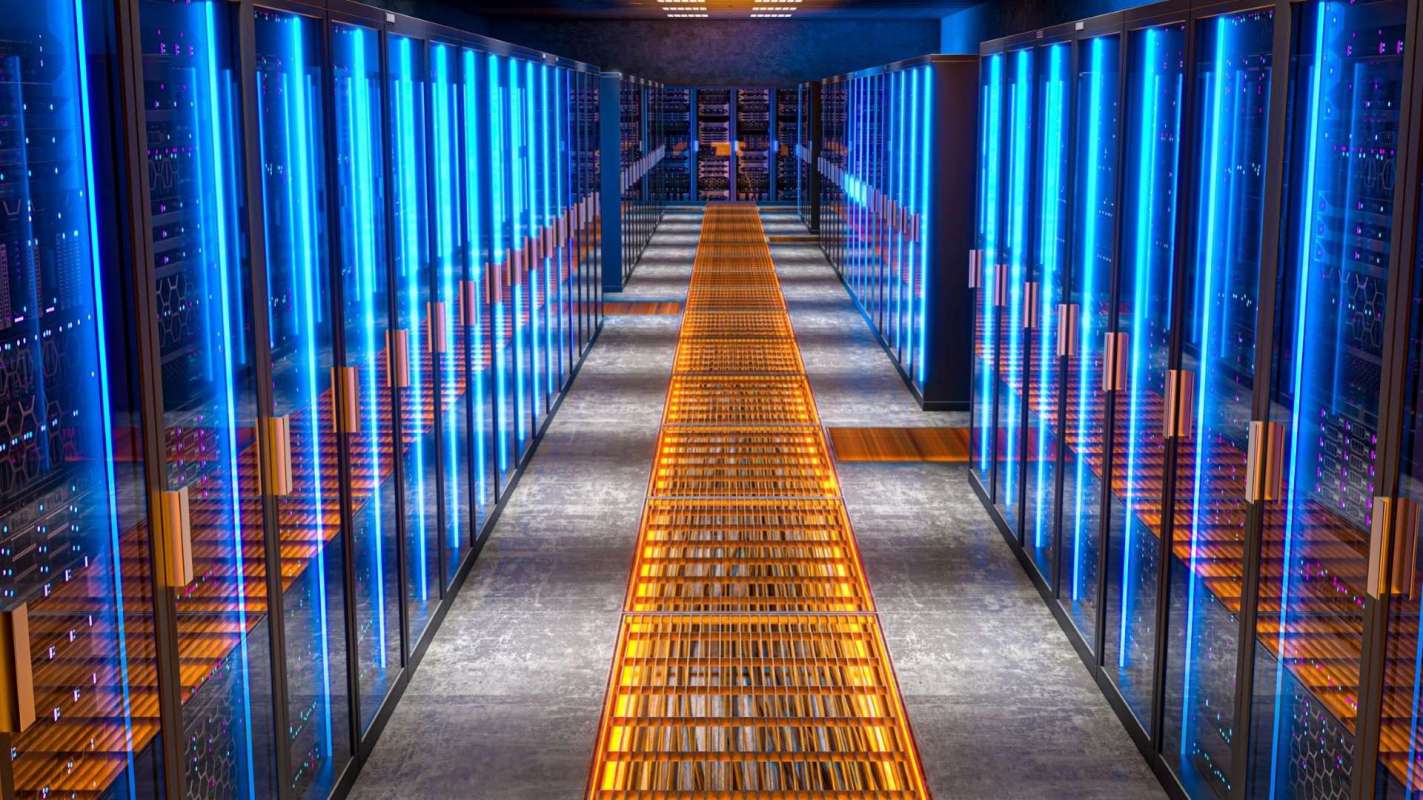
Chicago is taking steps to curb data centers after community groups warned that the industry's fast growth could add to air pollution, use vast amounts of resources, and further increase utility bills.
Environmental justice advocates see the city's response as a meaningful move on both public health and affordability issues.
Here's what to know
A new executive order from Mayor Brandon Johnson sets Chicago on course for tighter oversight of data centers, Inside Climate News reported. The task force it creates will focus on air and noise pollution, water and energy use, and ways to protect residents from higher power bills.
Johnson is also asking the City Council to approve a temporary halt on new facilities and expansions until tougher protections are in place.
Officials say Chicago already has 39 data centers and expects more to come. Although the city is not known for the giant campuses found elsewhere in the country, its dependable power supply, location, and access to water have helped draw smaller AI and cloud-computing operations.
That expected growth has alarmed neighborhoods that already shoulder heavy industrial impacts. Residents and advocates say diesel backup generators could worsen harmful air pollution, and rising power demand could strain the grid and push household costs higher.
TCD Picks » Quince Spotlight
💡These best-sellers from Quince deliver affordable, sustainable luxury for all




Alliance of the Southeast policy organizer Katia Balba described the order as encouraging, while saying it will not be enough by itself.
"We're excited where this is going — it seems like we're being heard and listened to. We just need to continue with the momentum," Balba stated.
More background
Examples of data center disputes are emerging across the country. New York has adopted a temporary moratorium on hyperscale data centers, and Monterey Park, California, voted to ban them.
A University of Pennsylvania survey also found that 61% of U.S. adults oppose new data center construction in their communities.
In Illinois, the debate has become especially sharp around affordability. Reports indicate that data centers are already contributing to major electric bill increases in the state.
Southeast Environmental Task Force executive director Oscar Sanchez also noted, "Data centers are very much extractive of our electrical grid systems, and when it comes to already-faulty systems, when it comes to these heavy storms, they're just going to cause more influxes of power outages."
What's being done?
The executive order builds on recommendations from the city's "sustainable data centers" working group, which was set up through a 2024 ordinance.
The city's planning and development commissioner will have to weigh environmental effects, air pollution, and water and energy use when reviewing new proposals. Tovar said city departments will put together stricter environmental and zoning rules.
Advocates say strong standards will matter only if the city enforces them.
Anthony Moser, president of Neighbors for Environmental Justice, said Chicago has a history of failing to hold polluters accountable and argued that officials need a clear plan for facilities that fall out of compliance.
Some industry representatives also appeared open to additional scrutiny. Brad Tietz, director of state government affairs at the Data Center Coalition, said the group hopes the mayor's directive helps separate responsible operators from "those who are not."
The executive director of People for Community Recovery, Cheryl Johnson, said, "Anything that compromises our air, water and land is never good. We need to have strong regulations and guidance."

Get TCD's free newsletters for easy tips, smart advice, and a chance to earn $5,000 toward home upgrades. To see more stories like this one, change your Google preferences here.







