


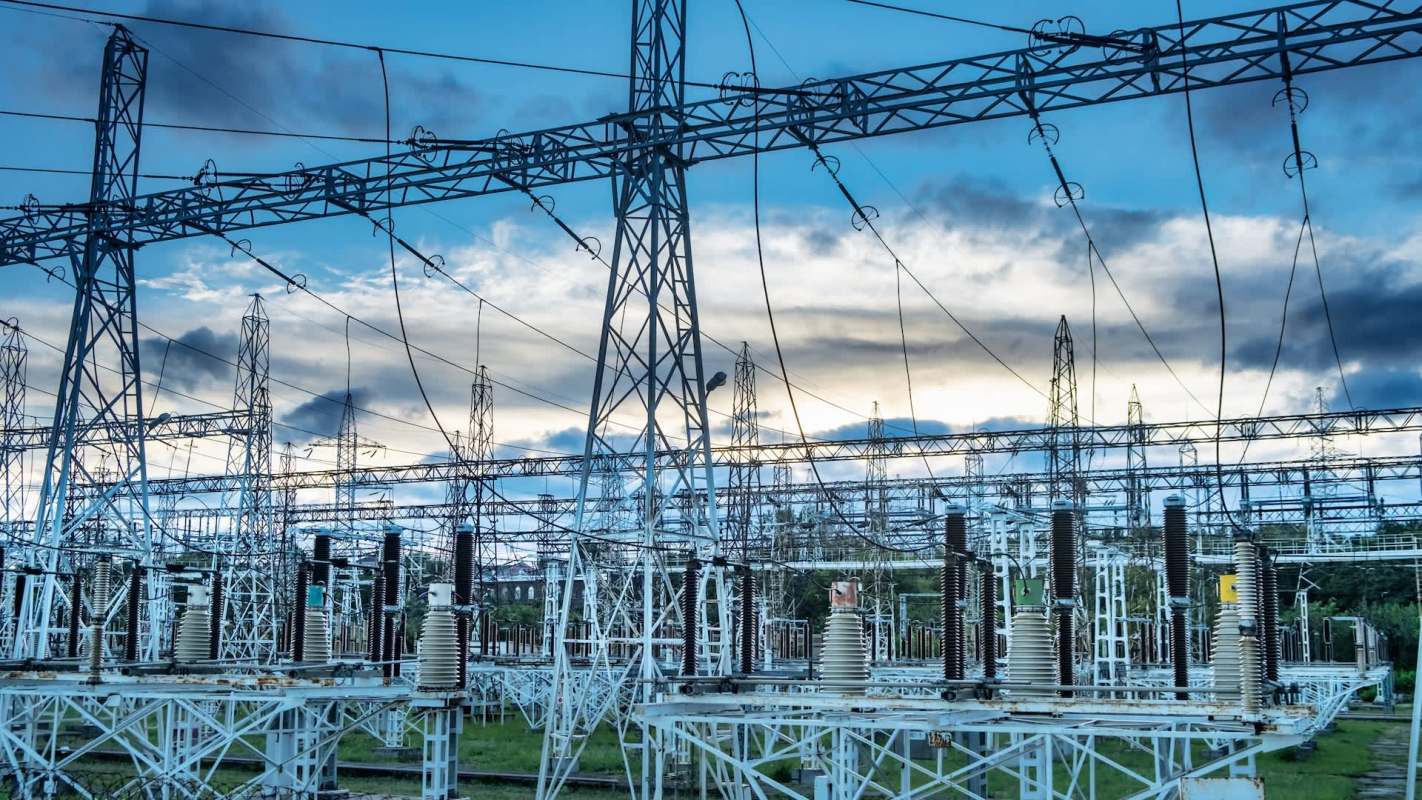
America's electric grid is beginning to feel the strain of the artificial intelligence boom.
Federal regulators are trying to keep the costs tied to rapidly growing electricity use from data centers and cryptomining sites from being pushed onto ordinary households.
What happened?
Large power users' access to the grid is the focus of sweeping new orders from the Federal Energy Regulatory Commission, according to Inside Climate News.
FERC told the country's six biggest grid operators they have 60 days to either justify their current connection rules or suggest revisions for data centers and other exceptionally large customers.
Grid operators that oversee wholesale electricity markets for about 200 million people must also submit 30-day reports explaining how they would maintain sufficient generation to serve current users and new large loads.
The directive comes as power demand is climbing in some regions, especially because of AI-related facilities and cryptocurrency operations.
TCD Picks » Quince Spotlight
💡These best-sellers from Quince deliver affordable, sustainable luxury for all




FERC's order also directs grid operators to take a closer look at co-location agreements that place data centers at or next to power plants, as well as "behind-the-meter" setups, where the facilities develop their own generation.
According to FERC Commissioner David Rosner, the commission wants safeguards around new infrastructure built for data centers so that if a project falls through, "and that data center doesn't show up, other customers, especially regular consumers, will not be on the hook for those costs."
Why does it matter?
Consumer advocates say households could wind up subsidizing power plants or transmission built for big new customers if utilities rush to construct projects residents never asked for.
The danger grows if utilities add more natural gas infrastructure than they ultimately need. Should the expected demand fail to arrive, consumers could spend decades paying off those stranded assets.
Beyond higher household costs, expanded fossil fuel infrastructure can also mean more air pollution and more planet-warming emissions.
There are also concerns about grid reliability. In Virginia, a lightning strike on a high-voltage transmission line led 60 data centers to disconnect at once and switch to backup power, abruptly reducing demand by 1,500 megawatts.
In Texas, ERCOT logged five events in which demand losses exceeded 100 megawatts over a 12-month period. Abrupt changes like those can make the grid harder to manage and raise the risk of instability.
What are people saying?
Nick Guidi, a senior attorney for the Southern Environmental Law Center, said the order is an important step, though not a complete one: "This product is not as ambitious as what Secretary Wright asked them to do."
FERC Chairman Laura Swett stressed that states still control retail electricity decisions, but added: "We make clear that we act today to guard against cost-shifting among transmission customers, but the states have the responsibility to ensure that there is no cost-shifting among retail customers."
The Sierra Club also expressed cautious support, saying in a prepared statement that FERC's action is "responsive to Sierra Club's requests on several fronts, including protecting consumers from costs incurred by large loads."

Get TCD's free newsletters for easy tips, smart advice, and a chance to earn $5,000 toward home upgrades. To see more stories like this one, change your Google preferences here.






