


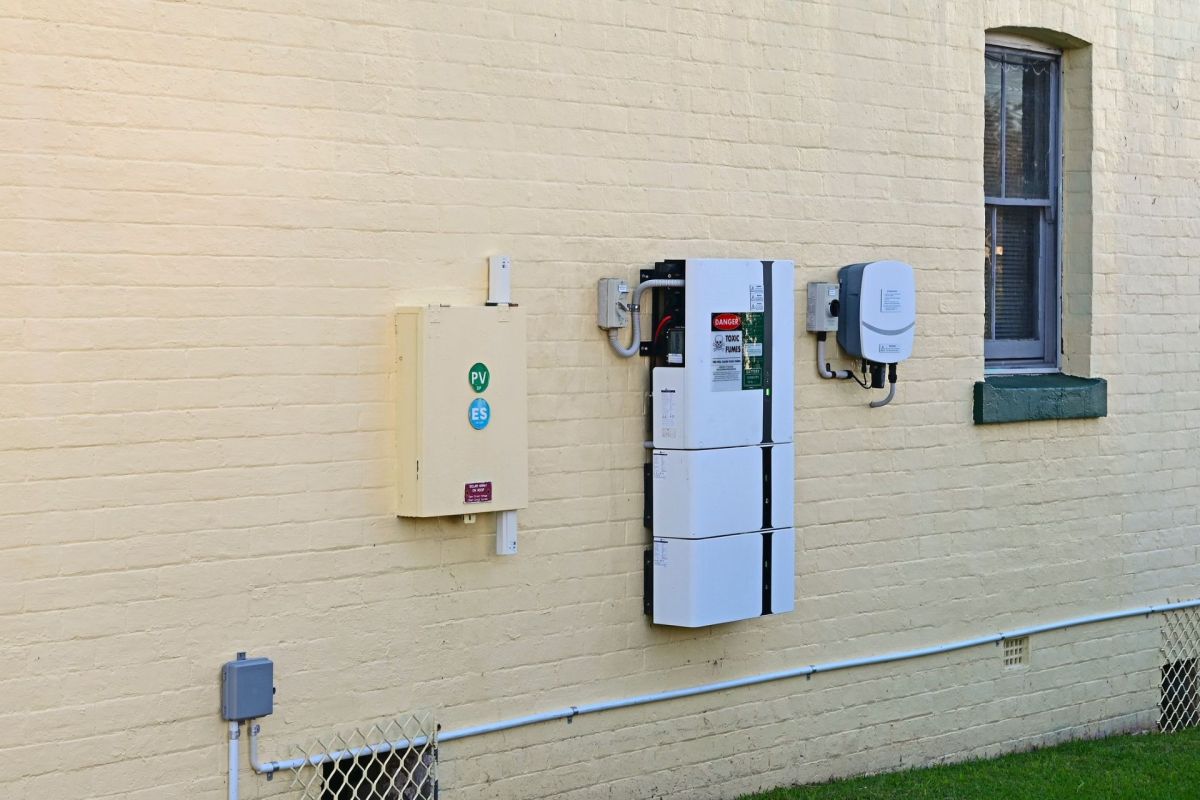
Batteries are replacing combustion engines in yards, on roads, and elsewhere. Now they are poised to become the dominant backup power option for homeowners as blackout risks increase and utility rates spike.
CNET's Taylor Freitas broke down the pros and cons of battery storage and traditional generators.
"Previously, the only option was fuel-powered standby generators, but these days, there are plenty of different backup power solutions," Freitas wrote.
Batteries, especially when paired with solar panels, are one of the best safeguards against outages, because they also provide independence from fuel and the grid.
A survey by EcoFlow and Horowitz Research found that 67% of homeowners think that having a backup power supply is important. Batteries can be revenue generators as well when part of a virtual power plant. The programs allow battery users to sell excess electricity back to the grid.
Packs come in a variety of sizes, just like their fuel-burning counterparts. But unlike kerosene, gas, and diesel burners, batteries don't emit harmful exhaust that experts have linked to health detriments at every stage of life.
EnergySage can help you find the right battery for your house. It starts with competitive installation estimates from vetted pros. The EnergySage team has partnered with electrification experts from Qmerit to deliver the best price on battery storage solutions.
CNET's breakdown noted that batteries are typically more expensive than generators upfront. For their part, generators run as long as they have fuel. Batteries need to be powered by solar panels or from the grid before an outage.
Save $10,000 on solar panels without even sharing your phone number Want to go solar but not sure who to trust? EnergySage has your back with free and transparent quotes from fully vetted providers in your area. To get started, just answer a few questions about your home — no phone number required. Within a day or two, EnergySage will email you the best options for your needs, and their expert advisers can help you compare quotes and pick a winner. Solar panels can save you more than $50k over their 25-year lifespan, and EnergySage can help you save as much as $10k on installation. Which begs the question — isn't that worth an email or two? |

However, the packs have long-term value.
"You'll spend more money over time to maintain a steady fuel supply," Freitas wrote about generators.
|
Which of these savings plans for rooftop solar panels would be most appealing for you?
Click your choice to see results and earn rewards to spend on home upgrades. |
 Save $1,000 this year 💸
 Depending on the kind you get, they can cost hundreds of dollars for a portable unit and up to $15,000 for a larger unit that kicks on as soon as the power goes out, according to the report.
CNET added that batteries that are wired into a home's electrical system — such as Tesla Powerwalls — can cost between $10,000 and $20,000.
But simpler options that don't require expert installations are available.
Pila's Mesh battery is far cheaper, at just $1,299. It's a briefcase-sized unit that plugs into a standard wall outlet. It can repower from the grid or use solar energy from a rooftop or plug-in system. It's a great option for homeowners or renters.
Pila can power most home appliances for hours, and sometimes days, depending on the task. That can be the difference between a secure fridge full of food and spoiled milk, meats, and cheese. Pila packs are sleek, available in multiple colors, and stackable to provide greater coverage around the house. Appliances plug right into the unit.
Like other battery backups, Pila can charge with solar or when grid energy is cheapest. It can come in handy when utility rates are highest, protecting ratepayers from the most expensive use times.
CNET's list of battery perks includes quiet, clean, and low-maintenance operation. The equipment typically has longer warranties than its fuel-powered counterparts.
And sunshine can increase battery performance greatly.
"If your battery is connected to solar panels, it'll recharge throughout the day, extending its useful charge, sometimes over days," Freitas wrote.

Get TCD's free newsletters for easy tips to save more, waste less, and make smarter choices — and earn up to $5,000 toward clean upgrades in TCD's exclusive Rewards Club.






