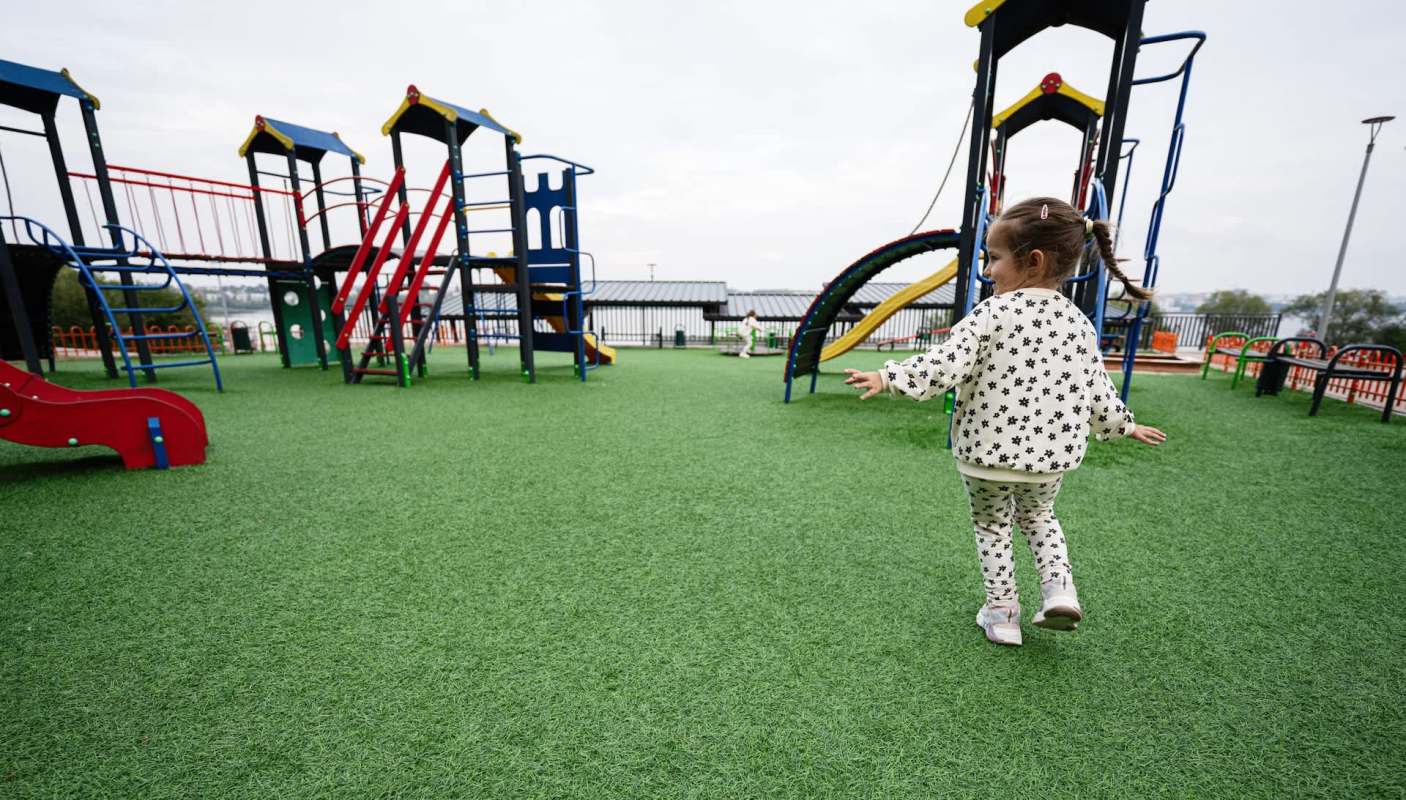
The Washington Post reports warnings from experts about using a popular but toxic material where your kids play and learn.
Vasilis Vasiliou, an epidemiologist at Yale, conducted extensive research on turf and found hormone disrupters, carcinogens, and toxic metals. The exposure children can have to these harmful chemicals is why he won't let his kids play on the stuff.
He also advises other parents to follow suit.
"I would not recommend parents let their children play on there," Vasiliou told the Washington Post. However, the surface may be difficult for parents in North America to avoid since 18,000 turf fields already exist, with 1,500 added annually.
Many businesses and homeowners think they can avoid maintenance and watering by replacing grass with artificial turf. However, the cons far outweigh the perceived pros. There's also the misconception that artificial turf saves money. In reality, the material and installations are very costly, and the material eventually degrades.
More adverse health effects can arise from how turf absorbs radiant heat. The Washington Post reports that a 94-degree day causes it to reach 142 degrees — almost 40 degrees more than neighboring grass. Such a hot surface can burn skin and melt the cleats of playing children.
Perk up the winter blues with natural, hemp-derived gummies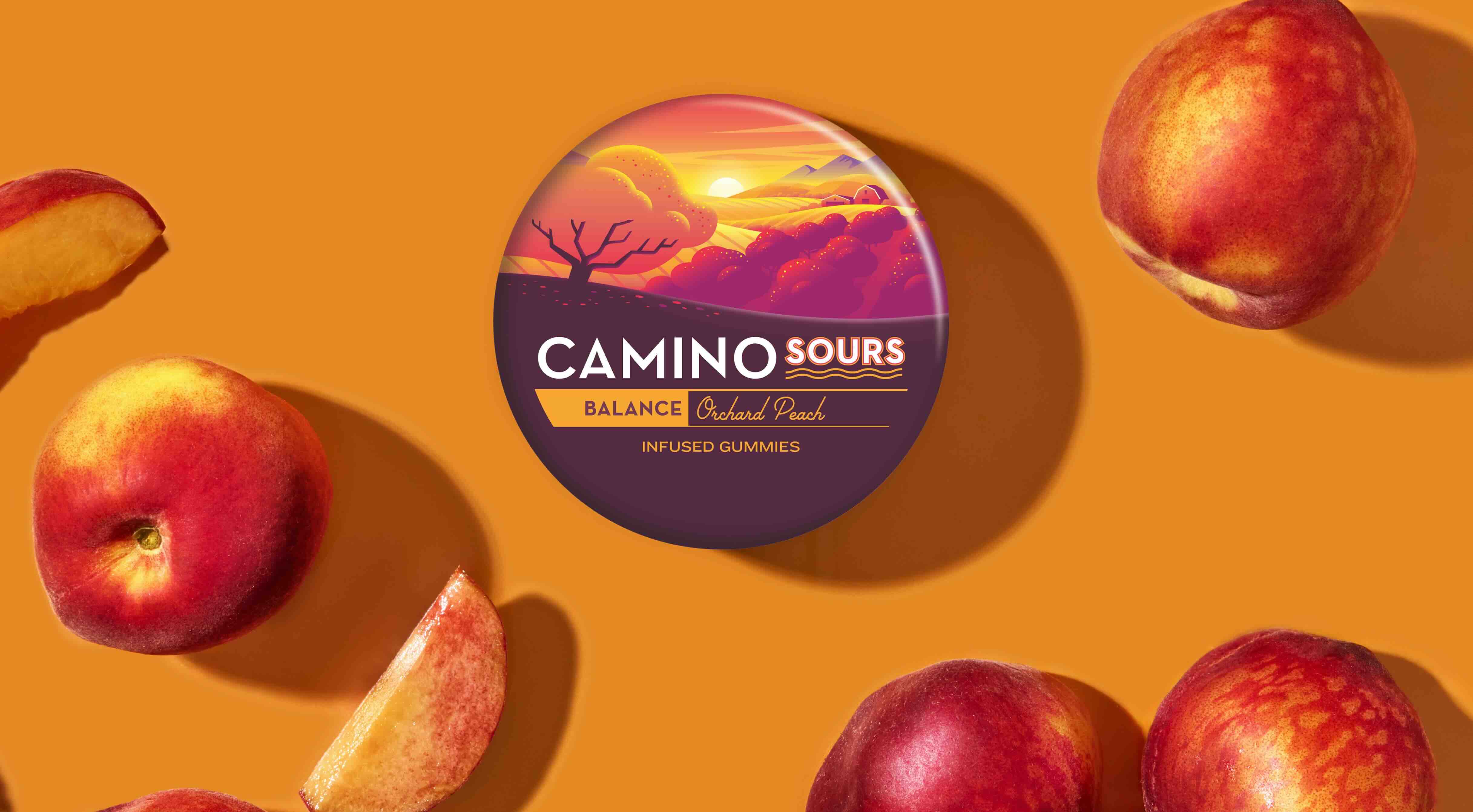 Camino's hemp-derived gummies naturally support balance and recovery without disrupting your routine, so you can enjoy reliable, consistent dosing without guesswork or habit-forming ingredients. Flavors like sparkling pear for social events and tropical-burst for recovery deliver a sophisticated, elevated taste experience — and orchard peach for balance offers everyday support for managing stress while staying clear-headed and elevated.
Learn more → |
The urban heat island effect from turf is even more alarming after a study by Sustainable Cities and Society found children face a 24% longer period of extreme heat danger on artificial turf than natural turf. Kids also suffer more from heat injury than any other group.
Increasing artificial lawns creates environmental loss. After all, animals and pollinating insects can't nest or forage in it. This material neither contributes to oxygen production nor provides natural cooling shade or vapors on an increasingly hot planet.
As the turf degrades, those microplastics break down and pollute soil and water runoff. Since water can't seep into the soil underneath, runoff volume and risk of localized flooding increase. At the end of its lifecycle, turf becomes more plastic trash in overflowing landfills as recycling options are limited.
Luckily, it's not too late to make an eco-friendly change by upgrading to a natural lawn.
TCD Picks » Upway Spotlight
💡Upway makes it easy to find discounts of up to 60% on premium e-bike brands





Natural lawns save money and time by reducing the need for extensive lawn care and excessive watering, especially if you capture rainwater. People can forgo buying and storing expensive equipment that can cause noise and air pollution. Expect pollinators — which help protect our food supply — from red robins to butterflies fluttering around as native plants support biodiversity. Adding buffalo grass or native groundcovers also prevents erosion while providing a safer space for kids to play.
|
Should schools teach more about gardening and lawn care?
Click your choice to see results and speak your mind. |
 It should be a main subject 💯
Join our free newsletter for weekly updates on the latest innovations improving our lives and shaping our future, and don't miss this cool list of easy ways to help yourself while helping the planet.
Cool Picks