
The growth of artificial intelligence and its energy demands threatens to outpace the industry's clean energy efforts.
What's happening?
In just five years, the AI industry's net-zero pollution goal may be "out of reach," according to the Cornell Chronicle. That's because at its current rate of growth, 26-48.5 million tons of carbon dioxide equivalent will fill the atmosphere, and 731 million to 1.125 billion cubic meters of water will be used up every year. This would be like adding five to 10 million vehicles to roadways and having six to 10 million more people consuming water.
The alarming figures come from a study published in Nature Sustainability. The researchers took three years to compile and examine financial, marketing, and manufacturing data. They wanted to understand AI industry growth, how AI data centers consume resources based on their locations, and the sector's relationship with the changing climate.
"On the upside," the Chronicle reported, "the study also outlines an actionable roadmap that would use smart siting, faster grid decarbonization, and operational efficiency to cut these impacts by approximately 73% (carbon dioxide) and 86% (water) compared with worst-case scenarios."
Why is this important?
The AI boom — or bubble — is concerning because of its strain on resources and power grids. While massive companies invest billions of dollars in the technology, they are costing residents money on their utility bills, as well as their health and peace of mind. AI data centers require huge amounts of electricity — more than half of it powered by dirty energy sources — and water to run and cool the machines inside.
"Artificial intelligence is changing every sector of society, but its rapid growth comes with a real footprint in energy, water, and carbon," professor and project lead Fengqi You told the Chronicle. "Our study is built to answer a simple question: Given the magnitude of the AI computing boom, what environmental trajectory will it take? And more importantly, what choices steer it toward sustainability?"
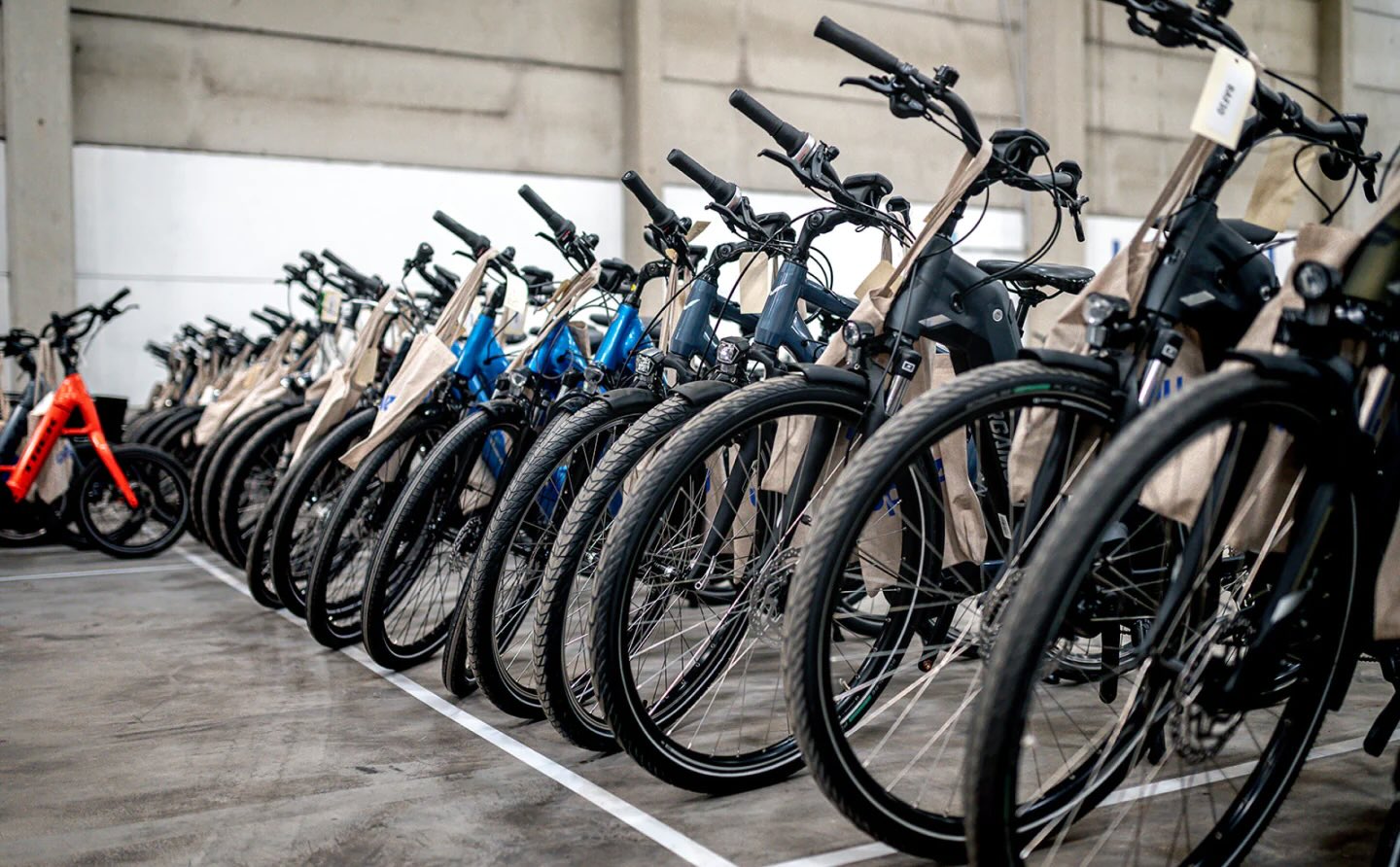
TCD Picks » Upway Spotlight
💡Upway makes it easy to find discounts of up to 60% on premium e-bike brands




He said that an increase in AI demand could cancel out the sector's clean energy movement if the former outpaces grid decarbonization, noting "the solution is to accelerate the clean-energy transition in the same places where AI computing is expanding."
The report highlighted Texas, Montana, Nebraska, and South Dakota as ideal because of their grids' renewable energy bona fides and water availability. Now, however, data centers are expanding in places including Nevada and Arizona, where water scarcity is a major concern.
What's being done about AI data centers?
The Chronicle noted that preventing pollution and saving water will require the concerted efforts of the industry, utilities, and regulators.
"The AI infrastructure choices we make this decade will decide whether AI accelerates climate progress or becomes a new environmental burden," You said.
TCD Picks » Quince Spotlight
💡These best-sellers from Quince deliver affordable, sustainable luxury for all




|
Should we be creating robots that act like living beings? Click your choice to see results and speak your mind. |
 No way 🙅
 In addition to this work to understand AI and its effects, other researchers have made a breakthrough that could reduce the energy consumption of AI applications by a factor of around 1,000 and innovated a cooling system to reduce server temperatures and improve efficiency at data centers.
Each of these steps to lessen the impact of AI gets everyone closer to a cooler, cleaner future.

Get TCD's free newsletters for easy tips to save more, waste less, and make smarter choices — and earn up to $5,000 toward clean upgrades in TCD's exclusive Rewards Club.
Cool Picks