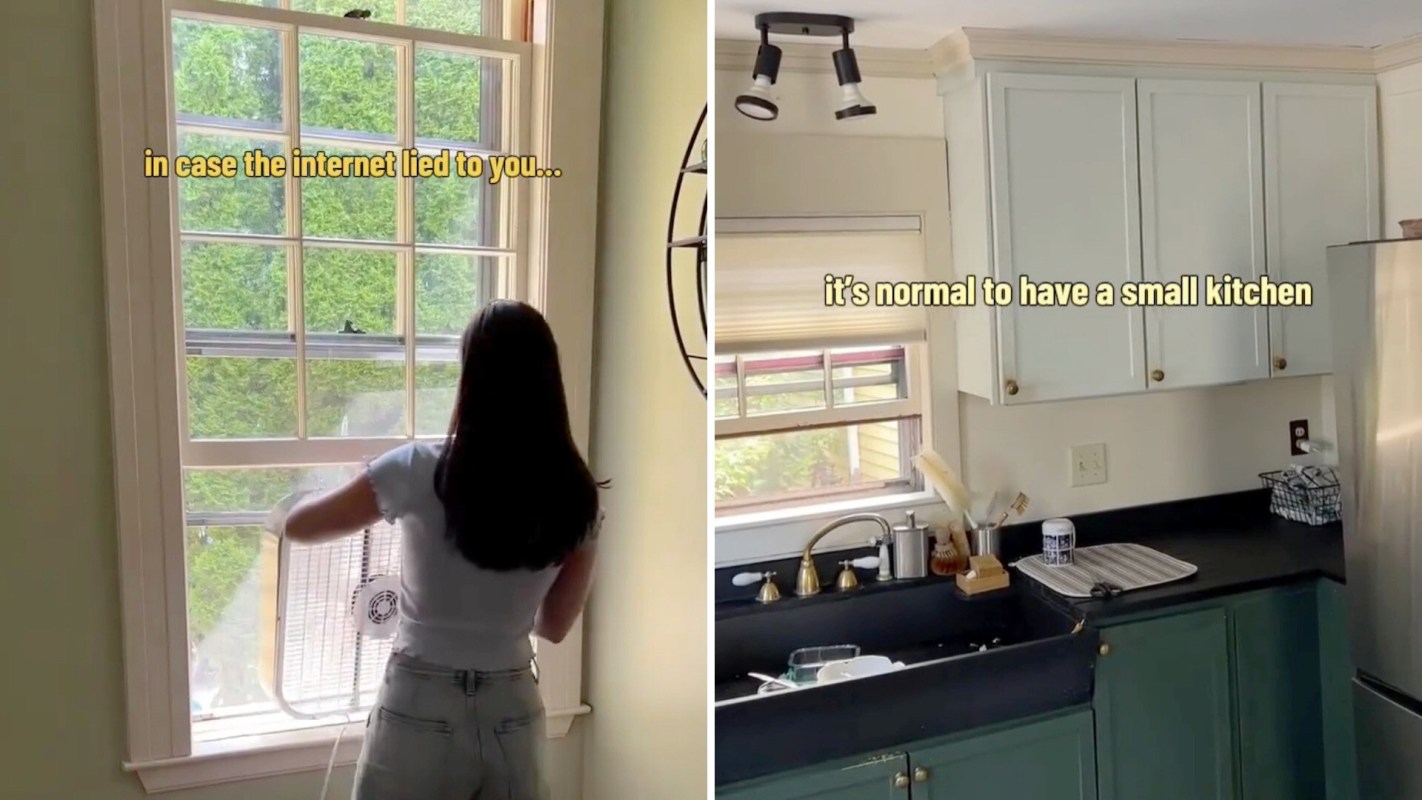
A zero-waste creator is pushing back on the parade of luxe kitchens, oversized shopping hauls, and "wellness" stock-ups that dominate social feeds by treating ordinary life as something worth admiring.
Instead of leaning on scarcity or shame, Kathryn Kellogg's (@goingzerowaste_) message recasts underconsumption as normal, rather than something that should be stigmatized.
What's happening?
Kellogg used a TikTok video to challenge the habit of comparing everyday life with polished content online.
@goingzerowaste_ Just a little reminder for your feed today... The internet shows you massive kitchens with marble islands not the small loved ones. It shows the 20-book haul from Amazon not the well-worn library book. It shows the fridge full of wellness drinks not the simple glass of tap water. I'm romanticizing my normal, my simple and beautiful life that doesn't keep in a rat race or keeping up with the joneses. What's a simple, 'unaesthetic' part of your life that you love? #goingzerowaste #minimalism #frugalliving ♬ honeybee - Olivia Rodrigo
"The internet shows you massive kitchens with marble islands not the small loved ones," she wrote in the caption. "It shows the 20-book haul from Amazon not the well-worn library book."
Kellogg extended that contrast with another everyday example: "It shows the fridge full of wellness drinks not the simple glass of tap water."
In the video, Kellogg tries to normalize cost-efficient behaviors that the internet certainly doesn't glorify. Those include using a box fan and a manual one over AC, drinking from the tap, and enjoying library books.
TCD Picks » Quince Spotlight
💡These best-sellers from Quince deliver affordable, sustainable luxury for all




Lastly, she highlights her modest kitchen. She frames all of these behaviors and living conditions as normal, even if internet culture and influencers have made them seem quaint.
"I'm romanticizing my normal, my simple and beautiful life that doesn't keep in a rat race or keeping up with the joneses," she added in the caption.
Her post sits comfortably alongside anti-overconsumption and mindful-living content, presenting sustainability as a way to step away from comparison-driven spending.
Some viewers debated one detail or another in the post, while embracing the overall message. There were those who couldn't live without their AC, and others who were fearful of tap water.
Overall, though, commenters supported Kellogg's message.
Why does it matter?
Many consumers are feeling squeezed by high prices, burnout, and the pressure to keep buying in order to feel current.
By centering familiar basics like kitchens, books, water, and everyday routines, Kellogg suggests that consuming less and using what consumers already have can bring more calm.
There are financial benefits, too. Borrowing library books instead of buying new releases can save money over time.
Drinking tap water where it is safe can cost far less than stocking bottled drinks or trendy wellness beverages. Resisting the urge to upgrade perfectly functional spaces or items can also help households avoid expensive impulse purchases.
At the same time, commenters noted that not every example applies equally everywhere. For instance, tap water varies by location. How much an AC is a must also depends on local conditions
What can I do?
The shift does not have to be a total lifestyle overhaul. It can start with noticing where online content nudges unnecessary spending and replacing one purchase habit at a time with a cheaper or lower-waste alternative.
That might mean putting a library card back into regular use, borrowing before buying, repairing something instead of replacing it, or appreciating what is already in your home.
If your local water is safe to drink, choosing tap water more often can also reduce packaging waste and recurring beverage costs.
It can also help to define "enough" before opening an app or going to a store. A list, budget, or waiting period can make it easier to avoid buying things simply because they look good in someone else's post.
Ordinary life does not need to be expensive to be enough.

Get TCD's free newsletters for easy tips, smart advice, and a chance to earn $5,000 toward home upgrades. To see more stories like this one, change your Google preferences here.