


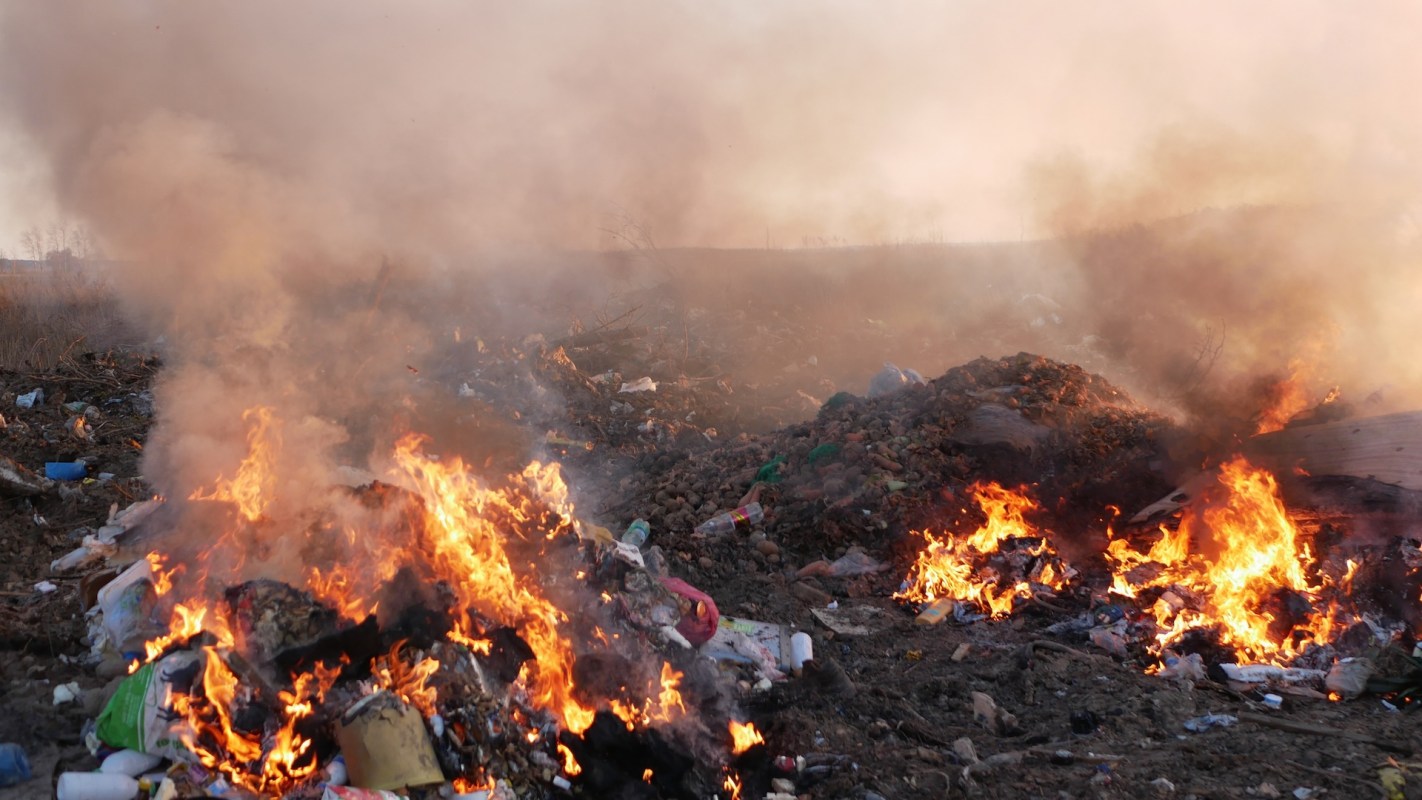
The rise of disposable vapes is creating a dangerous new kind of household waste, one that experts warn can spark fires and pile up as plastic litter across the globe.
What's happening?
According to VnExpress, Malaysia is one of many countries facing a surge in vape litter, with more than 1.4 million adults and hundreds of thousands of minors using the devices.
A 2023 survey of 25 landfills found hazardous household waste made up just over 1% of the trash stream, with disposable vapes and small batteries accounting for most of it.
That may not sound like much, but the risks are serious.
"Most contain small lithium-ion batteries," Fire and Rescue Department Director-General Nor Hisham Mohammad explained. "If tossed into regular bins, they can cause fires in garbage trucks or landfills." Beyond fires, the nicotine, metals, and chemicals in discarded pods can contaminate soil and water.
Why is vape litter concerning?
This isn't just a local issue. Vape waste is now showing up in parks, rivers, and beaches around the world.
Disposable vapes combine several waste problems into one: non-biodegradable plastic waste, e-waste, and toxic waste from leftover nicotine and heavy metals.
Environmental specialists warn that pods often look like ordinary recyclables, so they slip through waste-sorting systems and end up in landfills. Over time, those hidden toxins threaten ecosystems and human health.
The public health risks go hand in hand with the environmental ones. The World Health Organization has repeatedly warned about rising teen use of e-cigarettes, and Malaysia alone recorded nearly 20,000 cases of student vaping in schools last year.
What's being done about vape waste?
Some steps are being taken. In Malaysia, at least one vape company has launched a take-back program that has collected thousands of used pods. Experts say more manufacturers should adopt similar recycling or return schemes.
TCD Picks » Quince Spotlight
💡These best-sellers from Quince deliver affordable, sustainable luxury for all




|
Do you worry about having toxic forever chemicals in your home?
Click your choice to see results and speak your mind. |
 Majorly 😥
 Policy is catching up, too. In August, Rio Grande City, Texas, voted to stop approving new permits for vape shops within 1,000 feet of schools. The rule, set to take effect in November, looks to reduce access for teenagers while also acknowledging the waste crisis. Singapore has gone further, introducing a nationwide ban on vaping.
For everyday people, the most effective action is choosing to avoid single-use vapes altogether. Reusable devices (or better yet, steering clear of vaping entirely) reduce waste, cut fire hazards, and protect young people from harmful exposure.
As the evidence grows, experts agree: Disposable vapes are a toxic addition to household trash that communities can't afford to ignore.

Join our free newsletter for easy tips to save more and waste less, and don't miss this cool list of easy ways to help yourself while helping the planet.
Cool Picks






