


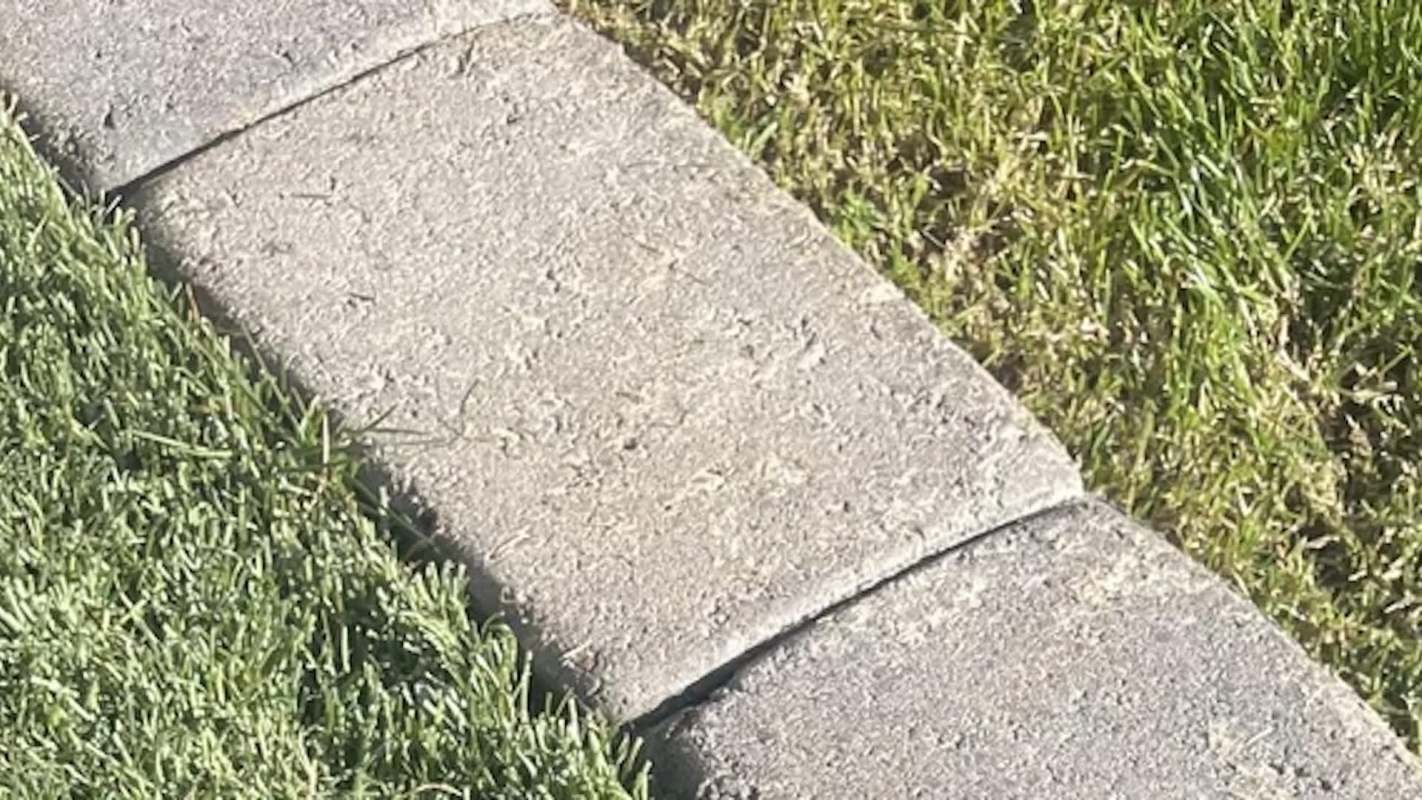
One homeowner who didn't get the memo about how turf can wear down turned to the r/AZlandscaping subreddit to understand why their ground is suddenly shifting.
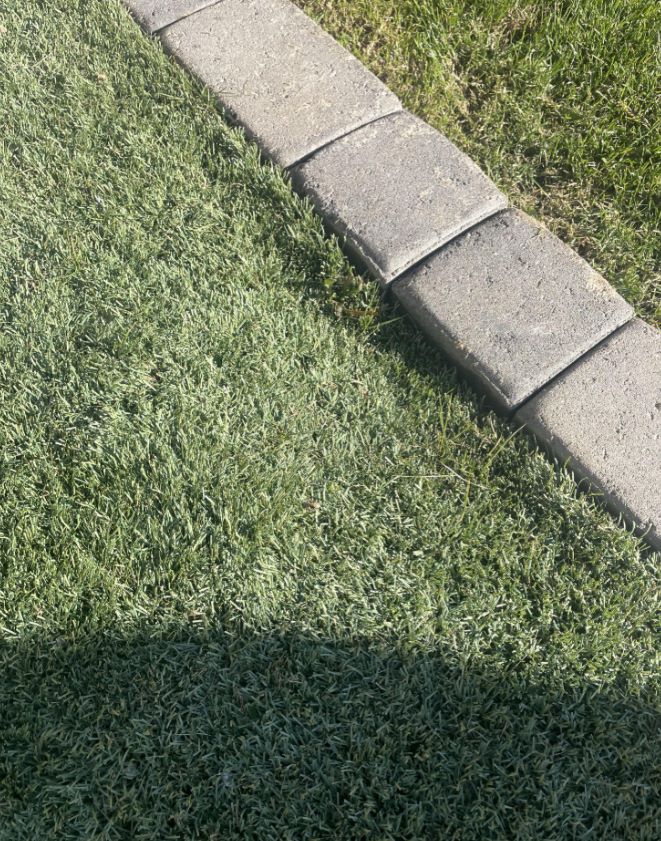
A close-up photo of the trouble spot shows a big dent they described as "bowing" and "floppy" after the fake grass moved a couple of inches in just one night.
"How can things just move around like this under turf?" the original poster asked.
Commenters with similar experiences cited causes from insects to excess water to erosion as to why turf can suddenly move. One said: "Tarantulas did it to my faux grass. There's a small round hole nearby. Mice can also do that."
"Remember underneath the turf is just layers of sand and dirt that's packed together but that wont stay stable forever especially once it gets moist under there," another reminded.
Sadly, the OP is discovering why some synthetic landscape trends promoted as trouble-free are anything but. Just as holding sod in place with plastic netting means polluting the soil and possibly entangling wildlife, turf does more harm than good.
Perk up the winter blues with natural, hemp-derived gummies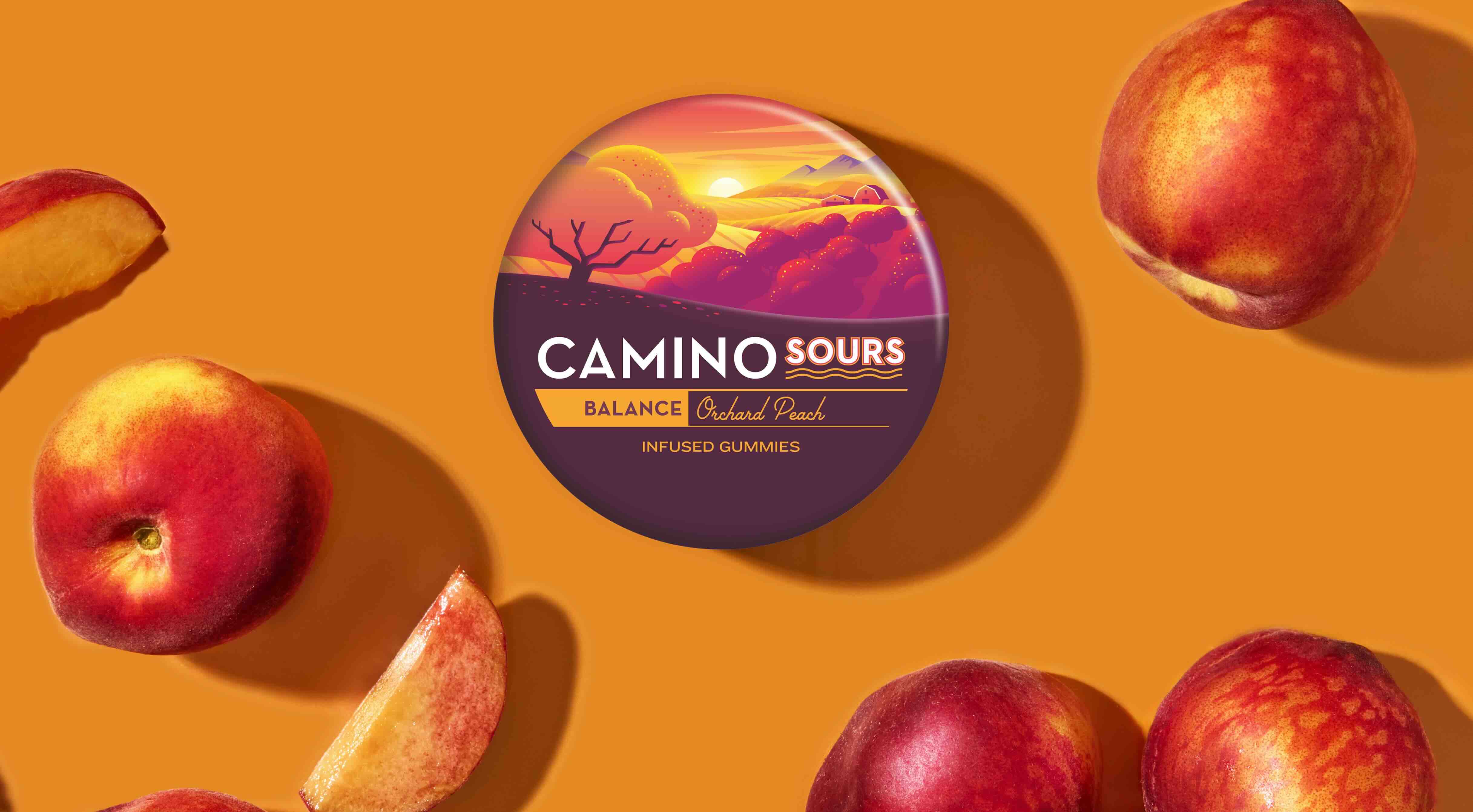 Camino's hemp-derived gummies naturally support balance and recovery without disrupting your routine, so you can enjoy reliable, consistent dosing without guesswork or habit-forming ingredients. Flavors like sparkling pear for social events and tropical-burst for recovery deliver a sophisticated, elevated taste experience — and orchard peach for balance offers everyday support for managing stress while staying clear-headed and elevated.
Learn more → |
Turf can mimic the appearance of grass, but it does so without the cooling vapors, oxygen production, and space for wildlife to nest and forage. In fact, a raccoon in New York's Central Park caused a stir after getting stuck under it.
A recent NBC News report linked turf to increased sports injuries, from torn ligaments to sprained ankles. With surface temperatures reaching as much as 86.5 degrees hotter than grass, it also adds to the heat island effect, which creates higher energy use for people to safely cool off.
Its plastic or rubber crumb base contains harmful chemicals (PFAS) that can seep into the skin during contact and linger in the soil after removal.
Regarding costs, Realtor.com said people may pay $12,000 for traditional turfgrass compared to $2,000 to $4,000 per acre to install native plants.
TCD Picks » Upway Spotlight
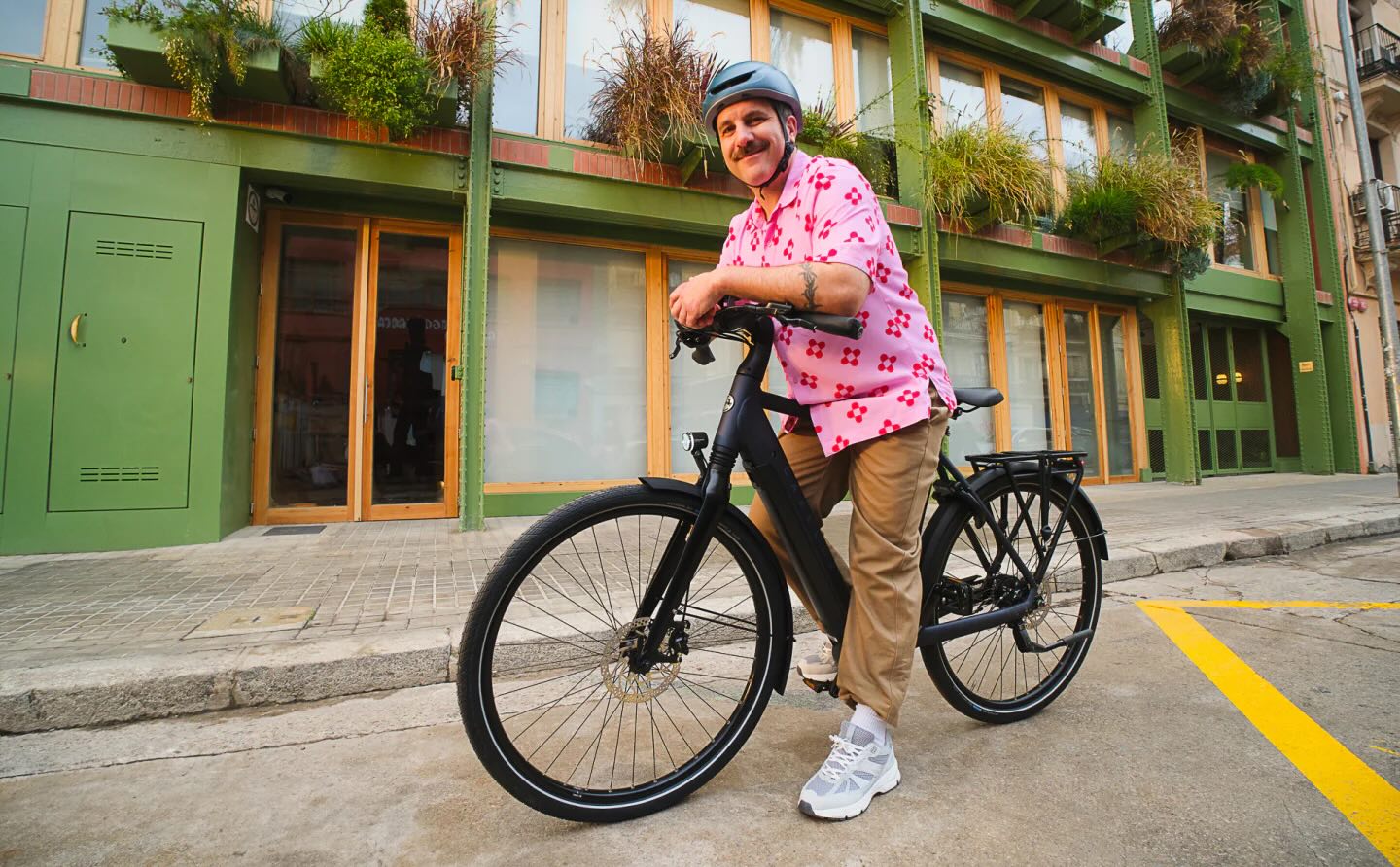
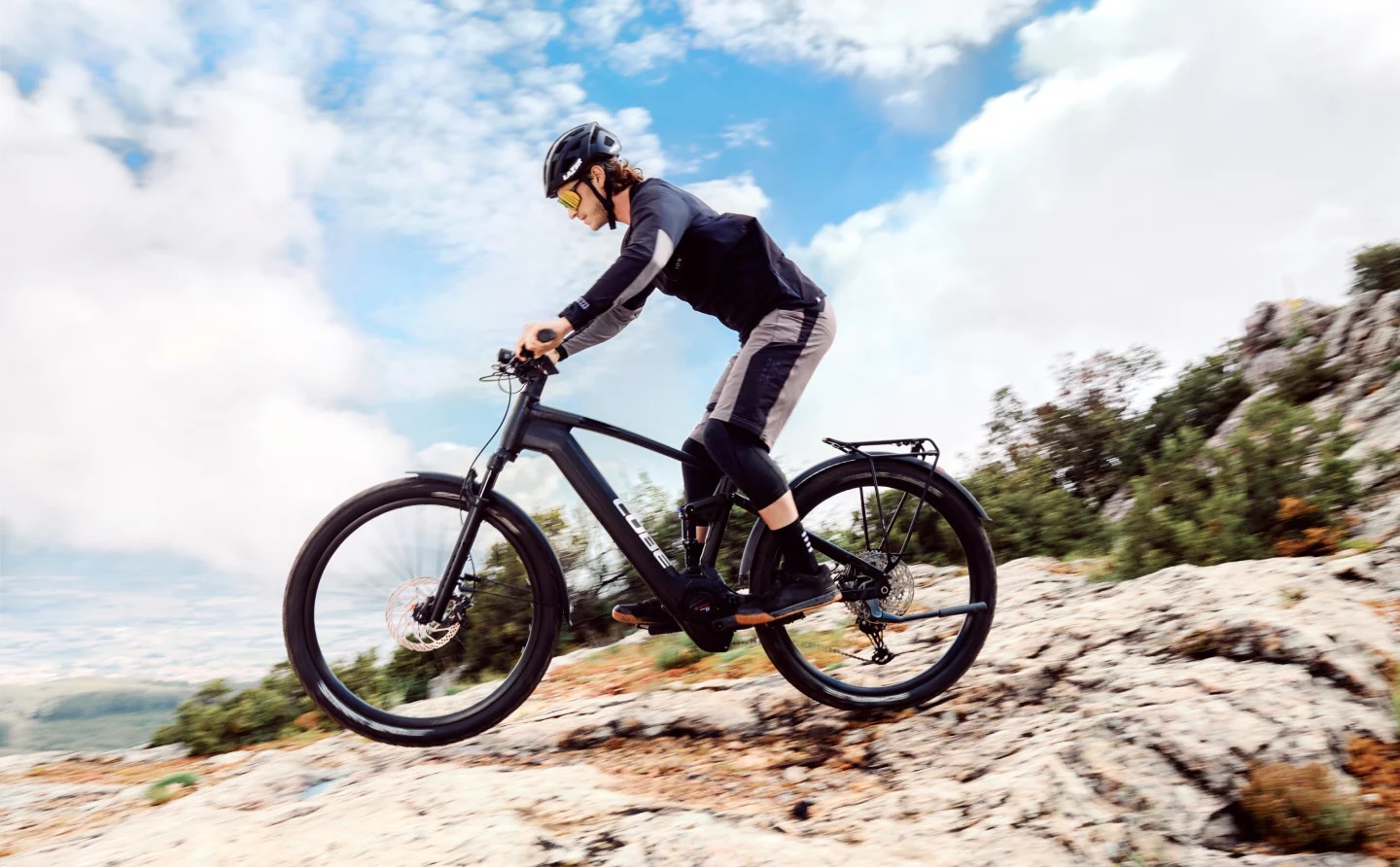
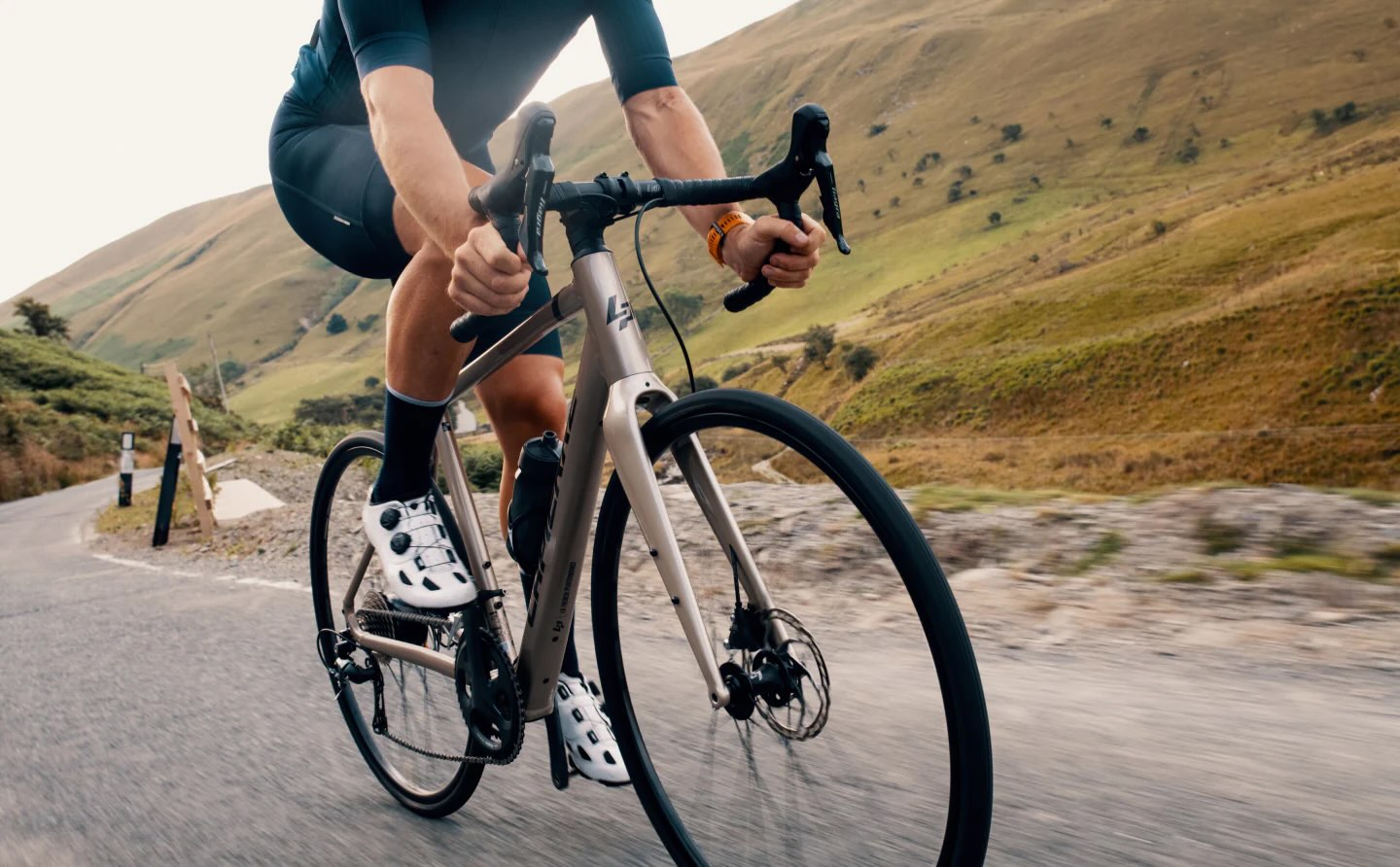
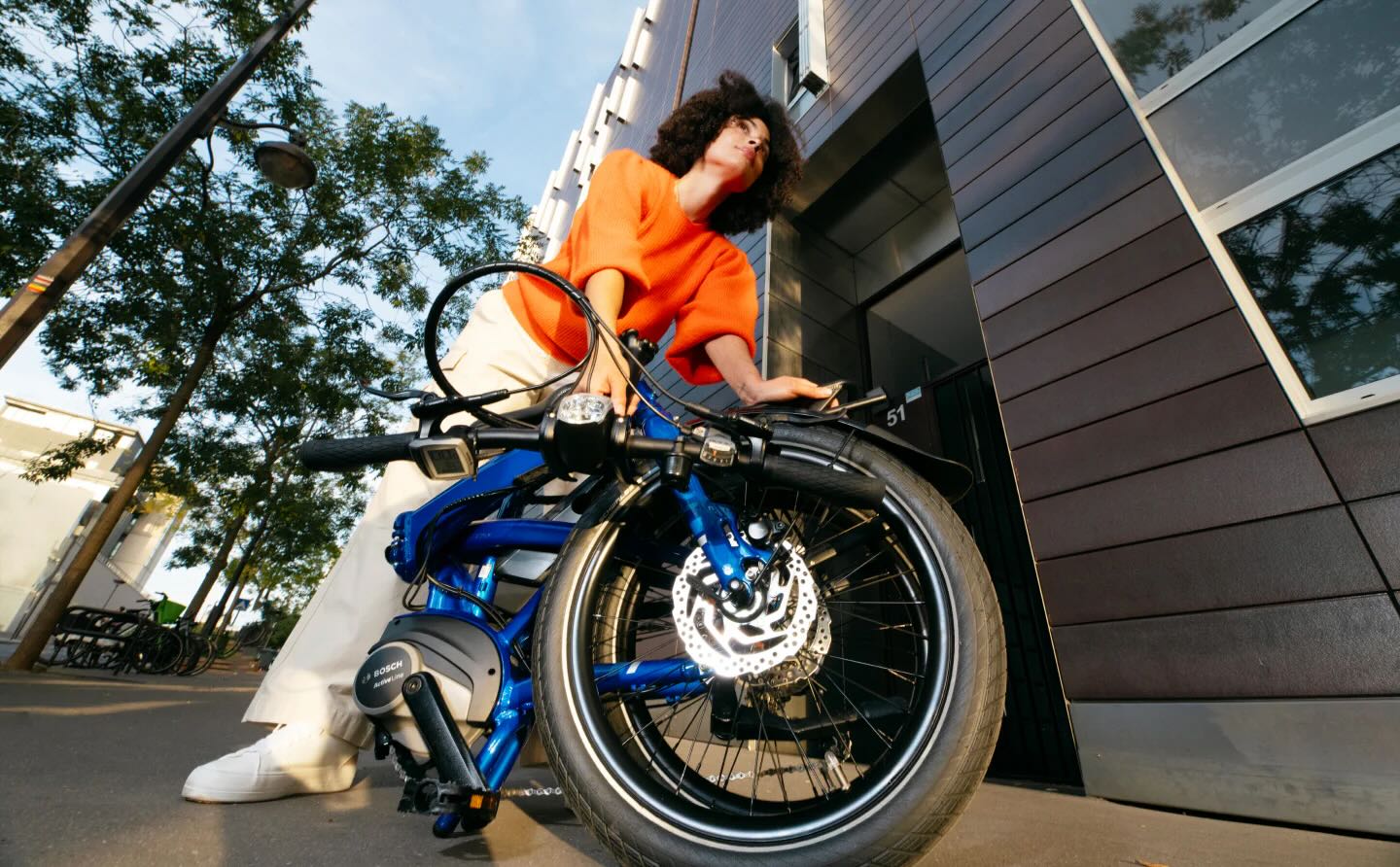
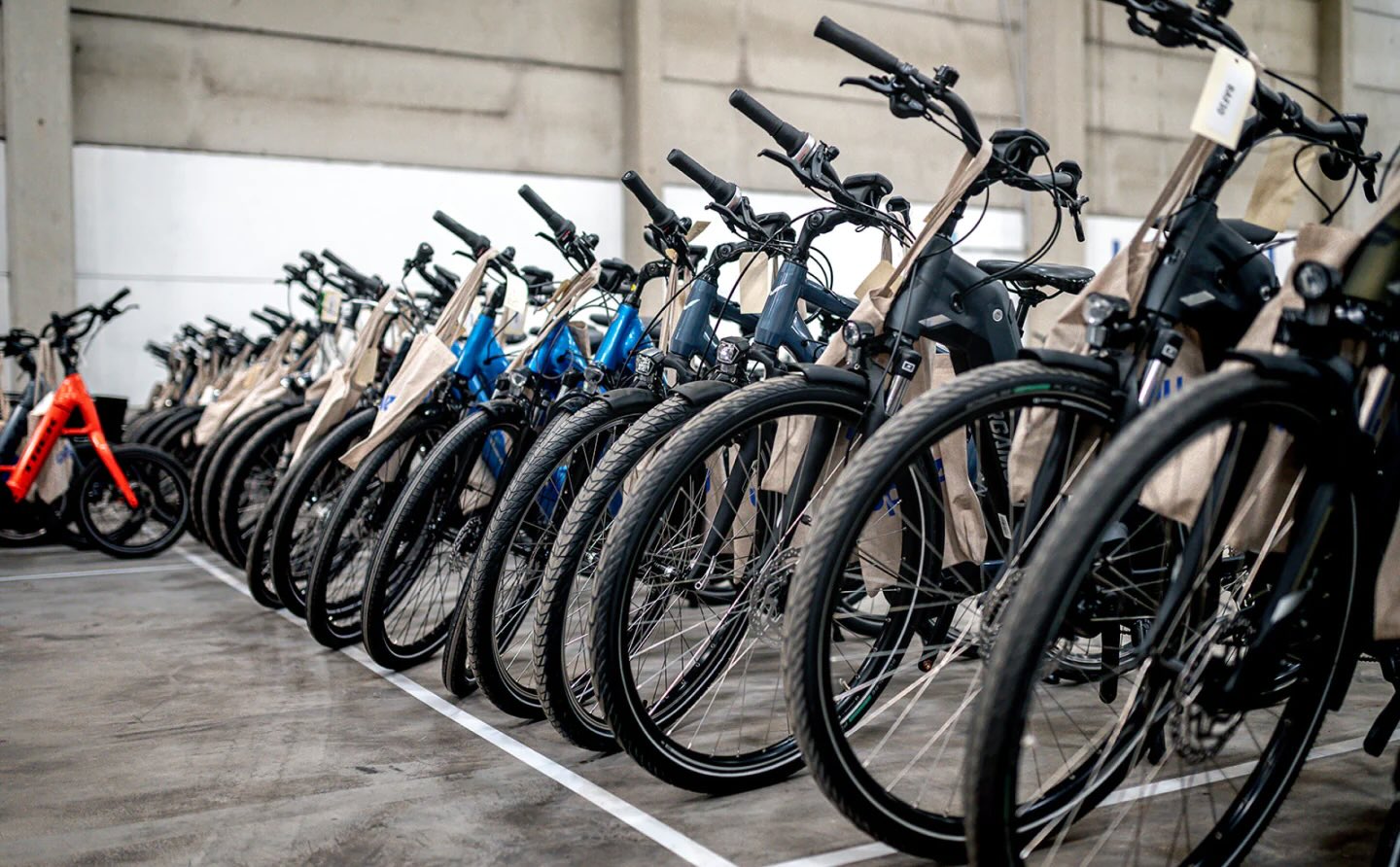
💡Upway makes it easy to find discounts of up to 60% on premium e-bike brands
|
What's your preferred style of yard? Click your choice to see results and speak your mind. |
 Nicely cut grass 😎
 However, it's never too late to start fresh with a rewilded yard and several replacement options. Capture rainwater or plant erosion-preventing clover or wild ginger. Start native gardening for greater food self-reliance. In addition to being durable, buffalo grass's deep root system means it requires 75% less water than traditional lawns, according to the University of California Cooperative Extension.
These lawn upgrades involve little to no mowing, thus saving time and money on maintenance while reducing noise and air pollution. Native plants and natural grasses also create a healthier ecosystem for pollinators, which helps protect our food supply.
Other commenters offered more explanations for the OP. One user said: "Maybe the sand underneath got washed out by a sprinkler or other leaking water."
Another commented: "It's a mini sinkhole and it's not uncommon. Usually from decomposing organic materials in the soil."

💰Get TCD's free newsletters for easy tips to save more, waste less, and make smarter choices — and earn up to $5,000 toward clean upgrades in TCD's exclusive Rewards Club.
Cool Picks






