


If you look hard enough, you can find some serious treasure at your local thrift store.
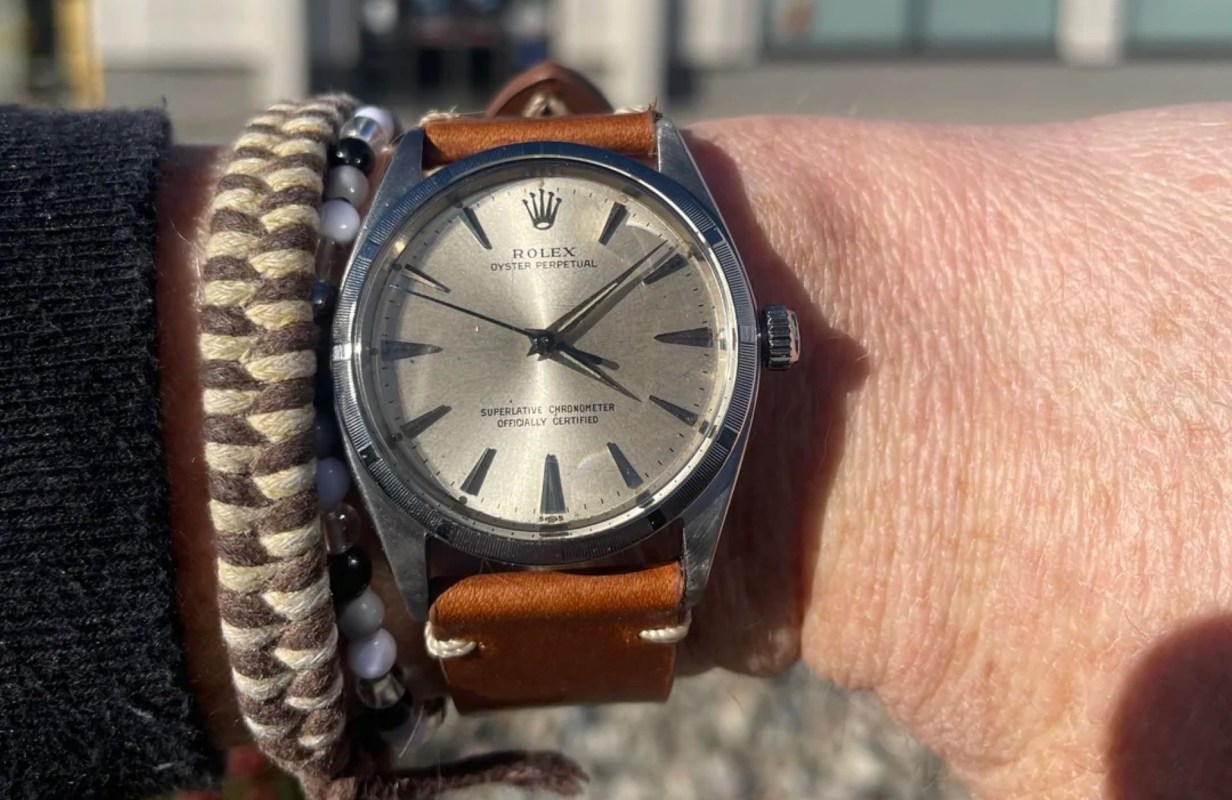
One Redditor proved as much after posting a picture of a Rolex Oyster Perpetual 1003 they found while rummaging through the items. "Here's hoping it's real," the Redditor titled the original post.
Although it wasn't working when they found it, a trip to the repair shop was all that was needed to get the luxury watch ticking like new.
"I thrifted this watch a few months back and it's finally back from service," the Redditor captioned the follow-up post. "Barring a new crystal and mainspring, this beauty runs like a dream!"
And the discovery led to plenty of jealousy and admiration in the comment section.
"How does it feel to live my dream???" one user said.
TCD Picks » Quince Spotlight
💡These best-sellers from Quince deliver affordable, sustainable luxury for all




"I love it so retro," said another.
"Stunning piece and find!" read another comment.
The lucky Rolex locator noted the repair job cost around $600, and one user suggested this particular watch can sell for as much as $4,000.
In addition to bagging a bargain or two, shopping in thrift stores can be a great way to help the environment.
The fashion industry is one of the world's biggest polluters, with Columbia Climate School's State of the Planet reporting it is responsible for 10% of the world's human-caused pollution.
Citing data from the MacArthur Foundation study, State of the Planet said the industry produces over 1 million tons of carbon pollution annually.
It also noted fashion is a significant drain on water supply, consuming over 100 billion tons of clean water every year.
Meanwhile, according to the reporting, the dying process to color clothing items is responsible for 17% to 20% of global industrial water pollution because of the toxic chemicals it requires.
And that's not to mention its impact on habitat loss, with 70 million trees cut down a year for the production of fabrics like rayon and viscose.
So, reusing unwanted garments and accessories is not only an affordable way to stay stylish, but it can also prevent planet-harming pollution that leads to global heating, the pollution of water sources, and biodiversity loss.

Join our free newsletter for easy tips to save more, waste less, and help yourself while helping the planet.






