


One issue that plagues any food service business is food waste.
Whether it's ingredients that go unused, finished food that never makes its way to a customer, or excessive scraps left from customer meals, food service establishments throw out pounds and pounds of food that could have been used to feed people.
Hospitals are no exception, as one dishwasher on Reddit just illustrated.
🗣️ If you compost your food scraps, what's your primary motivation?
🔘 Improving my garden's soil 🌱
🔘 Saving money on fertilizer 💰
🔘 Helping the planet 🌎
🔘 I don't compost 🚫
🗳️ Click your choice to see results and speak your mind
What happened?
The Redditor shared their story on r/mildlyinfuriating with a pair of photos as proof.
"The amount being thrown away here is enough to feed 680+ people, just for the dinner alone," they wrote.
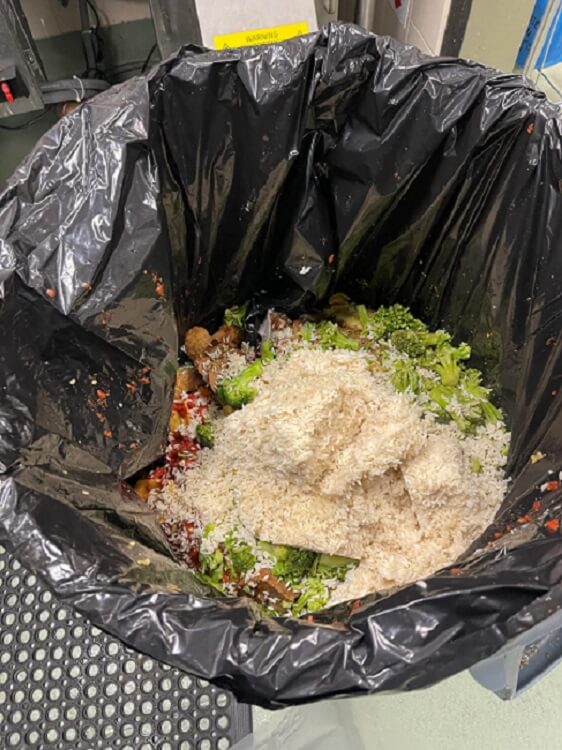
Their first photo shows a huge commercial trash can half full of rice, broccoli, and other food. Judging by how the different types of food are separated, it looks like they were dumped directly from large serving dishes into the trash without ever seeing an individual plate.
TCD Picks » Quince Spotlight
💡These best-sellers from Quince deliver affordable, sustainable luxury for all




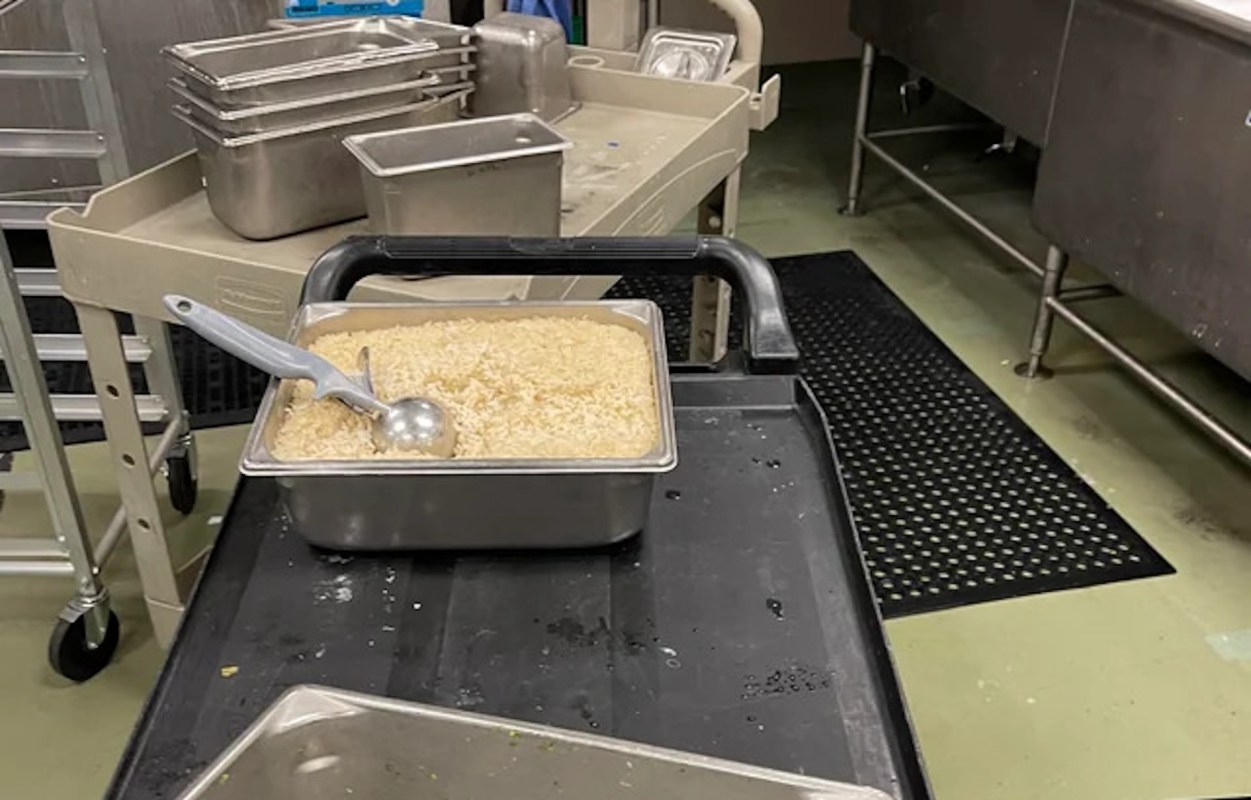
The second photo shows the serving dishes, big enough to hold gallons of liquid. One is still full of rice, with a scoop stuck in it; the other had recently been emptied and clearly held broccoli.
"All in all, the place [throws] out enough food to feed 680+ people (breakfast, lunch, dinner, and desserts) every single day," said the Redditor.
Why does food waste matter?
Our World In Data estimates that 25-30% of the heat-trapping air pollution created by humans comes from the food supply chain. That means food is one of the big reasons the world is heating up.
Obviously, people need to eat, so a lot of that growing, shipping, and processing is necessary. But food waste means that all of the energy and resources that went into that food item — and all of the pollution that it caused — were for nothing. It will just need to be replaced by another item.
Food waste drives up costs for consumers, uses up valuable resources, and increases the pollution from our food supply chain.
Why would hospitals keep wasting food like this?
Some commenters suggested the hospital could donate the extra food it couldn't use, but that started a war in the comments section.
"With all the frivolous lawsuits these days, if I owned a restaurant you couldn't pay me to donate food," said one user. "Everyone wants to get rich quick and they'll do it at your expense."
"Most places have laws limiting liability for people donating as long as it's done in good faith and not for profit," countered another commenter.
The hospital that tossed this food wasn't named in the post, so it's unclear what policy led to the waste, as there are guidelines meant to ensure products are safe to eat. It's fair to wonder if more could've been done, though.
The Good Samaritan Food Donation Act provides certain protections for businesses that donate food — something that Kroger and Trader Joe's have both done in the past to prevent items from going bad.
What can I do to reduce food waste?
Even when donating isn't an option, composting is. Composting allows you to "recycle" food into high-quality fertilizer that you can use to grow more food.
You can also support establishments that do their best to minimize food waste. For instance, there's one pizzeria in Detroit that's saving money and protecting the environment by carefully controlling its menu to waste as little as possible.
Join our free newsletter for easy tips to save more, waste less, and help yourself while helping the planet.






