


For economical shoppers, secondhand stores are king. Consumers can find goods from clothing to furniture at reduced prices, adding unique pieces to their personal catalog.
Corporate greed, however, has been a wet towel on the thrifting experience. Several thrift stores, for-profit and non-profit alike, have marked up their prices.
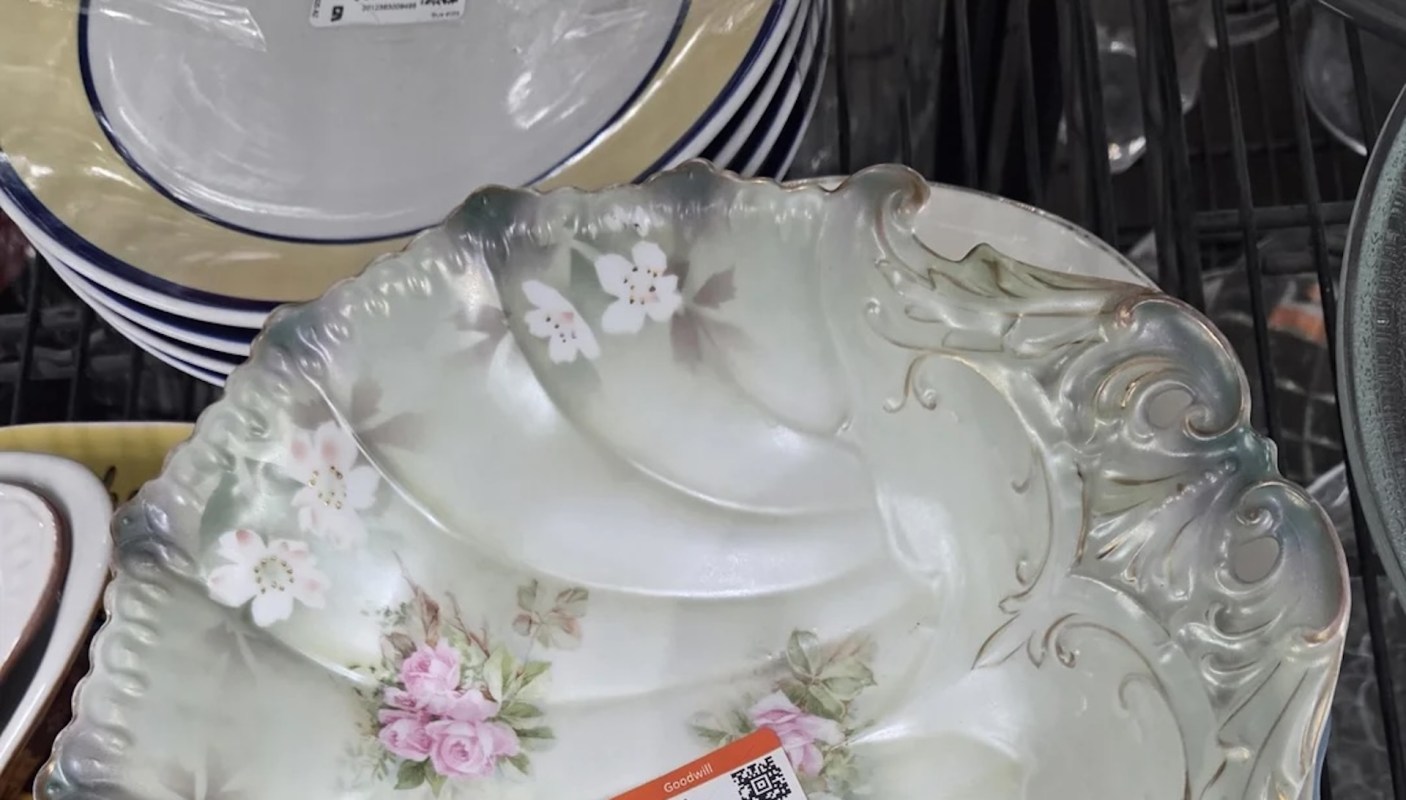
One shopper made a sarcastic Reddit post exposing a costly price tag on a damaged dish.

In light of the photograph, viewers behold a large, dusty, floral dish. On one side, an obvious chip devalues the used piece, and yet, the Goodwill price tag reads: $49.99.
"What a steal," the original poster joked.
In response to an unstable economy and environmental threats caused by manufacturing, PBS said, thrifting is becoming more popular. However, unfair prices for used goods can deter thrift shoppers, new and old, from participating in the movement.
TCD Picks » Quince Spotlight
💡These best-sellers from Quince deliver affordable, sustainable luxury for all




When items, like the broken dish, are overpriced, consumers may turn away from certain thrift stores and find cheaper alternatives elsewhere.
For thrifters of clothing, this can lead to more fast fashion purchases. Fast fashion pieces are overproduced and cheaply made with synthetic fibers, which, according to a Princeton University report, put plastic microfibers directly into the Earth's oceans.
Still, the industry thrives as shoppers look for inexpensive items to decorate themselves with.
According to the Princeton University report, the fashion industry consumes one-tenth of the water used for industrial purposes to run factories and clean products. The products produced, however, often become piles of wasted energy and water.
|
What's your primary motivation in shopping at thrift stores?
Click your choice to see results and speak your mind. |
 Cheaper clothes 🤑
 According to Oxfam, 40% of global clothing items produced annually are never sold. Of this 40%, 11 million tons are sent to landfills. Seven hundred thousand tons are shipped overseas, 2.5 million tons are recycled, and over 3 million tons are incinerated, according to Green America.
The goal of many environmentally motivated thrifters is to keep items out of landfills, as usable clothing, decor, and dishes alike contribute to the issue of overflowing.
When thrift stores overprice their goods, they risk turning consumers off from the items, which can also end up in landfills.
"This will get chucked into the bins, get broken and sent to landfill," one Redditor commented on the original post.
Another took note of the already apparent damage to the dish: "There's a piece broken off the side."

Join our free newsletter for easy tips to save more and waste less, and don't miss this cool list of easy ways to help yourself while helping the planet.






