


Tiny home living has been on the rise and offers homeowners a great deal of creativity with their spaces, but some people still prefer the sterile look of a McMansion.
While McMansions aren't inherently more environmentally destructive than traditional homes, they do come with issues, not the least of which is a lack of creativity in the architecture and interior design.
One Reddit user found a fantastic example of one of these bland houses and posted about it in the r/McMansionHell subreddit.
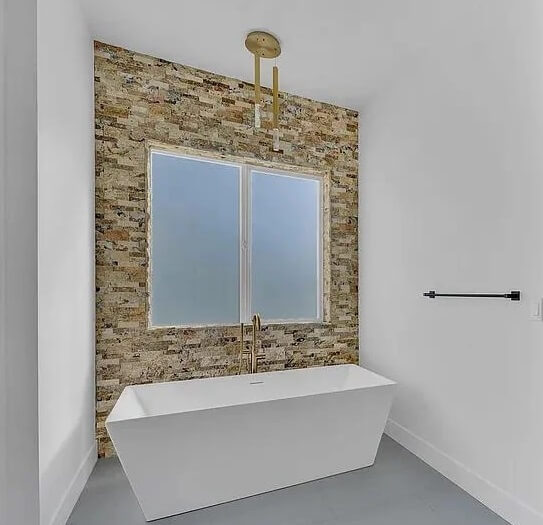
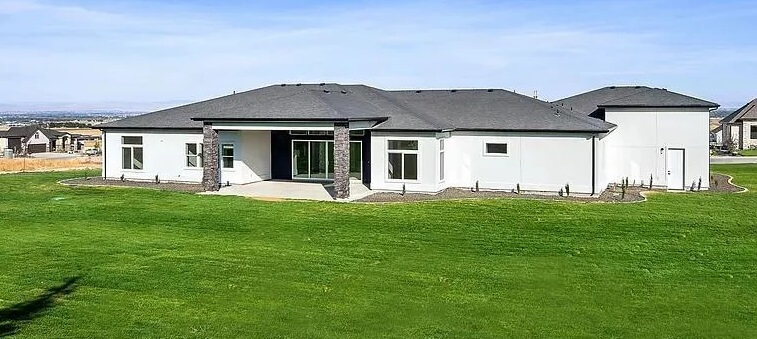
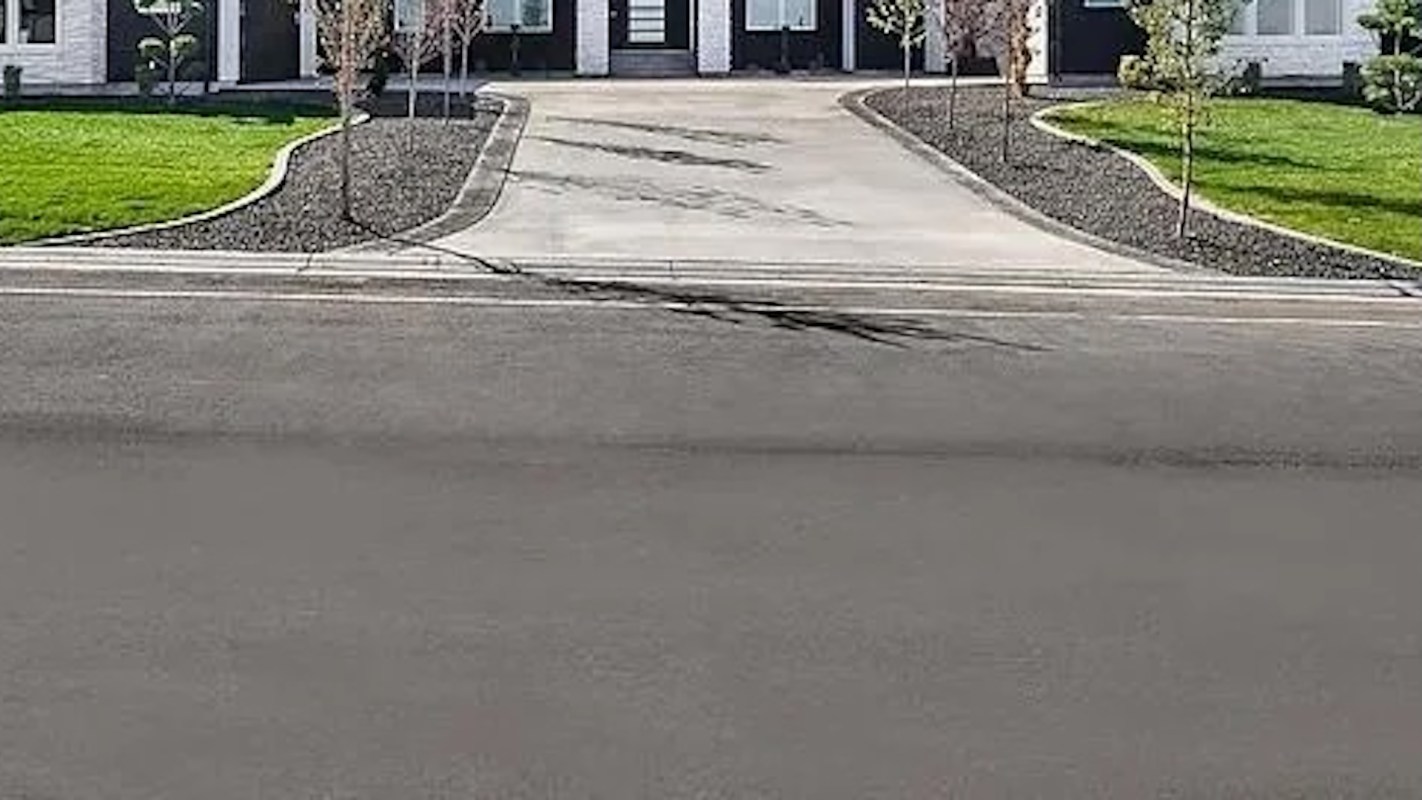
The poster shared several photos of the interior and exterior of a home that resembled a mishmash of black-and-white cuboids stuck together and wrote, "Soulless."
Fellow Redditors chimed in with their distaste for the McMansion's appearance and mocked it.
"Gives me weird 2000s simulation vibe. Like very dystopian anemoia," one person commented.
Another user called it, "a cyberranch for raising electric sheep."
Someone else was focused less on the home's appearance and more on the surrounding environment. They fumed: "It's really gross how they continue to clear-cut massive plots of land and cause environmental issues to build these giant pieces of s***. Hey, let me chop down trees to plant non-native species and smaller trees!"
McMansions and regular mansions tend to sit on large swaths of land with few trees and native plants, which can damage local ecosystems. This land usage is also a waste of natural resources.
The size of these homes also makes them responsible for the overconsumption of construction materials. Plus, the energy needed to heat and cool them is excessive, significantly increasing the pollution the structures produce and leading to a warmer planet as well as more and more severe extreme weather events.
TCD Picks » Quince Spotlight
💡These best-sellers from Quince deliver affordable, sustainable luxury for all




|
What's the most you'd pay per month to put solar panels on your roof if there was no down payment?
Click your choice to see results and speak your mind. |
 $200 or more 💰
 Thankfully, some people and businesses are building with sustainability in mind, using low-impact materials and energy-efficient appliances. Even that doesn't negate the extreme lack of color and personality in the design of these homes, though (or the weird angles and windows in odd places).
Sticking to traditional homes, or better yet, tiny homes, benefits not only homeowners, as they save money on utilities and taxes, but it is far better for the environment, too.

Get TCD's free newsletters for easy tips to save more, waste less, and make smarter choices — and earn up to $5,000 toward clean upgrades in TCD's exclusive Rewards Club.
Cool Picks






