


You can't control your neighbors, and you certainly can't control whether they'll respect your yard.
For a user on the r/GardeningUK subreddit, that reality has become an expensive headache thanks to rapidly spreading bamboo next door.
The homeowner made a post in the subreddit, which has generated buzz in the community as gardeners and homeowners alike weighed in on the ongoing debate around invasive plants and property boundaries.
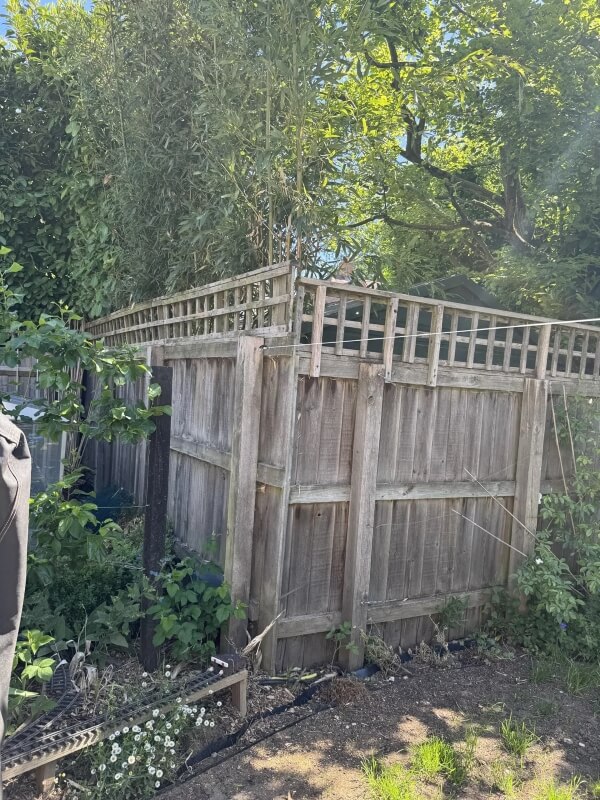
Bamboo is notorious for aggressively spreading underground to areas far beyond where it's planted. According to OP, their neighbor planted the bamboo more than seven years ago and now regrets it. However, they still don't want to go through the trouble of removing it.
"It's starting to damage my garden," OP wrote, adding that the plant's rhizomes had spread several feet into their property.
Even though OP has dug out bamboo from their lawn, reseeded the grass, and installed a barrier on one side, the plant continues to send shoots into other parts of the garden.
OP also explained, "I'm not legally allowed to kill it." But OP is rightfully worried, as their house is just 5 meters away from the plant.
Commenters on Reddit didn't hold back. One wrote, "Letting bamboo spread like that should be illegal like knotweed."
Another advised, "A small increase in your home insurance premiums will cost far less in the long run than continuing to have the problem ignored until the cost of dealing with it balloons."
Awful situations like this highlight the fact that invasive plant species can wreck a local ecosystem. They crowd out native plants, reduce biodiversity, and disrupt habitats for insects and wildlife. And for homeowners, invasive plants can result in costly removal, property damage, and endless maintenance.
TCD Picks » Quince Spotlight
💡These best-sellers from Quince deliver affordable, sustainable luxury for all




|
What's the hardest thing about taking care of your yard? Click your choice to see results and speak your mind. |
 Mowing the lawn 🏡
 Experts recommend landscaping with native plants, as they are lower maintenance, require far less water, and save homeowners time and money.
Native plants also create a healthier environment for pollinators like bees and butterflies, which ultimately benefits humans, since pollinators help protect our food supply.
Eco-friendly, low-maintenance lawn alternatives include native plants, clover, buffalo grass, and xeriscaping. Even replacing part of a traditional lawn can make a big difference.

Get TCD's free newsletters for easy tips to save more, waste less, and make smarter choices — and earn up to $5,000 toward clean upgrades in TCD's exclusive Rewards Club.
Cool Picks






