


One renter's attempt to make their deck cozier sparked an outpouring of concern online — and a surprising lesson in how not to use artificial turf.
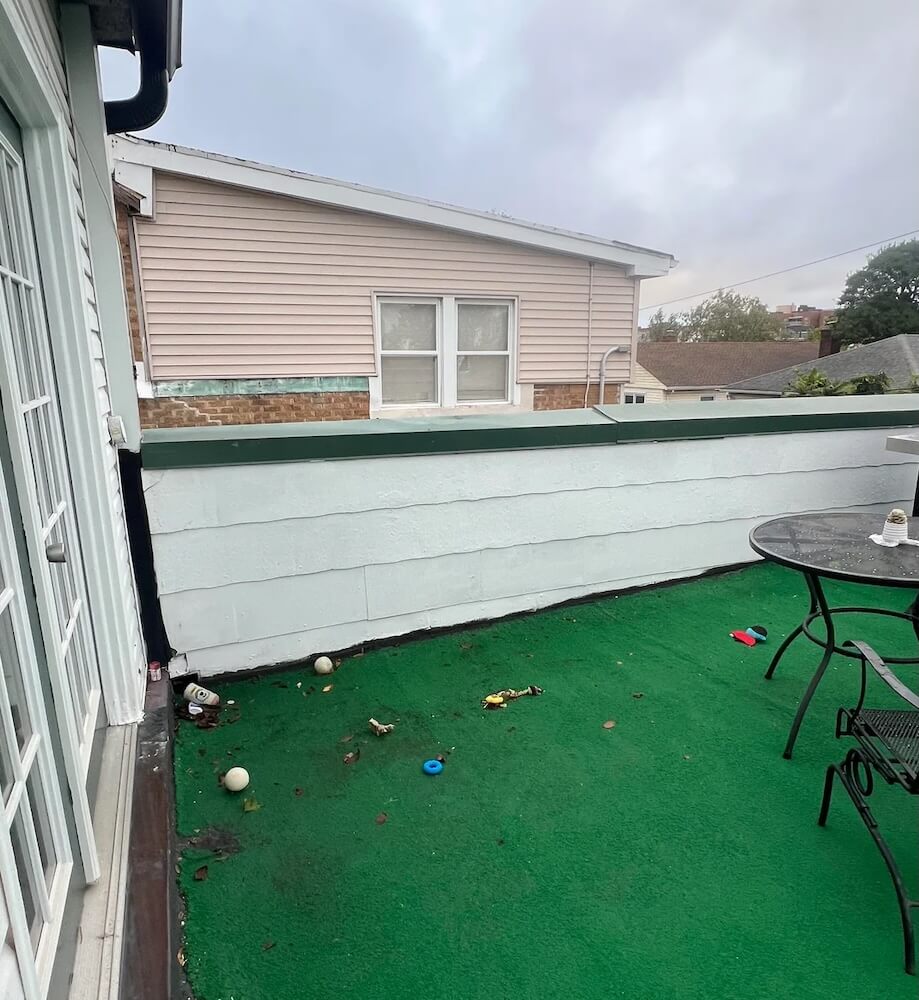
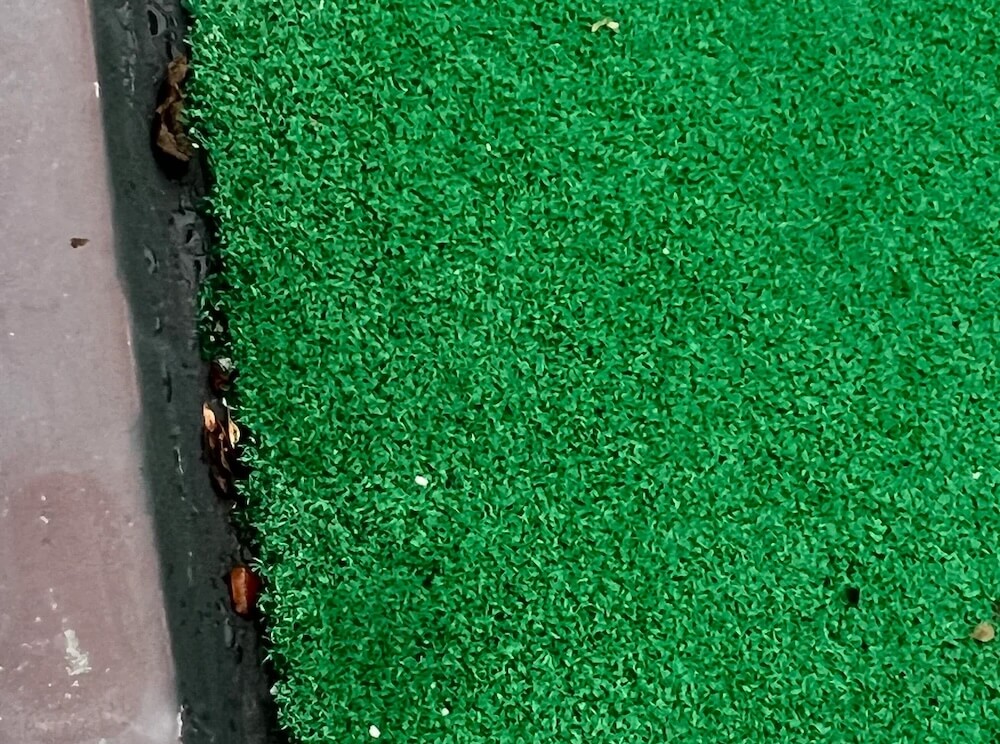
In a post shared to r/landscaping, the renter explained that they live on the second floor of a house in New York and inherited a deck covered in fake grass. "When it rains the turf is super soggy for 2–3 days," they wrote, adding that water tends to pool in the corners where the drainage spouts sit.
Hoping for advice on how to manage the moisture — or make the deck usable through winter — the renter asked if coverings or seasonal upgrades might help.
The responses were immediate — and unanimous.
"Get that [stuff] off today," one commenter warned. Another added, "That's like having a wet sponge sitting on wood 24/7," while others pointed out that the trapped moisture could easily lead to rot, leaks, and structural damage. One user put it bluntly: "OP basically just described a sponge."
Others shared personal experiences, saying they had encountered the same problem. "Our rental had soggy artificial turf on the deck," one person wrote. "I asked our landlord for permission and he was fine with me removing it. We're leaving it bare for fall and winter and will probably get a quick-drying outdoor patio mat in the spring."
The OP noted: "Thanks to everyone who helped and shared their knowledge! I had no idea about the possible rotting underneath."
While artificial turf might seem like a low-maintenance upgrade, it often causes more harm than good — especially on wood surfaces. Turf traps water, sheds microplastics, and contains harmful chemicals known as PFAS ("forever chemicals"), which can leach into the environment over time. It also blocks rain absorption, contributes to the urban heat island effect, and provides no food or habitat for pollinators.
Instead, experts recommend natural and sustainable alternatives like native plant lawns, clover, buffalo grass, xeriscaping, or even partial lawn replacements. These options save homeowners time and money, reduce water bills, and support pollinators that are vital to our food supply.
|
Do you think forever chemicals should be banned from all products? Click your choice to see results and speak your mind. |
 Yes 👍
Yes 👍 
💰Get TCD's free newsletters for easy tips to save more, waste less, and make smarter choices — and earn up to $5,000 toward clean upgrades in TCD's exclusive Rewards Club.
TCD Picks » Upway Spotlight
💡Upway makes it easy to find discounts of up to 60% on premium e-bike brands





Cool Picks






