


April showers might bring May flowers — but the rest of the year, heavy rains can just bring flooding. Fortunately, there's an excellent solution to avoid the potentially disastrous impact of rainstorms: Rain gardens.
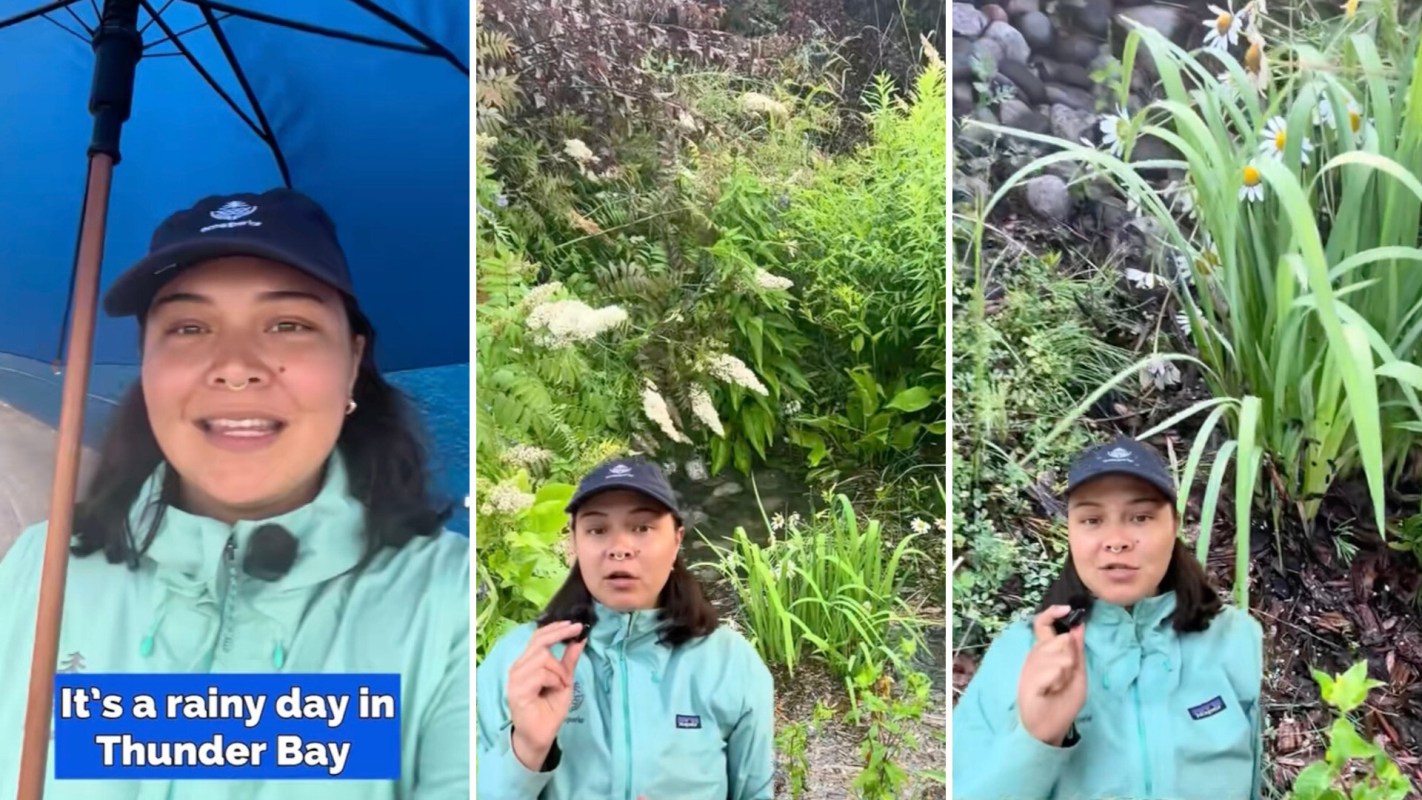
A rain garden is a garden of native plants, including shrubs and perennials, that's set in a depression designed to capture water. And recently, environmental nonprofit EcoSuperior (@ecosuperior) shared a video explaining firsthand the benefits of installing a rain garden.
Their garden catches water from the roof, and when it rains heavily, it fills up high — "up to your mid calf, to be exact," the host says, splashing in the water.
@ecosuperior Homeowners can get up to $625 back for installing a Rain Garden. We still have a few spots left! #thunderbay #tbay #ecofriendly #raingarden #waterconservation ♬ original sound - EcoSuperior 🇨🇦
"Without a rain garden, where would all that water go?" she continues. "It could flood your yard, it could flood the streets. But instead it's soaking into the ground, just as nature intended. And less than 24 hours later, it's completely drained."
Even better, she points out, because mosquitoes only breed in standing water and rain gardens drain quickly, it shouldn't lead to any jump in the pest's population.
Commenters were impressed with the garden. "This is great," one person wrote. "Helps prevent localized flooding and infrastructure damage too and makes it easier on combined sewer systems water treatment."
It's true. Not only do rain gardens save consumers from costly repairs associated with flooding and infrastructure damage, but they also help filter water as it reenters the water cycle through the soil, making the entire ecosystem healthier. They also offer habitat and food for pollinators, including butterflies and birds, the EPA explained.
And if you're installing a rain garden, don't stop there. Rewilding your yard with native and non-invasive plants is an excellent way to create a beautiful, cost-effective, low-maintenance yard. After all, since they've already adapted to thrive in their surroundings, native plants require little water or regular upkeep — saving massively on the time, money, and effort required to mow or maintain a grass lawn.
And even when it hasn't rained, native plant lawns provide excellent food and shelter for local animals and pollinators, which in turn form a healthy foundation for the entire local ecosystem.
|
Would you install water-collecting hydropanels on your home?
Click your choice to see results and speak your mind. |
 Definitely 👍
Join our free newsletter for easy tips to save more and waste less, and don't miss this cool list of easy ways to help yourself while helping the planet.
TCD Picks » Quince Spotlight
💡These best-sellers from Quince deliver affordable, sustainable luxury for all




Cool Picks






